AI Image
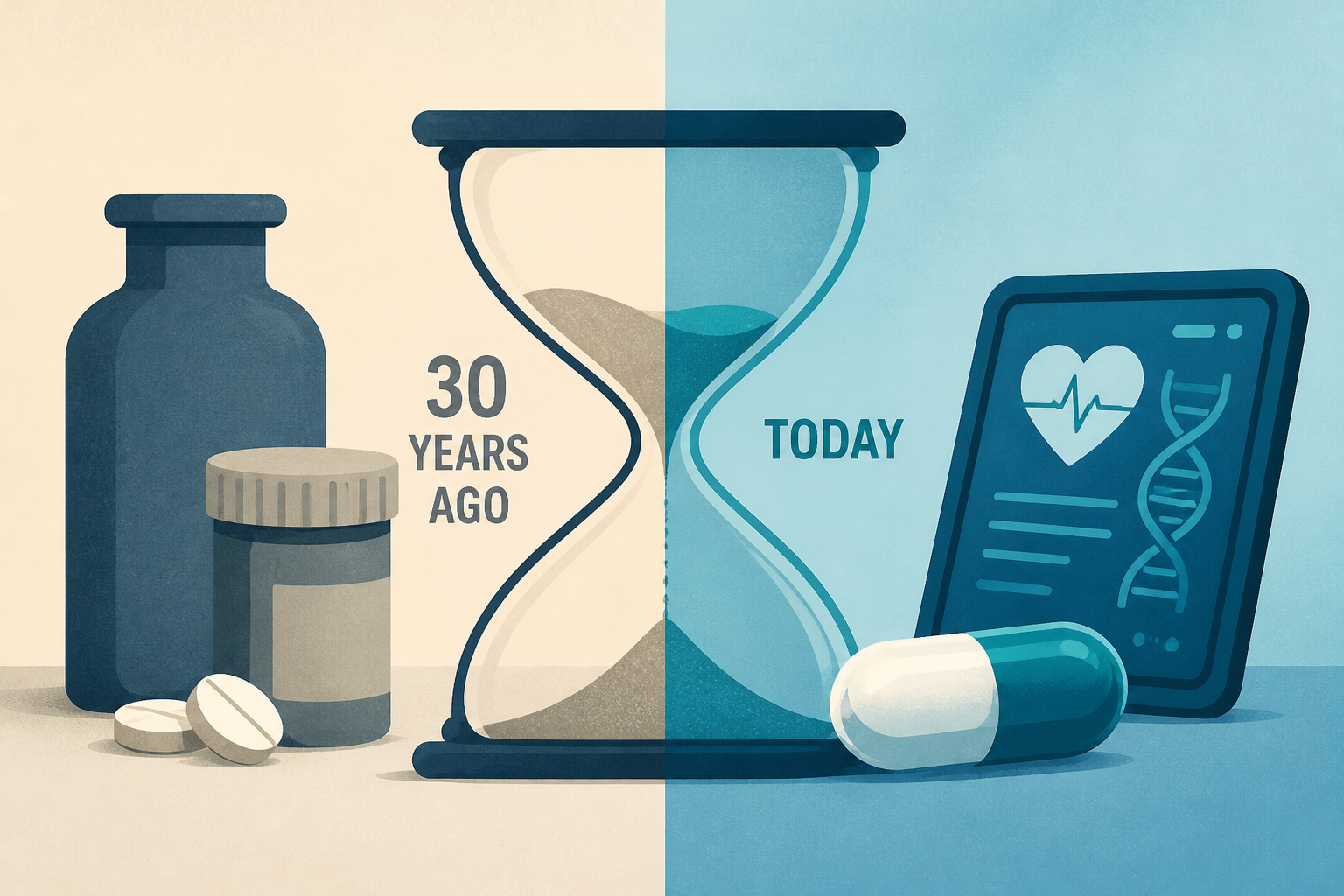
Doctors Reveal How Medicine Has Changed In 30 Years
BuzzFeed • • health
Key Points:
- Older medical practices included widespread prescription of benzodiazepines for elderly patients, leading to addiction issues that are now difficult to resolve.
- Pain management protocols have drastically changed; previously, patients with severe pain, such as appendicitis, were often denied pain medication to avoid masking symptoms.
- Historical medical misconceptions included beliefs that girls do not get ADHD, black people feel less pain, and that babies do not experience pain during surgery, leading to inadequate care.
- Many outdated procedures, such as routine episiotomies without patient knowledge, prolonged bed rest, and use of harmful substances like hydrogen peroxide for wound cleaning, have been abandoned.
- Advances in diagnostic imaging and patient supervision have improved care, but some practitioners worry that reliance on technology may be diminishing thorough clinical examination skills.


