AI Generated Image
Everyone Wants a Paramount Settlement. Look Under the Hood
The Hollywood Reporter • • business
Key Points:
- Twelve state attorneys general, industry unions, and theater owners agree on preferring a settlement in the Paramount–Warner Bros. Discovery merger case to avoid prolonged uncertainty harming production and jobs.
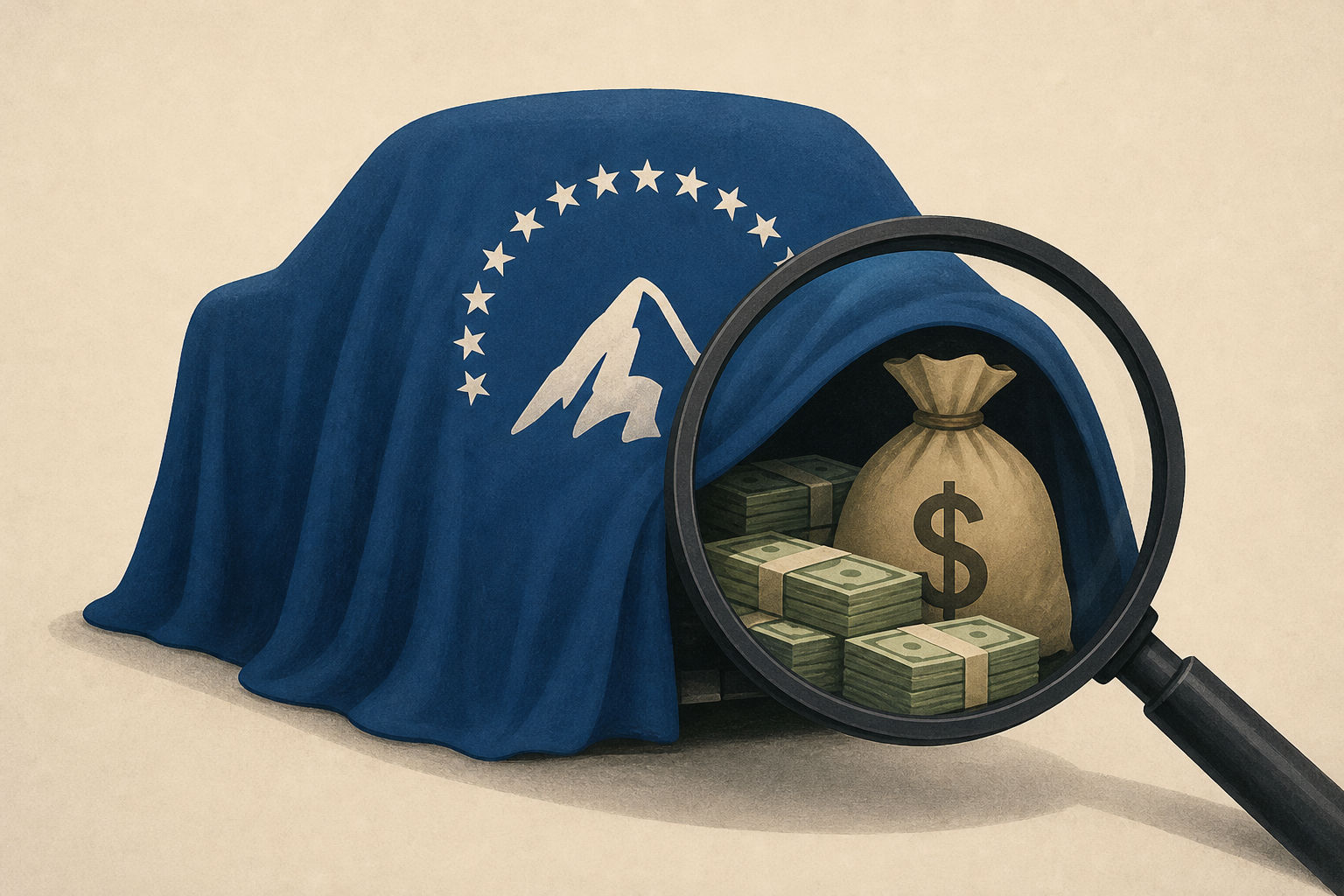
- The core challenge to settlement lies in the financial structure: the combined company would carry over $80 billion in debt and must achieve $6 billion in cost synergies, yet proposed protections for theatrical output and employment would limit those savings.
- Commitments like releasing at least 30 theatrical films annually are insufficient protections since the two studios already plan more than 30 films independently, meaning the merger could reduce output while still meeting promises.
- Paramount’s streaming ambitions to compete with Netflix and Disney require massive content spending ($20 billion+ annually), but heavy debt servicing and synergy demands raise doubts about the company’s capacity to fund content, theatrical production, and job protections simultaneously.
- A meaningful settlement would require enforceable, financially backed guarantees with independent oversight, but such protections would alter the deal’s economics, explaining the difficulty in reaching an agreement despite widespread desire for resolution.


