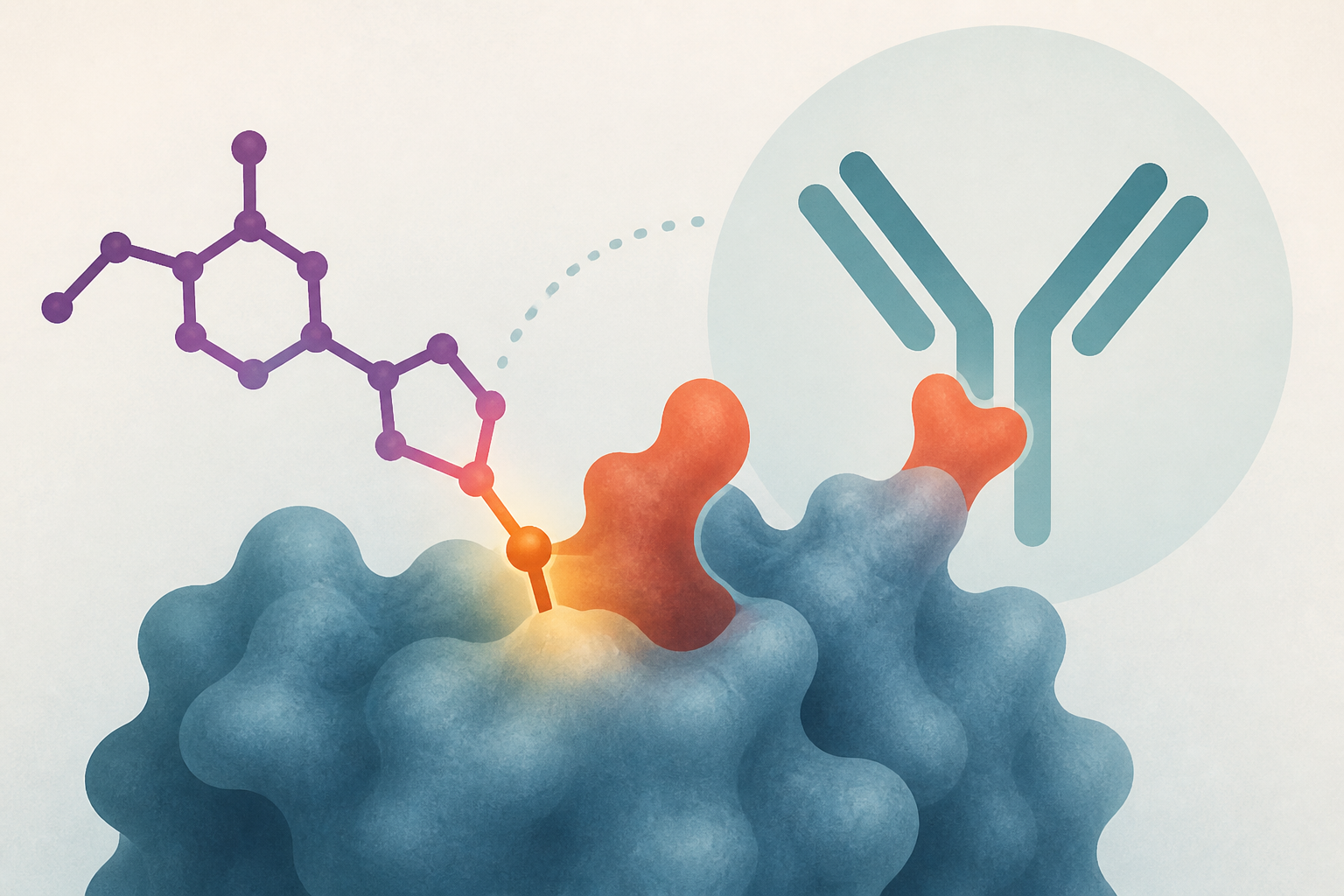
AI Generated Image
Expanding the repertoire of chemically induced covalent neoantigens
Nature • • science
Key Points:
- Recent advances in immunopeptidomics and chemoproteomics have enhanced understanding of MHC class I and II antigen presentation, including the role of proteasomes and post-translational modifications in shaping the antigenic landscape.
- Drug haptenation, particularly involving cysteine residues, is critical in drug allergy development and cancer immunotherapy, with studies demonstrating how covalent inhibitors of KRAS(G12C) generate neoantigens targetable by immune responses.
- Innovations in mass spectrometry and computational tools like NetMHCpan and T-Scan have improved identification and prediction of MHC-bound peptides and T cell epitopes, facilitating personalized immunotherapy strategies.
- The mapping of reactive cysteines and lysines across the human proteome has enabled targeted covalent ligand discovery, advancing drug development and providing insights into immune modulation by electrophile stress.
- Fc receptors and antibody-dependent mechanisms remain key in antiviral and cancer immune responses, with ongoing research exploring their therapeutic targeting and implications for B-cell lymphoma and melanoma immunomodulation.


