AI Image
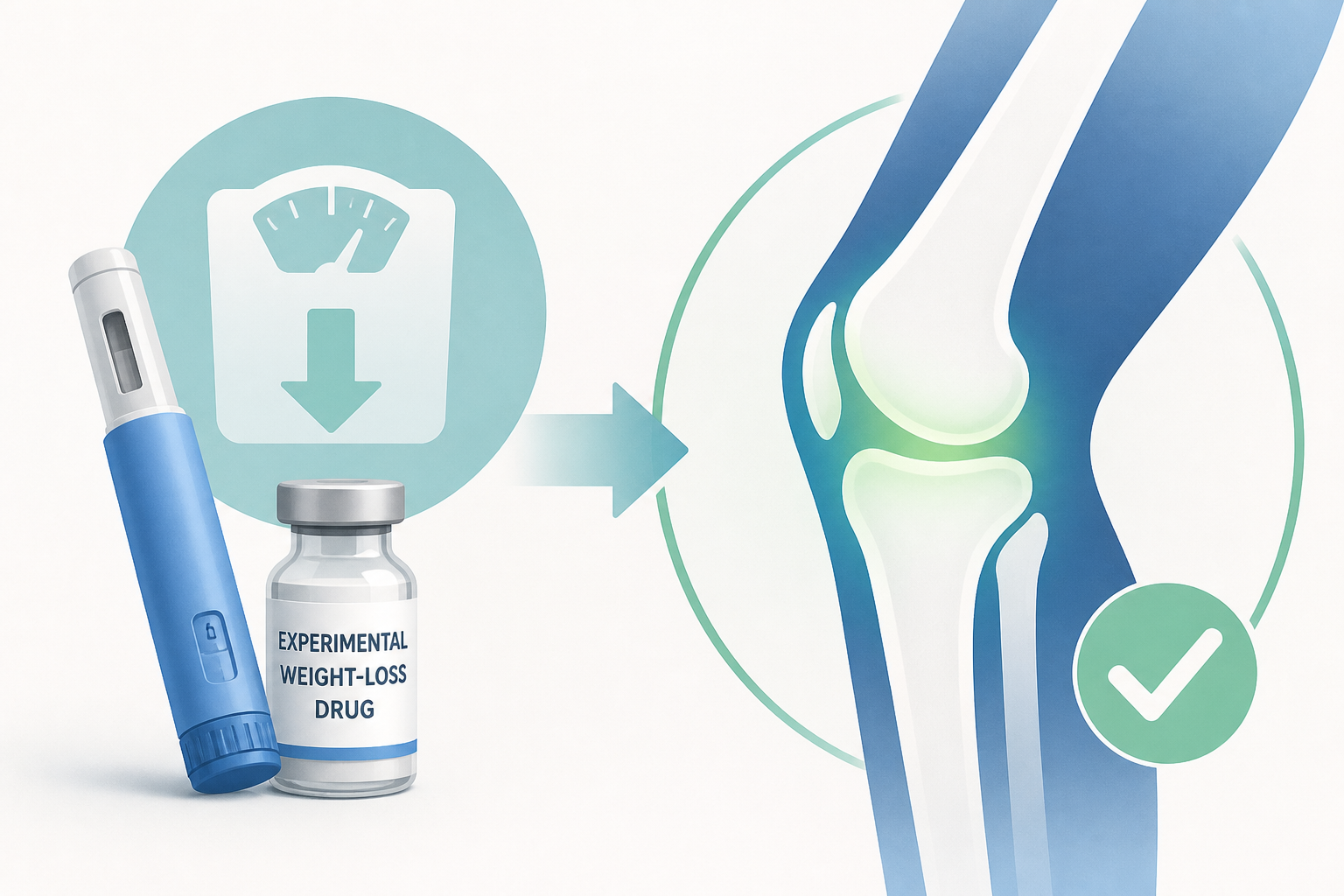
Experimental weight-loss drug eases painful knee osteoarthritis in two clinical trials
Medical Xpress • • health
Key Points:
- Two Phase III clinical trials led by Northwestern University found that the experimental weight-loss drug retatrutide helped overweight or obese people with knee osteoarthritis (OA) lose about 25% of their body weight on average and significantly reduce knee pain.
- About two-thirds of participants receiving the highest dose of retatrutide experienced at least a 50% reduction in knee pain compared to 38% in the placebo group, alongside additional benefits like lower blood pressure, improved lipid levels, and reduced systemic inflammation.
- Retatrutide, a once-weekly injectable developed by Eli Lilly, activates three hormone receptors and led to greater weight loss (20%-25%) than current GLP-1 drugs, which typically result in 10%-20% weight loss; some participants lost up to 100 pounds.
- While diet and exercise remain the recommended first-line treatments for knee OA, retatrutide may offer a new option for patients unable to lose sufficient weight or manage pain, pending FDA approval.
- Key questions remain regarding whether retatrutide can slow OA progression to reduce the need for knee replacement and if it benefits non-overweight individuals with knee OA, with further research needed to understand its anti-inflammatory effects.


