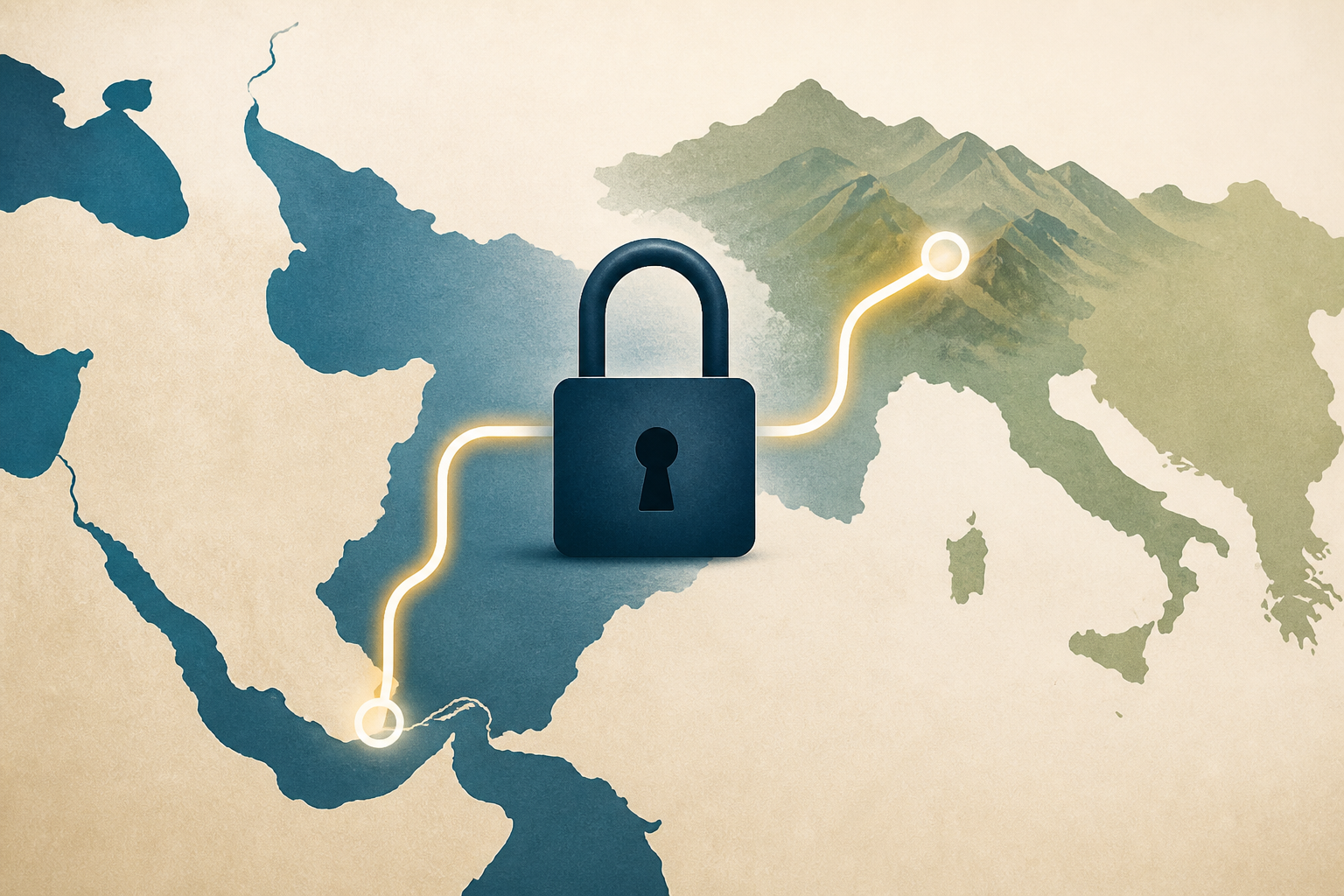
AI Generated Image
From Hormuz to the Caucasus: The New Geography of Energy Security
War on the Rocks • • world
Key Points:
- The Strait of Hormuz remains a critical chokepoint for global energy, carrying about 20 million barrels of oil daily and one-fifth of traded liquefied natural gas, mostly destined for Asia, making it irreplaceable despite ongoing efforts to diversify energy routes.
- Western governments are pursuing a dual approach: maintaining military presence in the Persian Gulf to secure Hormuz while developing alternative pipelines and transit corridors through the Caspian Basin and South Caucasus to reduce reliance on single chokepoints.
- Existing alternative routes, such as the Baku-Tbilisi-Ceyhan pipeline and Southern Gas Corridor, provide limited volume compared to Hormuz and primarily serve European markets; major expansions and new corridors like the proposed "Trump Route" remain uncertain and politically complex.
- Turkey benefits strategically as a key transit state for Caspian energy routes, enhancing its geopolitical leverage over Europe, the U.S., Russia, and Iran, while land corridors face vulnerabilities to sabotage and geopolitical risks that differ from maritime chokepoints.
- Iran remains a pivotal but increasingly isolated actor, excluded from Western-backed corridors but integrated into Russian-led networks, losing transit revenue and economic leverage while retaining the ability to threaten Hormuz, underscoring the paradox of its strategic position.


