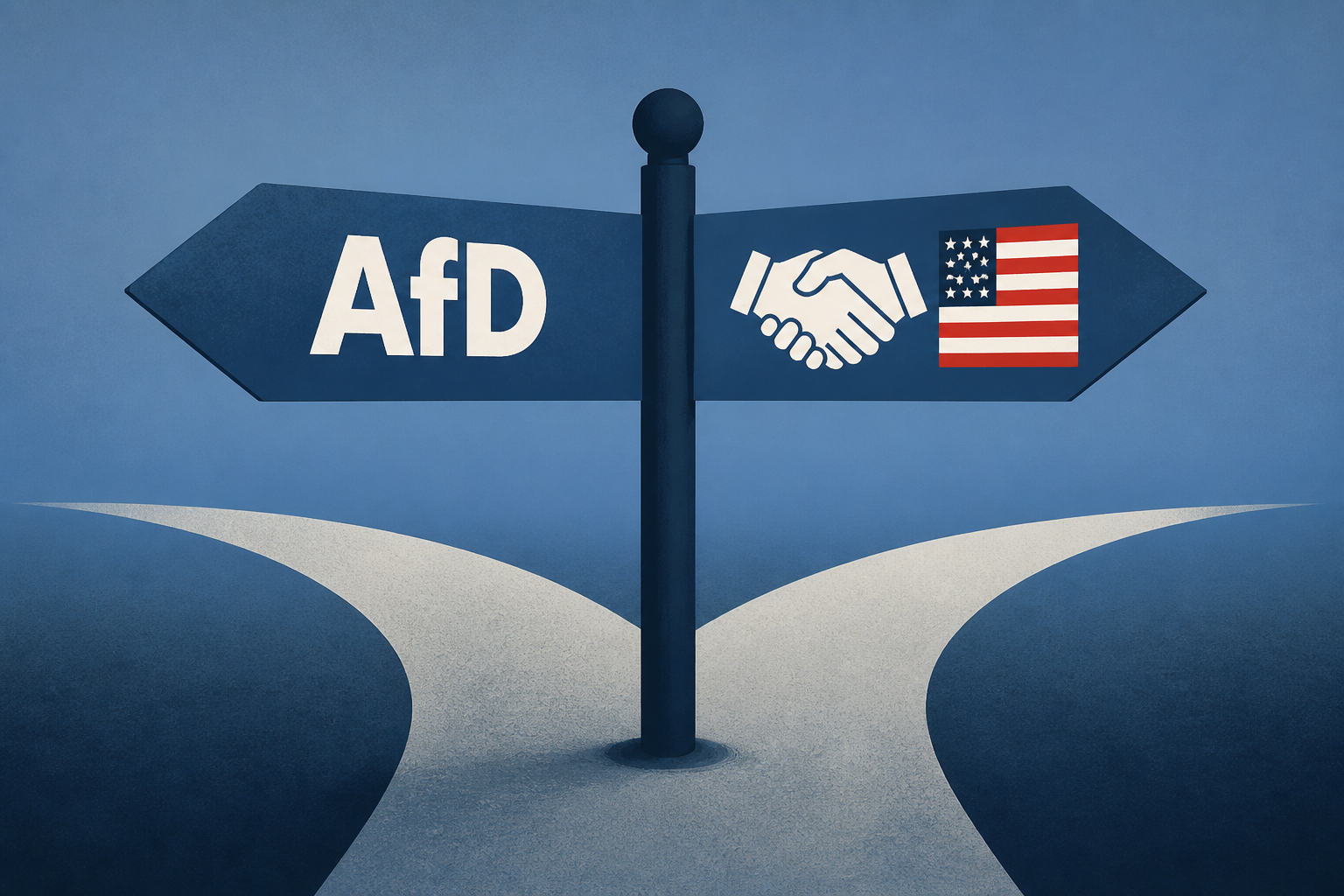
AI Generated Image
Germany’s far-right AfD is poised for power - and split on whether to cozy up to Trump
cnn.com • • world
Key Points:
- The Alternative for Germany (AfD) party is leading polls with 42% support ahead of Saxony-Anhalt state elections, potentially becoming the first far-right party to govern a German state since World War II.
- The AfD is classified as extremist by German intelligence due to its anti-Muslim and anti-immigration rhetoric, and mainstream parties have a "firewall" policy to avoid coalitions with it, which could block the AfD from power without an outright majority.
- The AfD has cultivated ties with the U.S. MAGA movement, sharing nationalist and anti-immigration rhetoric, with party leaders engaging with figures like JD Vance and Elon Musk, though some AfD factions are distancing themselves due to unpopular U.S. foreign policies.
- The party supports closer relations with Russia and opposes aid to Ukraine, reflecting historical ties in eastern Germany, and if elected, it is expected to push conservative cultural policies such as restricting LGBTQ+ rights and altering school curricula.
- A win in Saxony-Anhalt would give the AfD symbolic national influence through the Bundesrat, signaling its growing presence in German politics despite the party still facing significant opposition and potential coalition exclusion.


