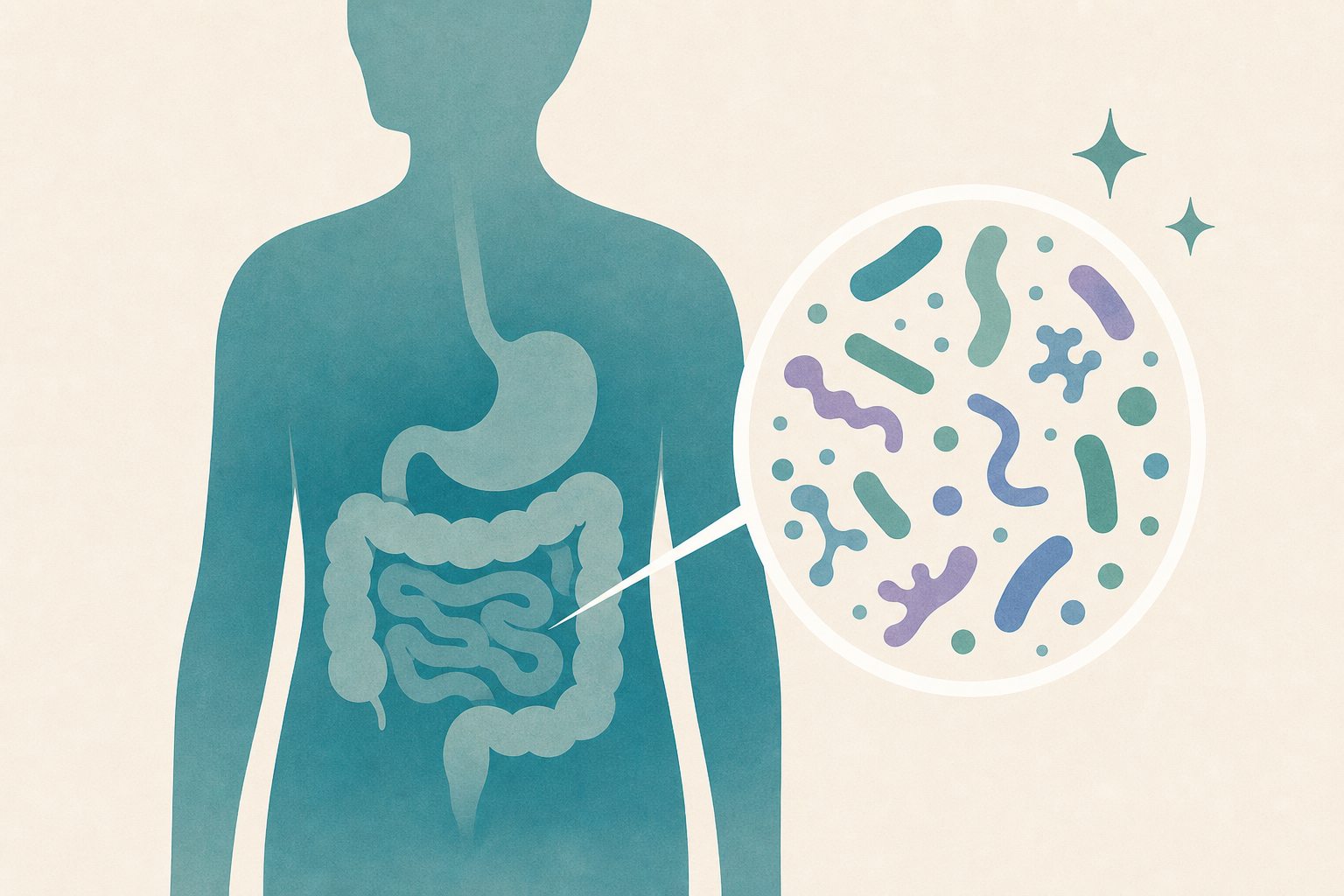
AI Generated Image
Gut microbiome of world's oldest person stuns scientists
Sacramento Bee • • health
Key Points:
- María Branyas Morera, who died at 117 in 2024, became the most thoroughly studied supercentenarian, with researchers analyzing her genome, proteome, epigenome, metabolome, and microbiome.
- Her gut microbiome resembled that of a much younger person, with Bifidobacterium making up about half of it—five times more than typical older adults—challenging assumptions about aging and gut health.
- Despite her extreme age, DNA methylation clocks indicated her biological age was 17 to 23 years younger, revealing a duality of aging markers that suggest long life and good health are not mutually exclusive.
- While María consumed three yogurts daily, scientists caution that her longevity likely resulted from a combination of factors including a Mediterranean diet, physical activity, social engagement, good sleep, and no tobacco or alcohol use, rather than yogurt alone.
- The study highlights the gut’s role in aging but underscores that genetics, particularly rare protective gene variants, play a crucial role in extreme longevity, and lifestyle changes alone cannot replicate María’s unique genetic profile.


![Apple releases iOS 26.6 beta 2 for iPhone, here’s what to expect [U]](https://media-cdn.cashwalklabs.io/https%3A%2F%2Fs3.us-west-2.amazonaws.com%2Fimages.cashwalklabs.io%2F0_admin%2Fnews-ai-images%2F019ed1d3-3248-75fa-8981-d1d7b9ca82b6.webp?format=webp&w=120&h=80)


