AI Image
How an mRNA vaccine helped one woman with pancreatic cancer : NPR
NPR • • health
Key Points:
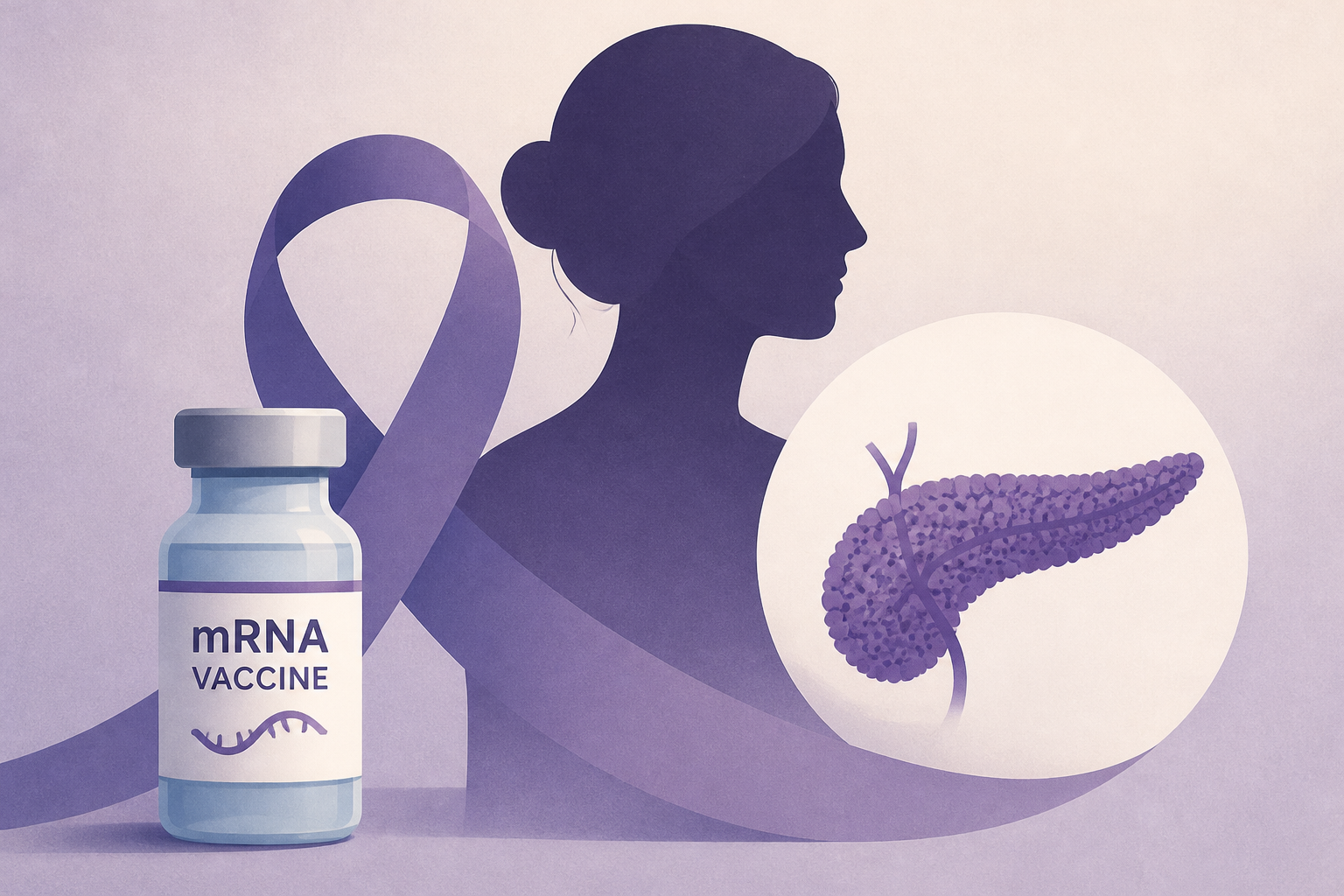
- Donna Gustafson, a 72-year-old retired accountant, is thriving seven years after becoming the first recipient of a personalized mRNA vaccine for Stage II pancreatic cancer, a disease typically with poor survival rates.
- The vaccine, developed using Gustafson's tumor samples, reprograms her immune system to target cancer cells, resulting in a durable immune response and minimal side effects compared to traditional chemotherapy.
- The clinical trial at Memorial Sloan Kettering Cancer Center showed the vaccine was effective in half of the 16 pancreatic cancer patients treated, with seven of those eight still alive years later.
- This success adds momentum to mRNA cancer vaccine research, which is expanding to other cancers such as skin, lung, kidney, bladder, and brain cancers, supported by advances in genomics and AI.
- Researchers and institutions like the National Cancer Institute are collaborating with private companies to accelerate development and production of personalized mRNA cancer vaccines, offering new hope for patients with historically lethal cancers.


