AI Generated Image
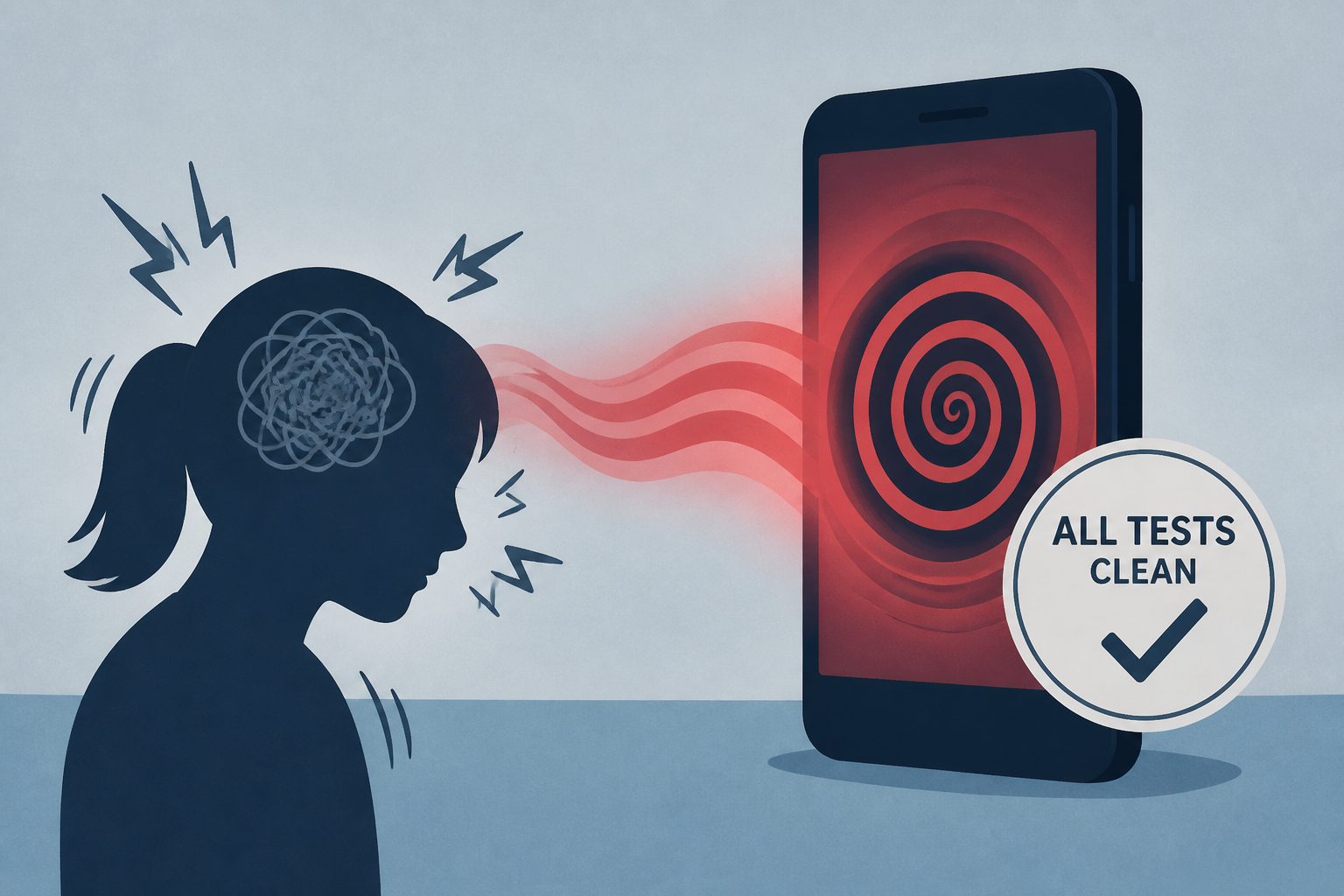
In 2021, thousands of teenagers suddenly developed the same violent tics, every medical test came back clean, and the real cause turned out to be hiding on their phones.
Space Daily • • health
Key Points:
- In 2020-2021, neurology clinics in multiple countries observed a sudden increase in teenage girls presenting with abrupt-onset motor and vocal tics resembling severe Tourette syndrome, but with unusual patterns and identical symptoms among patients.
- Dr. Kirsten Müller-Vahl and her team identified this as a mass sociogenic illness spread via social media, linked to teenagers watching popular Tourette influencers on platforms like TikTok and YouTube, leading to shared tic symptoms without organic neurological causes.
- The outbreak differs from historical mass sociogenic illnesses by spreading through virtual connections rather than physical proximity, highlighting the role of social media algorithms in creating isolated yet socially connected groups vulnerable to shared psychological symptoms.
- Research indicates these tic-like symptoms often appeared in teenagers with pre-existing anxiety or depression worsened by the pandemic, with social media communities providing a sense of belonging and validation, complicating treatment beyond simply reducing screen time.
- Most affected individuals improved with psychiatric care, family support, and gradual reduction of social media exposure, underscoring the complex interaction between mental health, social media use, and adolescent development during the pandemic.


