AI Image
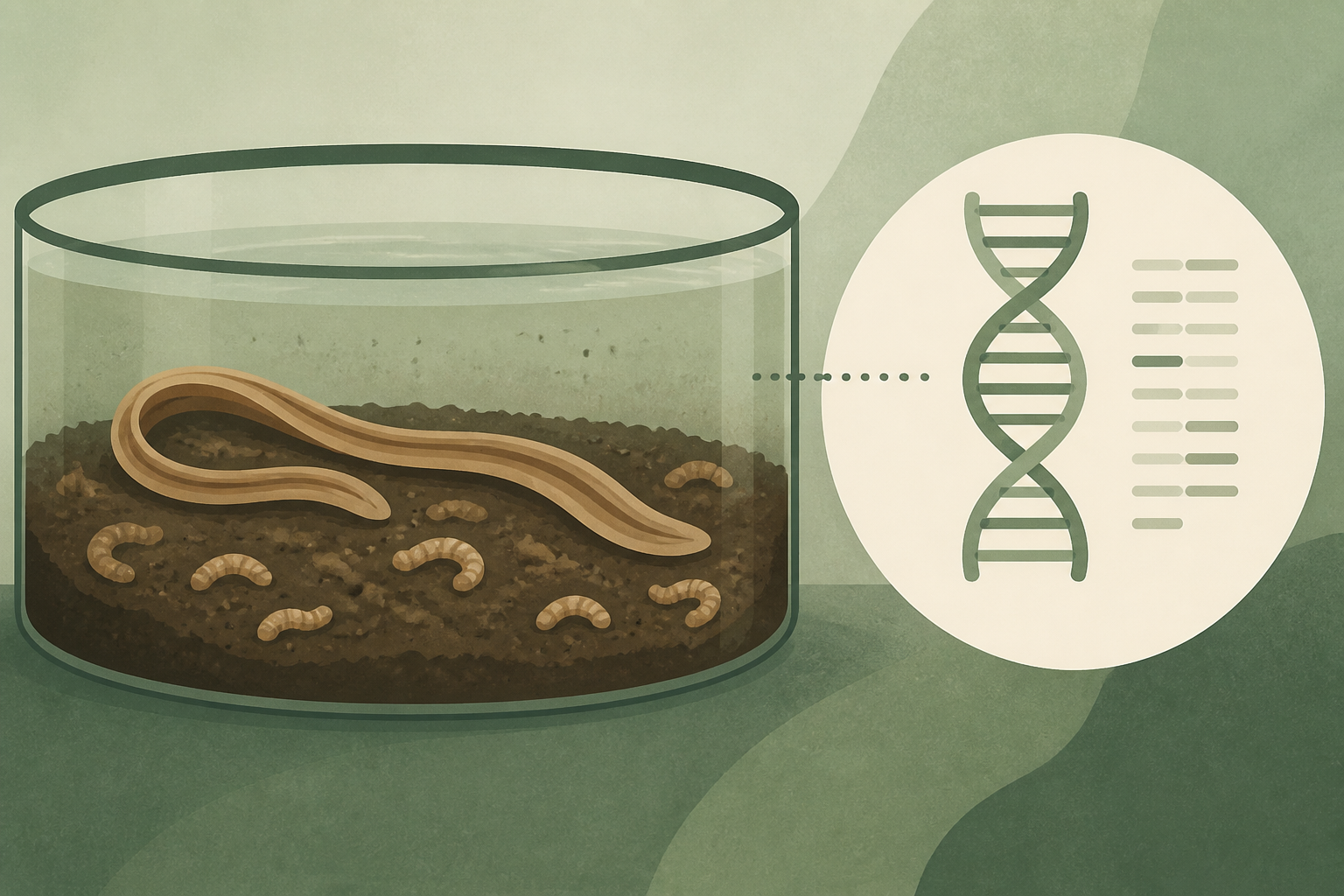
In a William & Mary lab tank, a ribbon worm named Baseodiscus the Eldest has been quietly eating peanut worms in the mud for more than 20 years, and genetic analysis in 2024 confirmed his species whil
Space Daily • • science
Key Points:
- A ribbon worm named Baseodiscus the Eldest (B), kept in captivity at William & Mary since 2005, has been genetically identified as Baseodiscus punnetti and is estimated to be at least 27 years old, making it the oldest ribbon worm on record by over two decades.
- Ribbon worms are typically known for their extreme lengths rather than longevity, and B’s age challenges previous assumptions, as the only other documented nemertean lifespan was around three years.
- The worm’s age was determined through captivity records rather than molecular aging techniques, highlighting the difficulty of aging soft-bodied invertebrates lacking hard structures.
- This discovery suggests that ribbon worms may have much longer lifespans than previously thought, which has significant implications for understanding their ecological roles as persistent benthic predators in marine ecosystems.
- B remains alive and well in the lab tank, continuing to feed on peanut worms, and his longevity provides a unique opportunity for future research on aging and marine biology.


