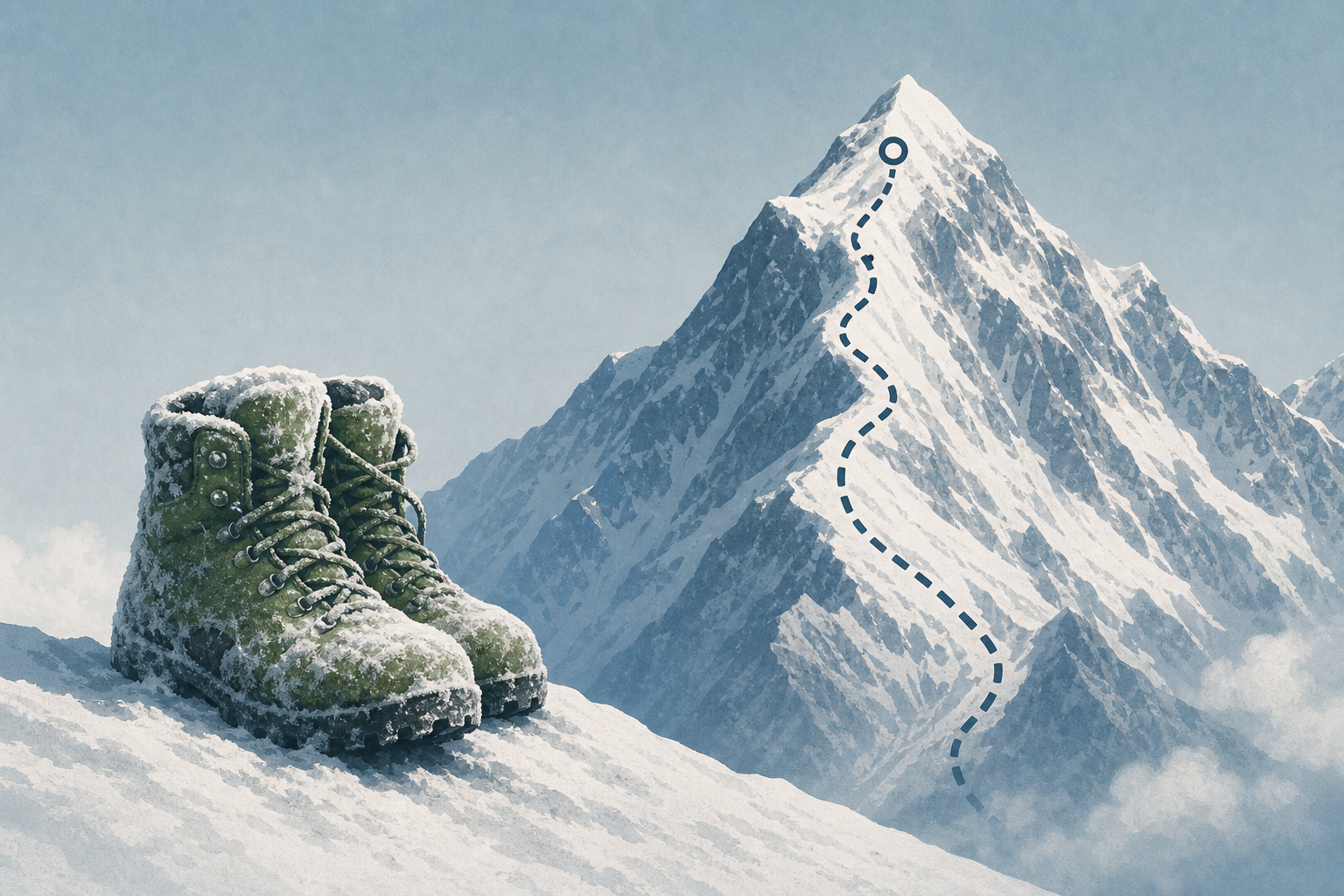
AI Generated Image
India eyes "high risk" Mount Everest mission to recover frozen body of climber "Green Boots" after 30 years
CBS News • • world
Key Points:
- Indian authorities, through the Indo-Tibetan Border Police (ITBP), plan to launch a challenging recovery operation to retrieve the frozen body of a climber known as "Green Boots" from Mount Everest's northern slope, aiming to bring the remains to Delhi by October.
- The operation is considered highly risky due to Everest's extreme altitude and weather conditions, with experts suggesting a specialized 10-person team may need up to a week for the recovery, likely only feasible in spring rather than the proposed June-October timeframe.
- "Green Boots," located at about 27,000 feet in Everest's death zone, has been a grim landmark for climbers for decades and was long believed to be Tsewang Paljor, an ITBP member who died in the 1996 Everest disaster; however, recent DNA evidence identifies the body as Indian soldier Dorje Morup.
- Over 200 bodies remain on Everest due to the dangers and costs of recovery, sparking ongoing debate in the mountaineering community about the balance between respecting the dead and the risks to living climbers, with some favoring recovery missions to provide closure for families.
- Experienced Sherpa climber Tshiring Jangbu Sherpa emphasizes the importance of bringing deceased climbers down from Everest, advocating for recovery efforts despite the inherent dangers involved.


