Iran fires on Israel and Gulf neighbors as Trump claims threat from Tehran nearly eliminated
PBS • • general
Key Points:
- The U.S. and Israel initiated strikes on Iran on February 28, leading to a significant reduction in traffic through the Strait of Hormuz, a critical waterway for 20% of global traded oil; since March 1, traffic has dropped 94% compared to last year.
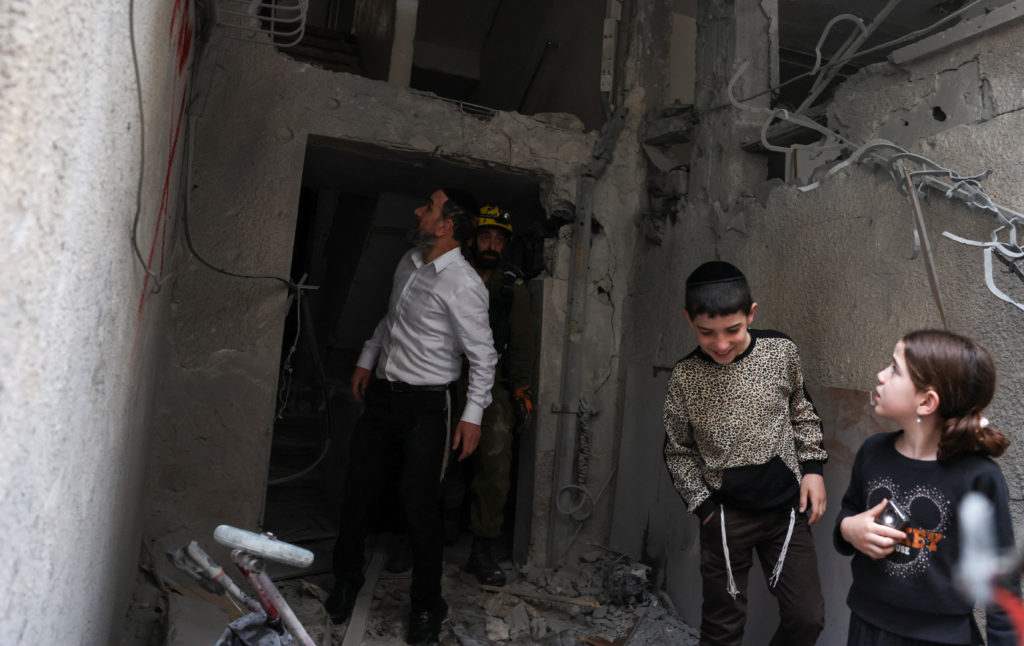
- Iran continues missile attacks on Israel and Gulf countries despite U.S. claims of decisive military action, with ongoing strikes reported in multiple Iranian cities and Israeli military interceptions of incoming missiles.
- The conflict has resulted in over 1,900 deaths in Iran, 19 in Israel, casualties in Gulf states and the West Bank, and significant losses in Lebanon, where Israeli strikes targeted Hezbollah militants.
- Nearly three dozen nations, including G7 countries (except the U.S.) and Gulf states, are discussing political, diplomatic, and future military measures to secure the Strait of Hormuz, though no country is willing to use force to reopen it amid ongoing hostilities.
- The war has driven oil prices up by about 50% since late February, with Brent crude reaching around $109 per barrel, disrupting global energy supplies, particularly affecting Asian markets, and raising concerns about broader economic impacts.


