Iran shows the emerging crisis of the US airborne battle management fleet
Breaking Defense • • general
Key Points:
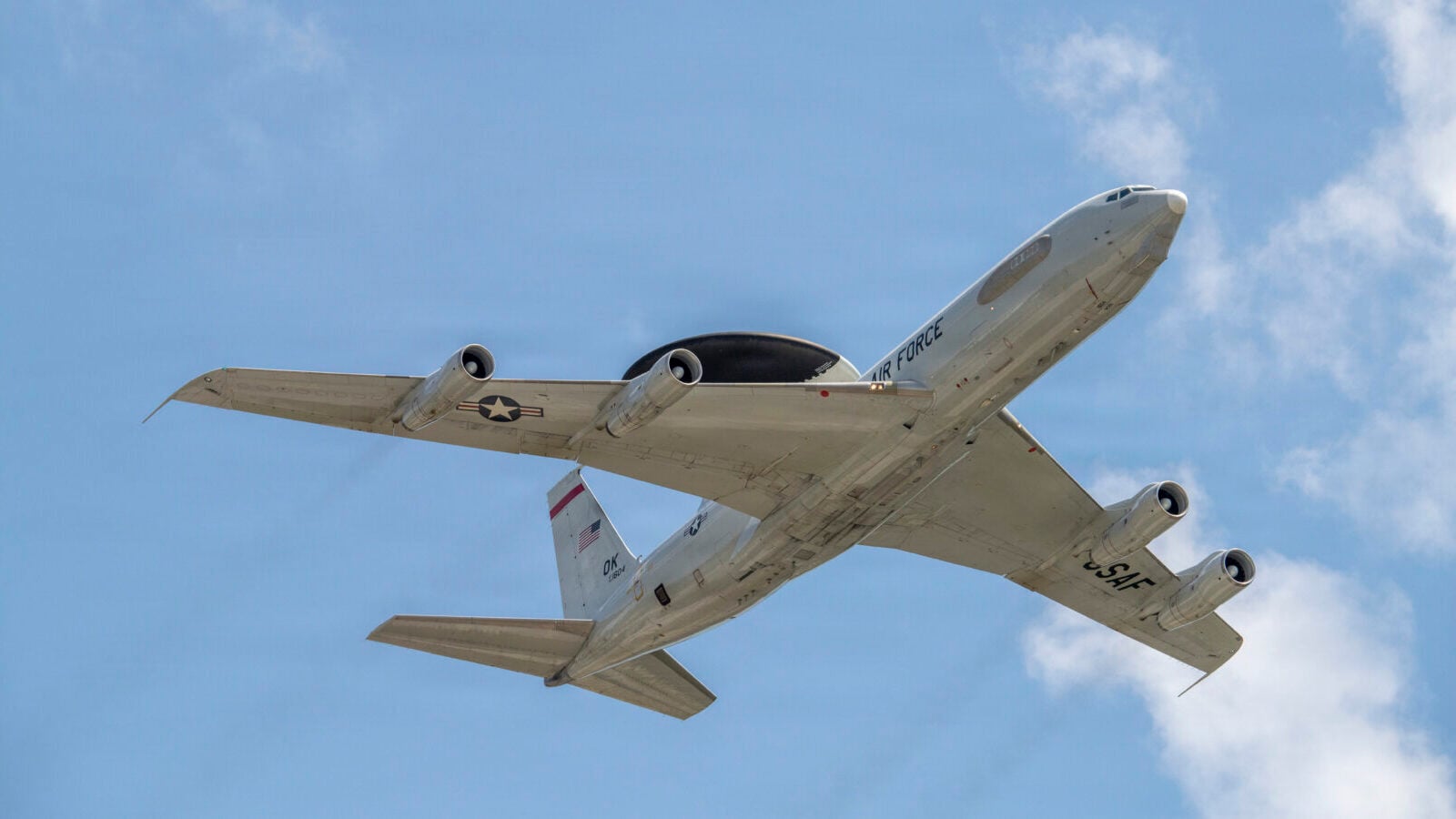
- Airborne battle management (ABM) aircraft like the E-2, E-3, and E-7 are critical for coordinating responses to drone and cruise missile threats, as demonstrated by Operation Epic Fury, but the U.S. faces a shortage of these aging and limited platforms.
- The Air Force’s ABM fleet is particularly strained, with only sixteen E-3 Sentries available and fewer than half mission-ready as of 2024, risking overuse and degradation amid ongoing high-intensity air operations.
- Older ABM radars struggle to detect low-flying drones and cruise missiles effectively, while more advanced platforms like the Navy’s E-2D Hawkeye have greater capability but are primarily assigned to carrier defense, leaving a gap in joint force coverage.
- Current DoD plans to cancel or reduce ABM programs in favor of unproven alternatives such as space-based sensors and ground or fighter-based systems do not adequately address the need for reliable, scalable airborne battle management.
- To avoid a critical capability gap, the Department of Defense and Congress must prioritize funding for new ABM aircraft, updated radar systems, and personnel pipeline maintenance, ensuring the U.S. maintains effective early warning and command control in contested airspaces.


