Iran war: How long can Tehran's asymmetric strategy hold?
DW.com • • world
Key Points:
- US President Donald Trump claims regime change in Iran has occurred and anticipates fulfilling US objectives soon, despite ongoing Iranian resistance and counterstrikes.
- US and Israeli airstrikes have heavily degraded Iran's conventional military capabilities, but Iran continues asymmetric warfare using drones, cyberattacks, and proxy forces developed over decades.
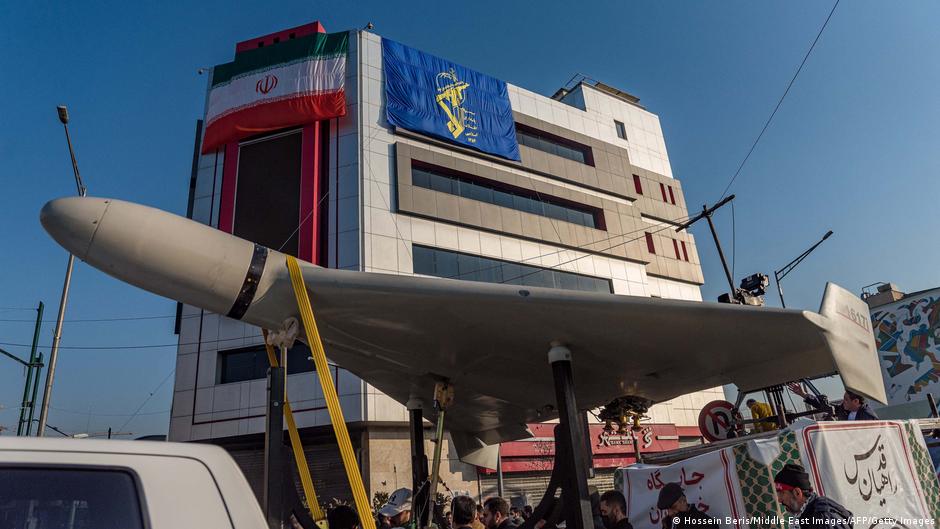
- Iran's inexpensive Shahed attack drones, capable of long-range precision strikes, pose a sustained threat, with thousands deployed and some reportedly supported by Russian variants.
- The strategic Strait of Hormuz remains a critical leverage point for Iran, as it threatens a significant portion of global oil supply, complicating any military solution to reopen shipping routes.
- With no appetite for a US ground war and hardened Iranian leadership, a quick resolution or regime removal appears unlikely, suggesting prolonged conflict and continued Iranian influence in the region.


