AI Image
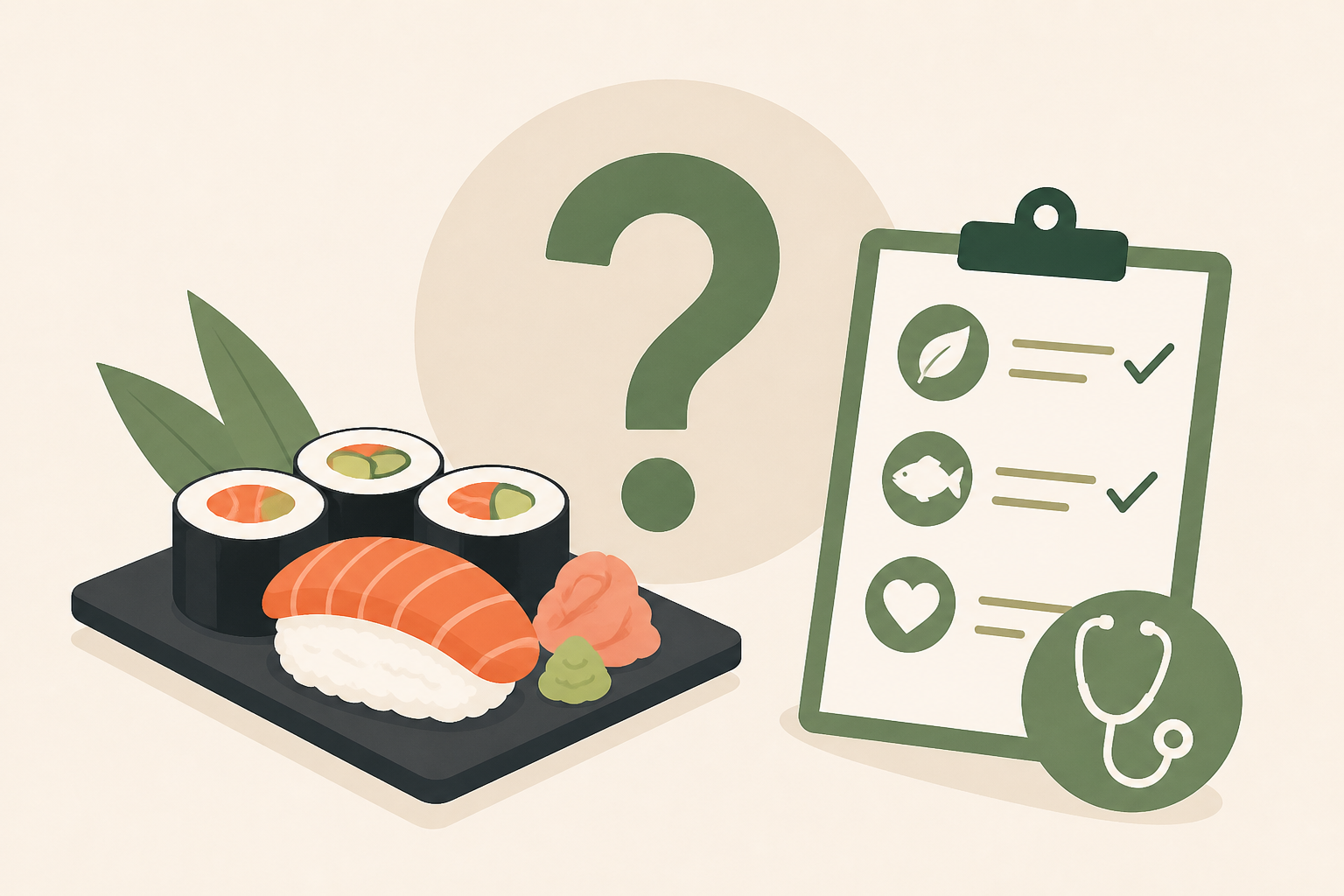
Is sushi healthy? What dietitians say
USA Today • • health
Key Points:
- Sushi is a Japanese dish centered around vinegared rice combined with ingredients like fish, vegetables, avocado, or egg, with various styles such as maki, uramaki, temaki, and nigiri, while sashimi (fish without rice) is not technically sushi.
- Sushi can be highly nutritious, offering complete protein, omega-3 fatty acids, vitamins D and B12, selenium, iodine from seaweed, and vitamins and minerals from vegetables, supporting heart, brain, immune, and metabolic health.
- Nutritional quality varies widely depending on ingredients and preparation; specialty rolls may be high in calories, saturated fat, added sugars, and sodium, especially when fried or covered in creamy sauces and served with soy sauce.
- Concerns include mercury exposure from certain fish species, with salmon and shrimp being lower risk, and the potential for harmful bacteria or parasites in raw seafood, making cooked options safer for pregnant women, young children, older adults, and those with weakened immune systems.
- For most healthy adults, sushi can be part of a balanced diet when consumed in moderation, ideally a few times per week, by choosing lower-mercury fish, vegetable-rich rolls, cooked options, lighter sauces, and limiting soy sauce intake.


