AI Image
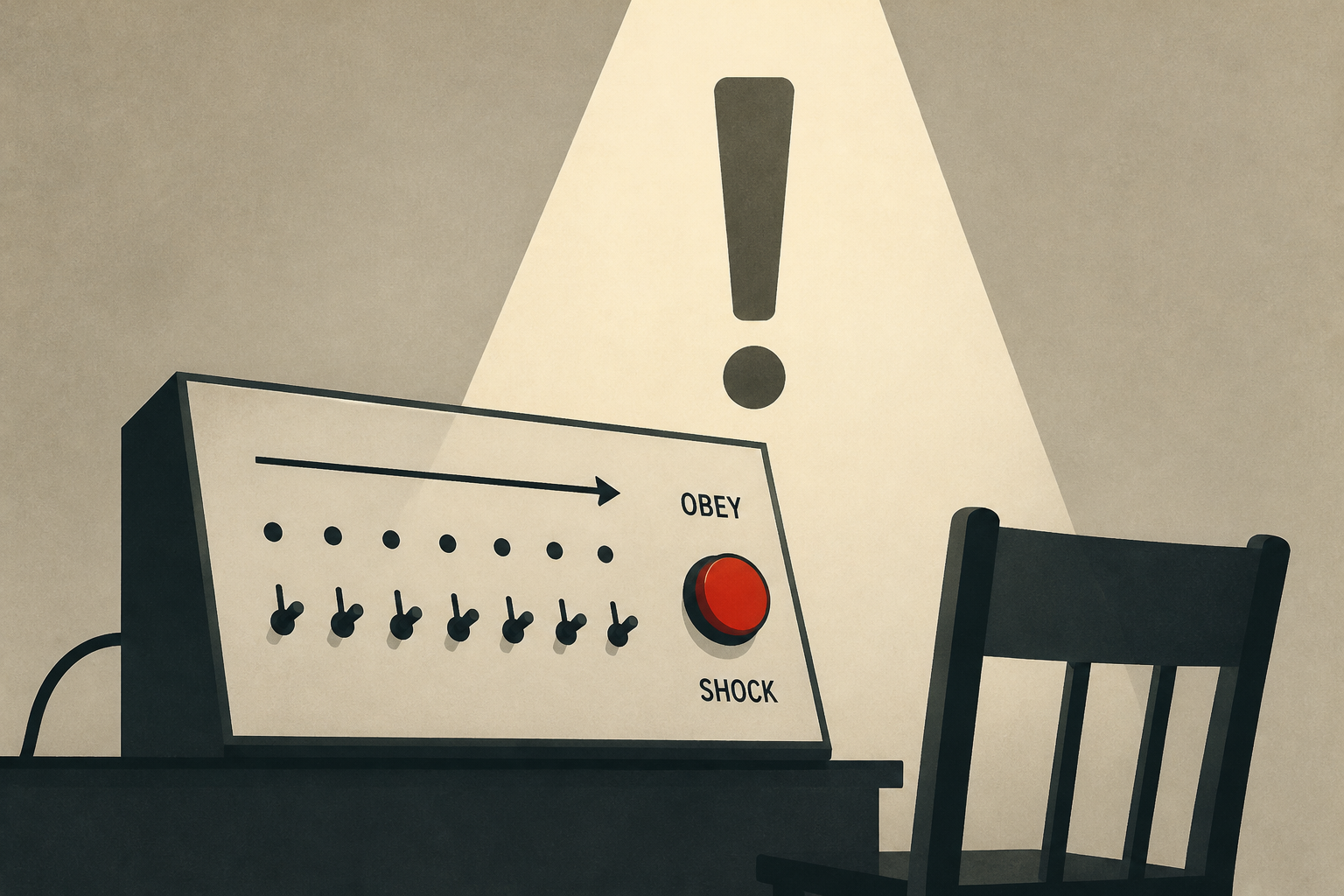
'It was jaw-dropping': The shocking lessons from an infamous experiment in obedience
BBC • • world
Key Points:
- Modern replications of the Milgram experiment show that a majority of people obey immoral orders, with obedience rates around 65-90%, and no significant difference between men and women.
- Brain imaging studies reveal that obedience reduces activity in brain regions linked to empathy, guilt, and responsibility, making it cognitively easier to obey harmful orders than to resist them.
- Key factors encouraging obedience include the perceived responsibility of authority figures, the gradual escalation of harmful actions, time pressure, and lack of opportunity for reflection.
- Resisting immoral orders can be facilitated by psychological distancing from authority, recognizing shifted responsibility, questioning the legitimacy of orders, and having moral role models.
- The research highlights the importance of building social systems that limit unchecked authority and fostering early life experiences that encourage moral courage and resistance to harmful obedience.


