AI Image
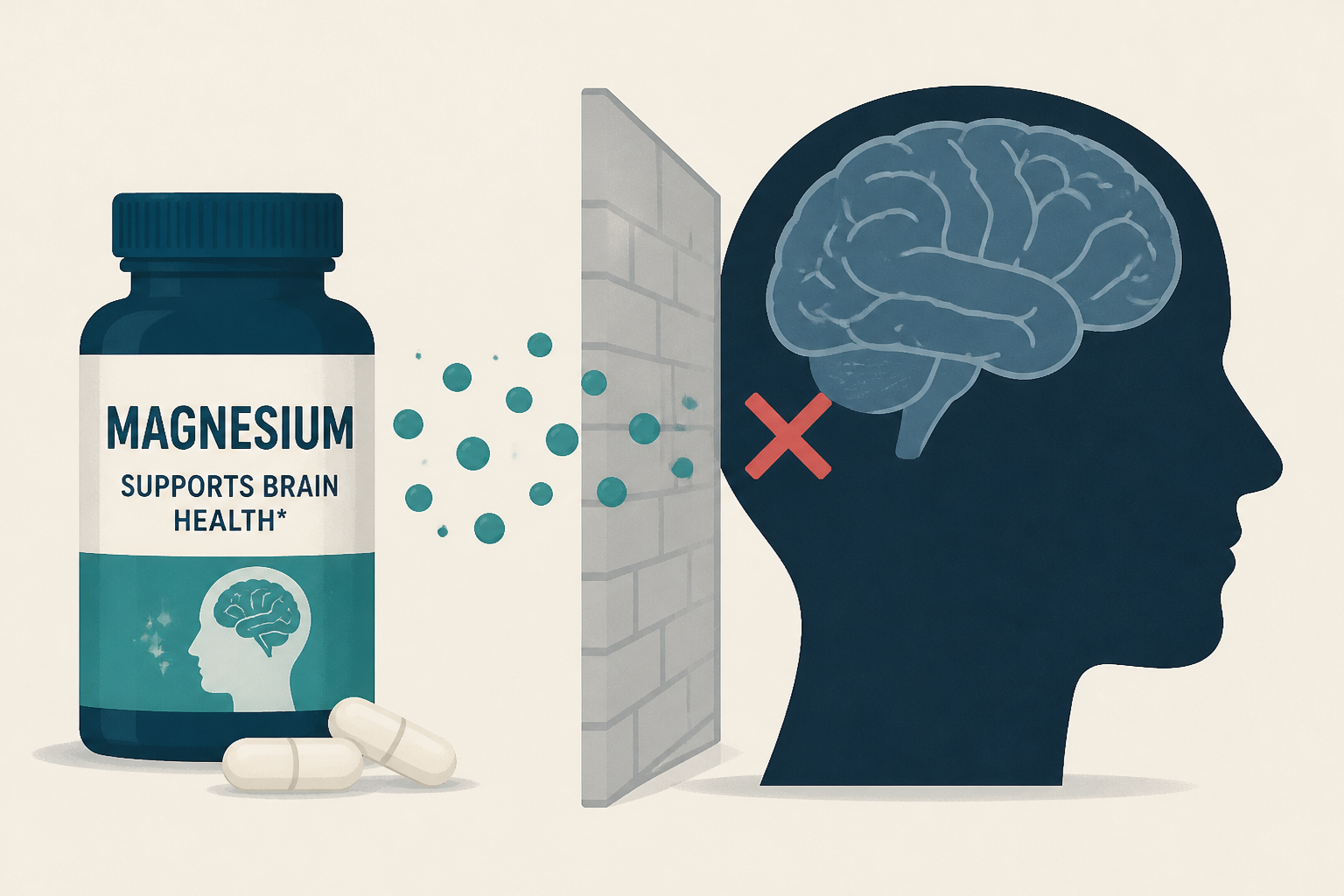
Magnesium May Not Reach Your Brain, Despite Supplement Label Promises
WIRED • • health
Key Points:
- Magnesium is essential for numerous bodily functions, including DNA and protein synthesis and nervous system signaling, with over half of the body's magnesium stored in bones.
- Magnesium supplements contain magnesium salts that must dissolve to release usable magnesium ions, but absorption varies based on dose, stomach contents, and existing magnesium levels, with higher doses leading to less absorption.
- Common supplements like magnesium oxide have low bioavailability and primarily act as laxatives, while other forms like magnesium citrate dissolve better and are absorbed more efficiently.
- Claims that certain magnesium salts, such as magnesium L-threonate, specifically target the brain are largely based on rodent studies with high doses and lack strong evidence from human trials.
- Human studies on magnesium supplements and cognitive benefits are limited, often funded by supplement companies, and do not measure brain magnesium levels, suggesting such supplements may be overpriced laxatives rather than effective brain enhancers.


