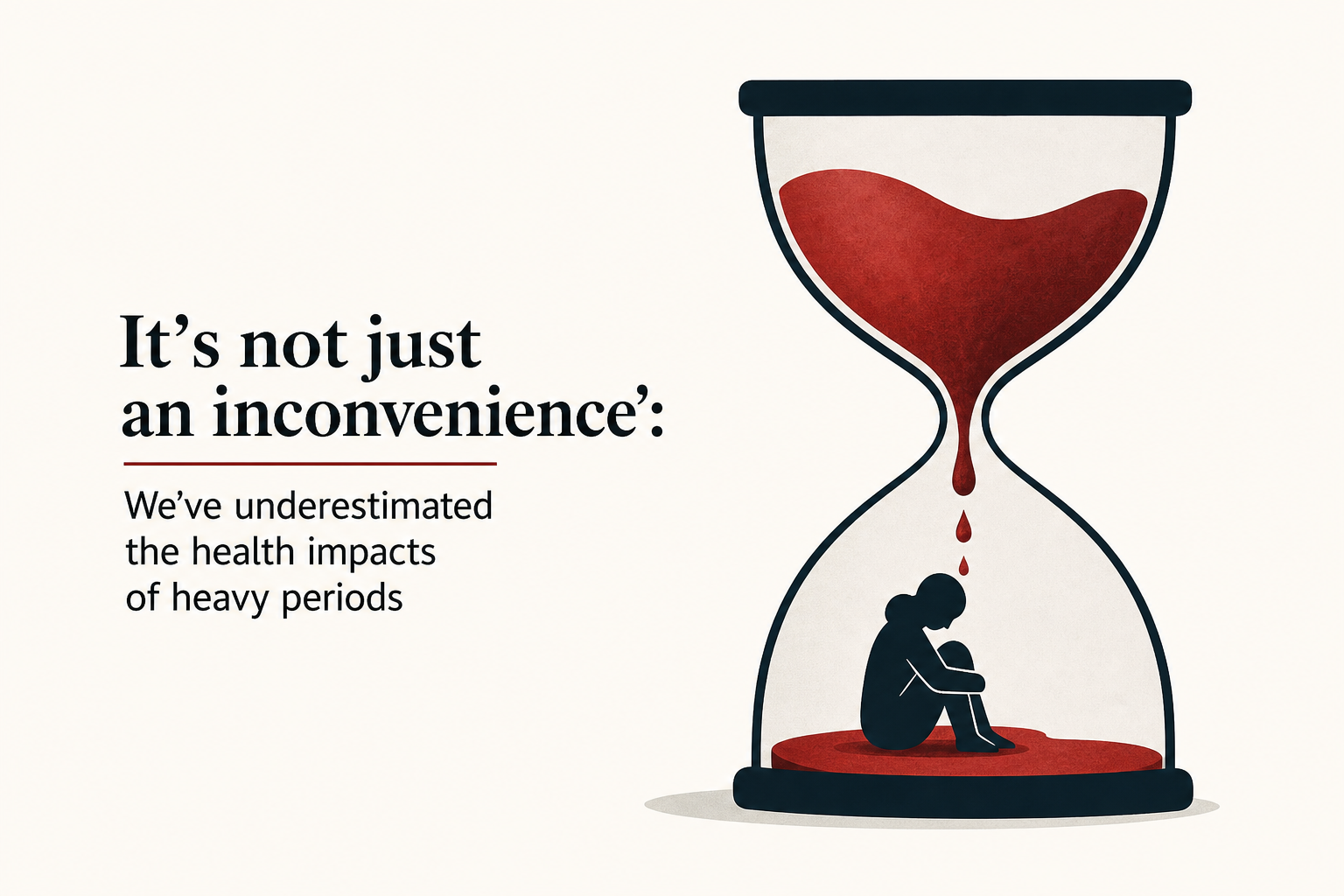
AI Generated Image
'It's not just an inconvenience': We've underestimated the health impacts of heavy periods
BBC • • general
Key Points:
- Heavy menstrual bleeding (HMB) affects an estimated 10-30% of reproductive-aged women globally, with some studies suggesting up to 50% prevalence due to under-reporting and lack of awareness; it significantly impacts quality of life and can lead to serious health issues like iron deficiency and anaemia.
- HMB is often misunderstood or normalized as a typical part of menstruation, causing delays in diagnosis and treatment, sometimes spanning decades, as many individuals and clinicians outside gynecology overlook its severity and underlying causes such as fibroids, polyps, or endometriosis.
- The condition has profound social and economic consequences, including missed school or work days, mental health challenges, and disruptions to daily life; for example, adolescents with HMB in the UK miss up to nine days of school annually, while adults may lose weeks of work, costing economies billions.
- Current treatments for HMB include hormonal therapies, non-steroidal anti-inflammatory drugs, and surgical options like hysterectomy, but many treatments have limitations, side effects, or are inaccessible, highlighting the urgent need for better diagnostics, targeted therapies, and increased research investment.
- New research initiatives aim to reduce diagnosis delays and improve understanding of HMB mechanisms through advanced technologies, biomarker identification, and community-focused interventions, emphasizing the importance of addressing this condition to improve health equity and quality of life for menstruating individuals worldwide.


