AI Image
'Leaky gut' isn’t a medical diagnosis. Here’s what it really means
AOL.com • • health
Key Points:
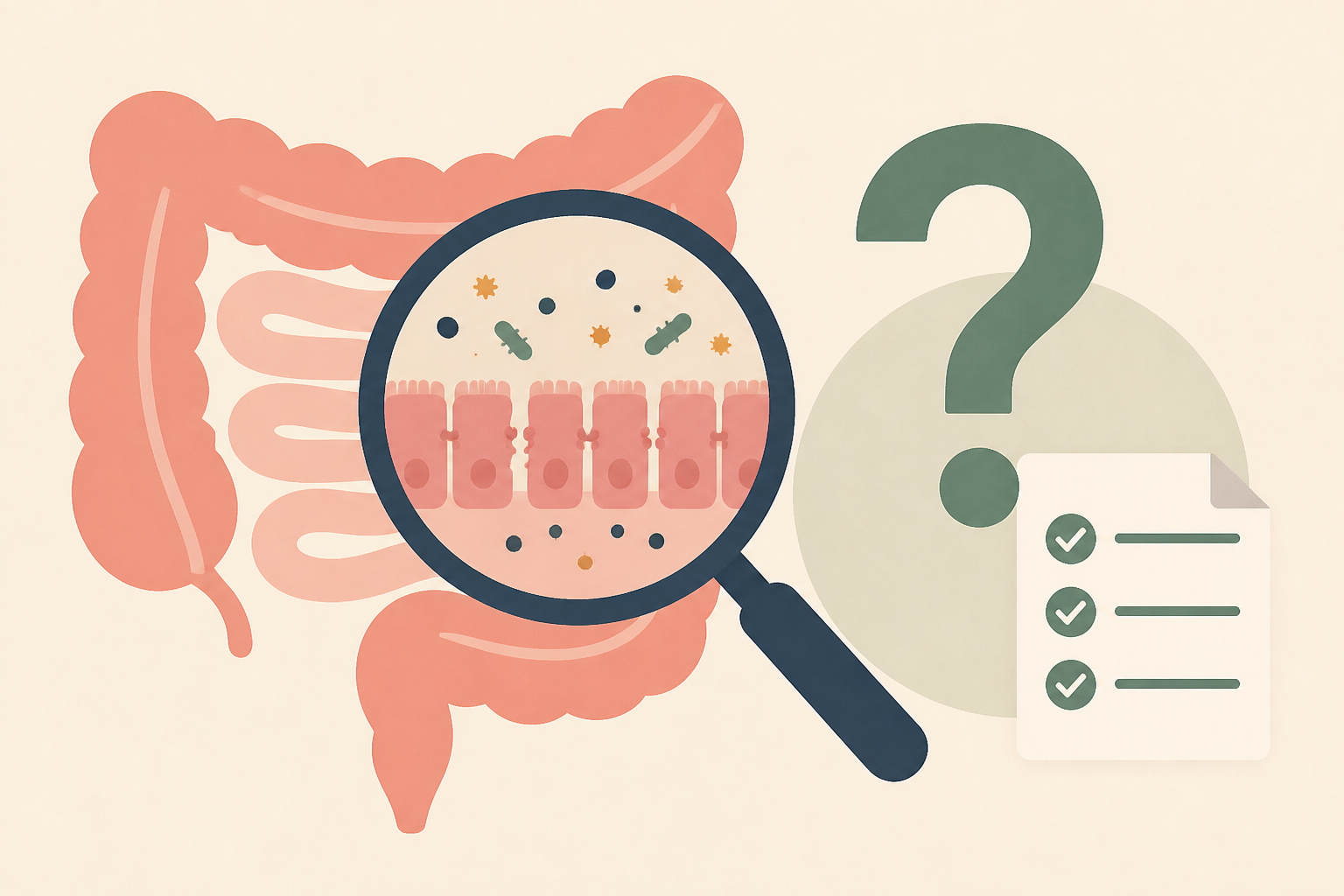
- "Leaky gut syndrome" is not an officially recognized medical diagnosis, though increased intestinal permeability—a condition where the gut lining becomes more porous—is real and linked to diseases like celiac disease and inflammatory bowel disease.
- The intestinal lining normally acts as a selective barrier allowing nutrients in while keeping harmful substances out; when this barrier is compromised, symptoms such as bloating, gas, food sensitivities, and abdominal discomfort may occur.
- Increased intestinal permeability can result from conditions that inflame or injure the gut lining, including Crohn’s disease, infections, certain cancer treatments, heavy alcohol use, and NSAID medications like aspirin and ibuprofen.
- Stress, poor sleep, repeated antibiotic use, environmental toxins, and intense exercise may also temporarily affect gut permeability through complex gut-brain interactions.
- There is no FDA-approved treatment for "leaky gut" itself; medical care focuses on diagnosing and treating underlying causes, with preventive measures including a balanced diet rich in fiber, limiting alcohol and processed foods, regular exercise, stress management, and adequate sleep.


