AI Image
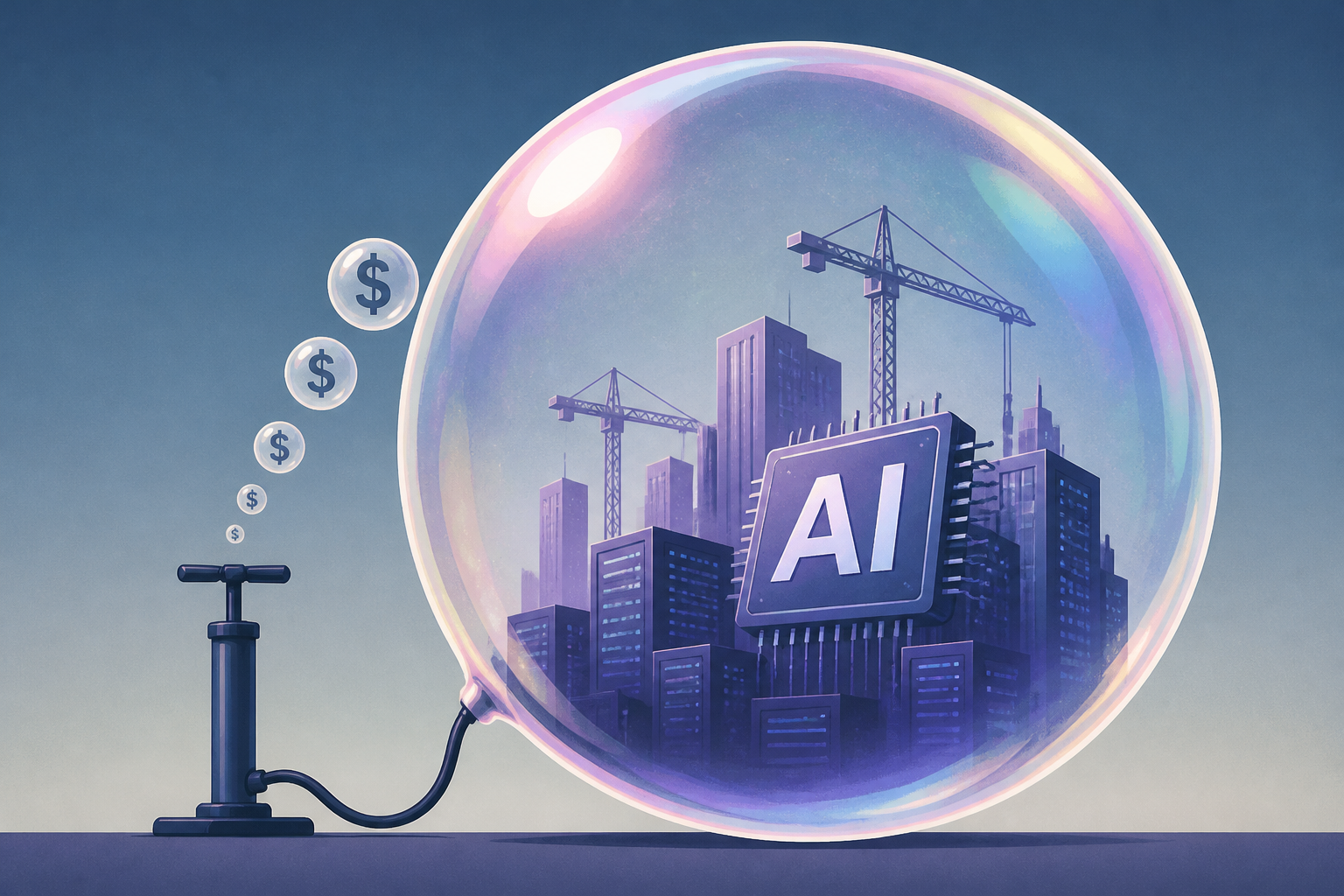
Roger McNamee: AI’s ‘existential risks’ are all hype. But there's a real, and dangerous, financial bubble building
The Nerve • • business
Key Points:
- Four years after the launch of ChatGPT, AI has not lived up to its transformative promises, with significant concerns about safety, ethics, and economic impact now emerging.
- AI products have been linked to cybersecurity breaches, mental health risks, and ethical issues, including incidents involving school shootings and assisted suicides, raising questions about consumer safety and accountability.
- The current AI industry model, heavily reliant on large language models (LLMs) and massive capital investment, faces challenges such as high costs, limited enterprise adoption, and a probable dead-end in technology scalability.
- The AI sector’s intense competition among a few giant companies, combined with enormous debt-financed infrastructure spending, poses systemic financial risks that could impact the broader economy.
- Critics urge skepticism toward AI companies’ claims, highlighting that AI’s real-world harms—cybersecurity threats, reduced productivity, misinformation, and social isolation—outweigh its current benefits, and warn that the industry’s flawed business model may limit future economic returns.


