AI Image
Lunar orbiter spots ‘once in a lifetime’ new crater
CNN • • general
Key Points:
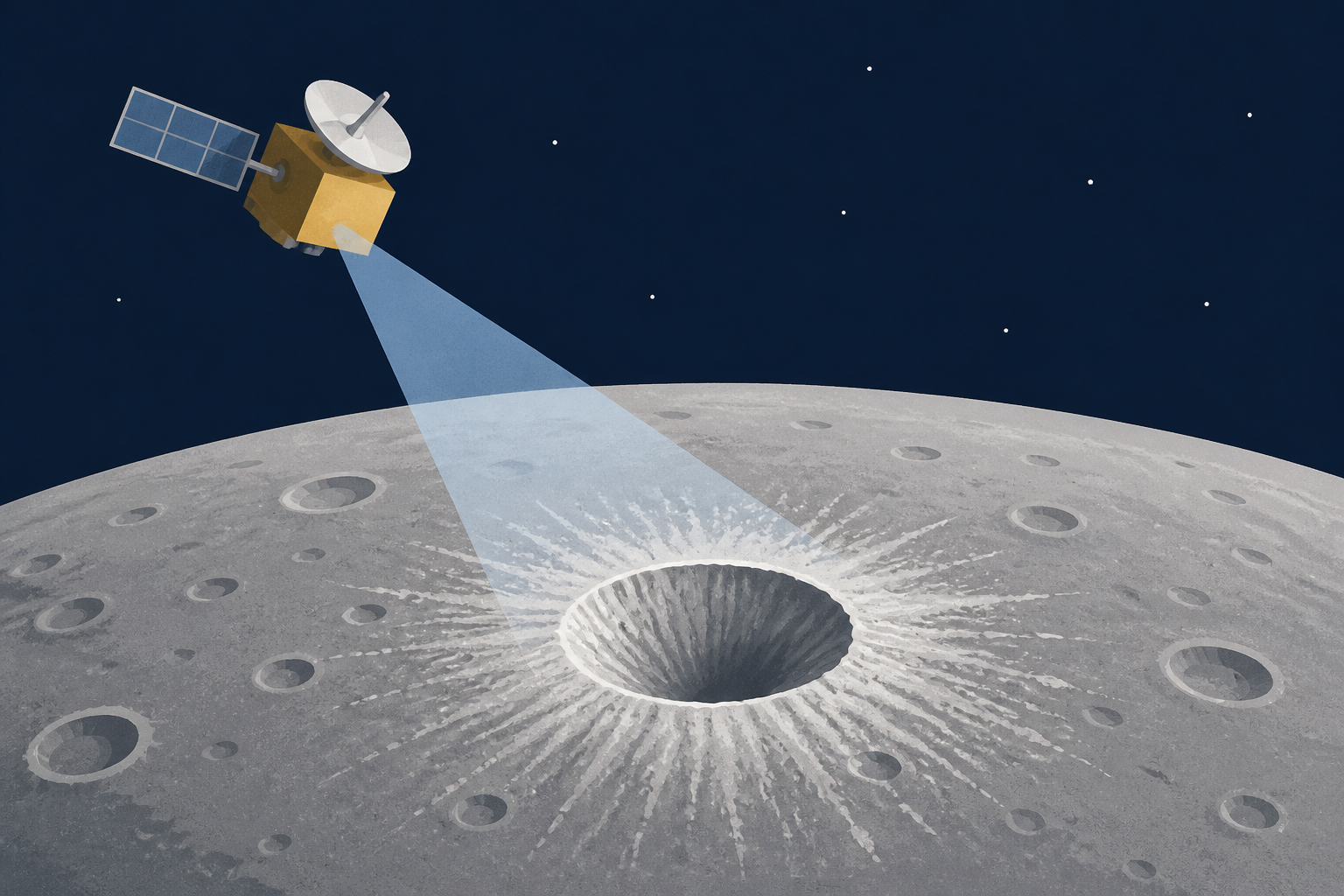
- A large impact crater named McGetchin, measuring 728 feet wide and 141 feet deep, was formed on the moon’s eastern edge between April and May 2024 by a comet or asteroid estimated to be the size of a three to six-story building.
- This crater is the largest newly formed lunar crater observed in the solar system since human monitoring began, an event expected to occur only once every 132 years on the moon, according to a study published in Science Advances.
- The discovery was made using data from NASA’s Lunar Reconnaissance Orbiter (LRO), which has been orbiting the moon since 2009, enabling scientists to track over 1,000 new impact craters and other surface changes.
- Analysis of the crater and its surroundings revealed a "cold spot" area extending 4 miles wide, indicating significant surface disturbance that affects the moon’s thermal properties at night.
- Understanding such impacts is critical for future lunar exploration and infrastructure planning, as these events highlight the moon’s ongoing vulnerability to space rock collisions and the importance of monitoring near-Earth objects.


