AI Image
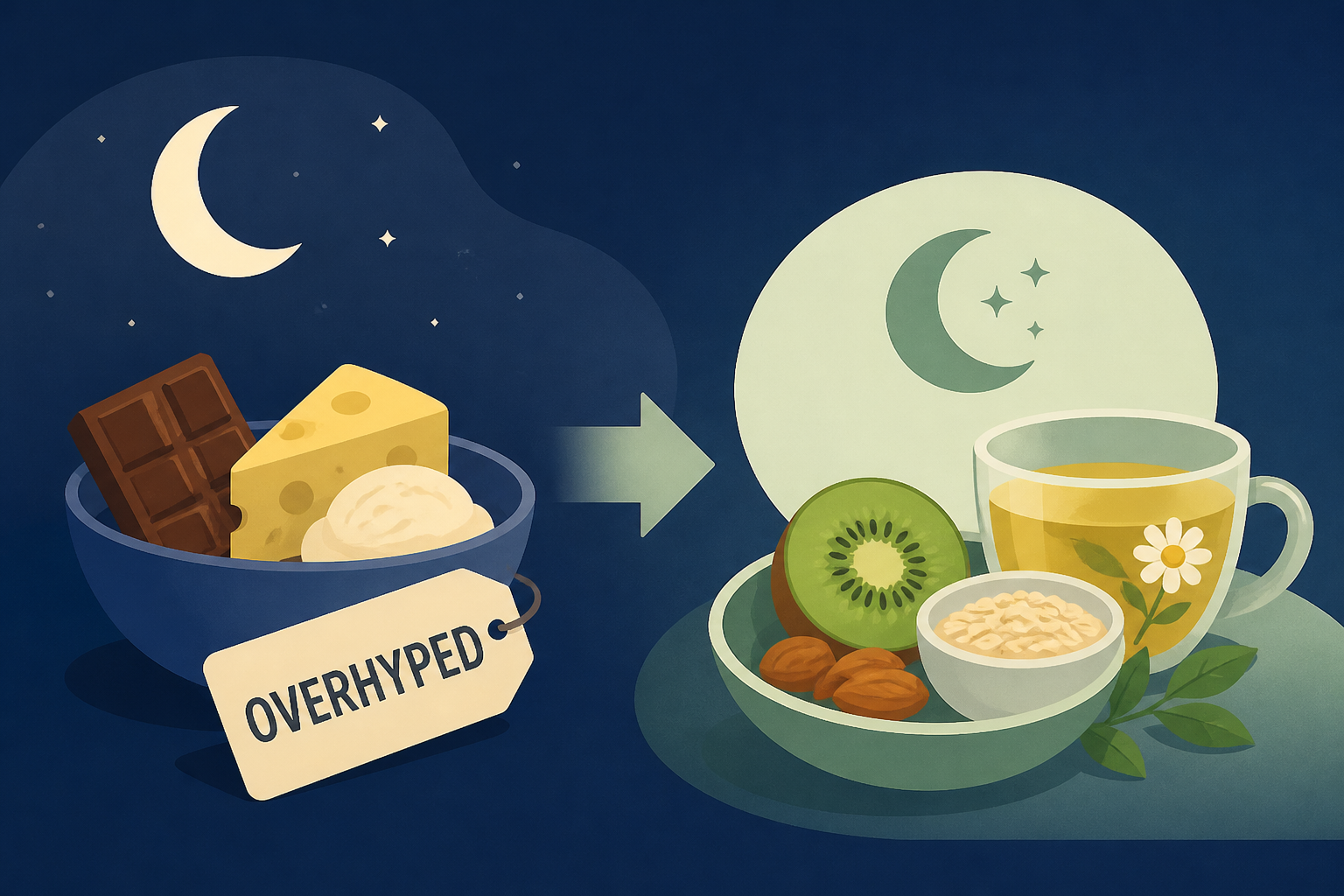
Many 'sleep foods' are overhyped. Here's what experts say to eat at night instead
Yahoo Health • • health
Key Points:
- Eating a fiber-rich dinner with whole grains, vegetables, legumes, lean protein, and healthy carbs can promote deeper, less interrupted sleep, while limiting saturated fats and added sugars improves sleep quality.
- Foods like salmon (rich in tryptophan, vitamin B6, and omega-3s), potatoes (high in potassium), and consistent meal timing support melatonin production and circadian rhythm regulation.
- Small, fiber- and protein-rich bedtime snacks such as oatmeal, yogurt with fruit, or whole-grain toast with nut butter can help maintain stable blood sugar and reduce nighttime awakenings if eaten 2-3 hours before bed.
- Certain foods like kiwifruit, bananas, milk, tart cherries, and nuts/seeds may aid sleep due to their content of melatonin, serotonin, tryptophan, magnesium, or antioxidants, but evidence varies and some studies are industry-funded.
- People with reflux or delayed stomach emptying (e.g., on GLP-1 drugs) should wait 2-3 hours after eating before lying down, keep late meals small and low-fat, and consider elevating the head of the bed to reduce acid reflux and improve sleep.


