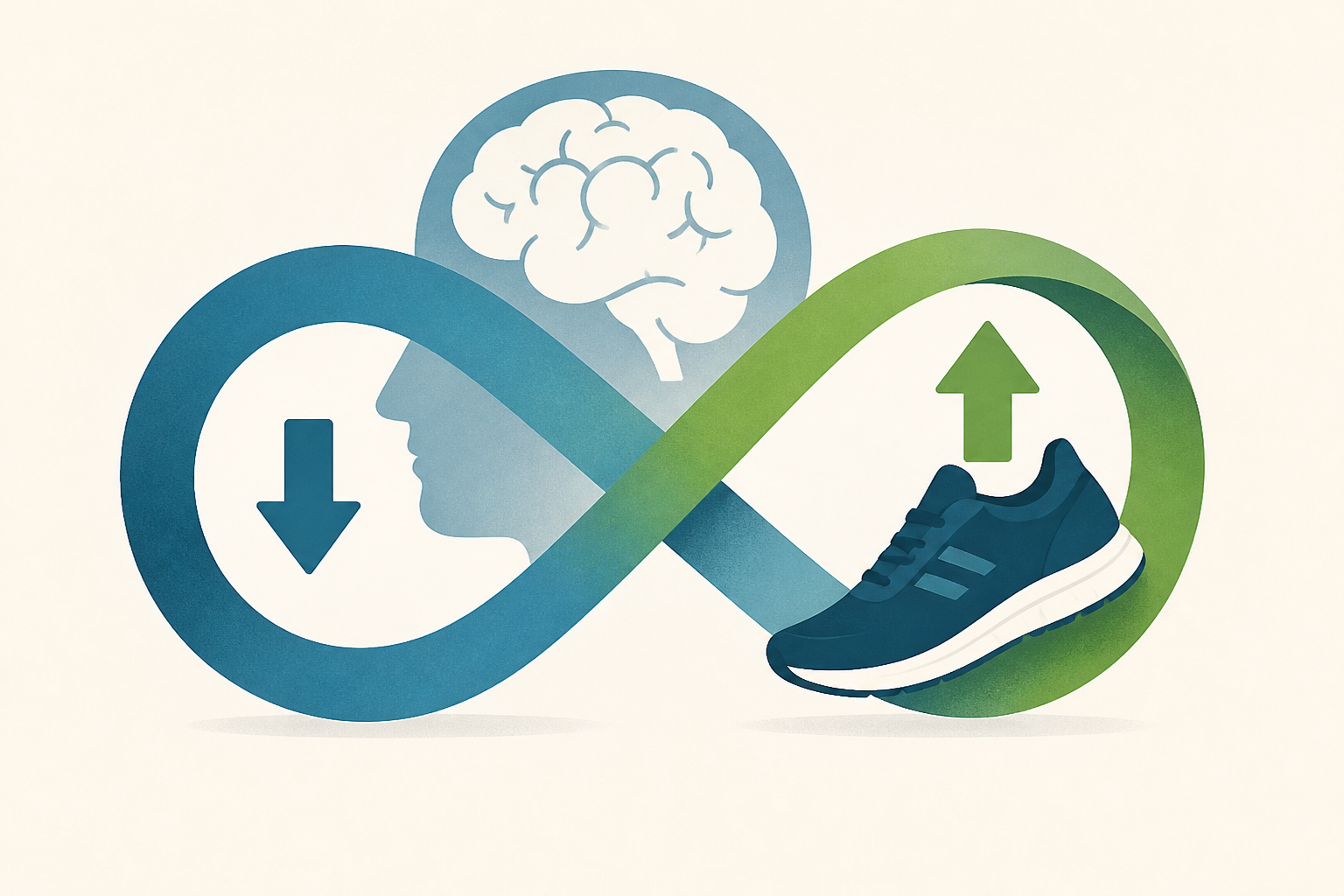
AI Generated Image
Massive study reveals a "physical activity paradox" in dementia risk
PsyPost • • health
Key Points:
- A large meta-analysis of over 4.2 million participants found that recreational exercise and household chores are associated with a reduced risk of developing dementia, while physically demanding jobs and active commuting may increase that risk.
- High levels of leisure-time physical activity were linked to a 24% lower risk of all-cause dementia, whereas occupational physical activity correlated with a 20% higher risk, suggesting that the context of physical activity significantly influences brain health outcomes.
- The increased dementia risk associated with physically demanding work may be due to factors such as psychological stress, low autonomy, environmental hazards, and repetitive tasks, rather than the physical activity itself.
- The study's findings challenge current public health guidelines that broadly promote physical activity, highlighting the need to distinguish between voluntary leisure exercise and occupational or commuting activity when considering dementia prevention.
- Limitations include the predominance of data from high-income countries, reliance on self-reported activity measures, and observational study designs that cannot establish causation; future research aims to clarify workplace factors and explore different types of physical activity like resistance training.


