AI Image
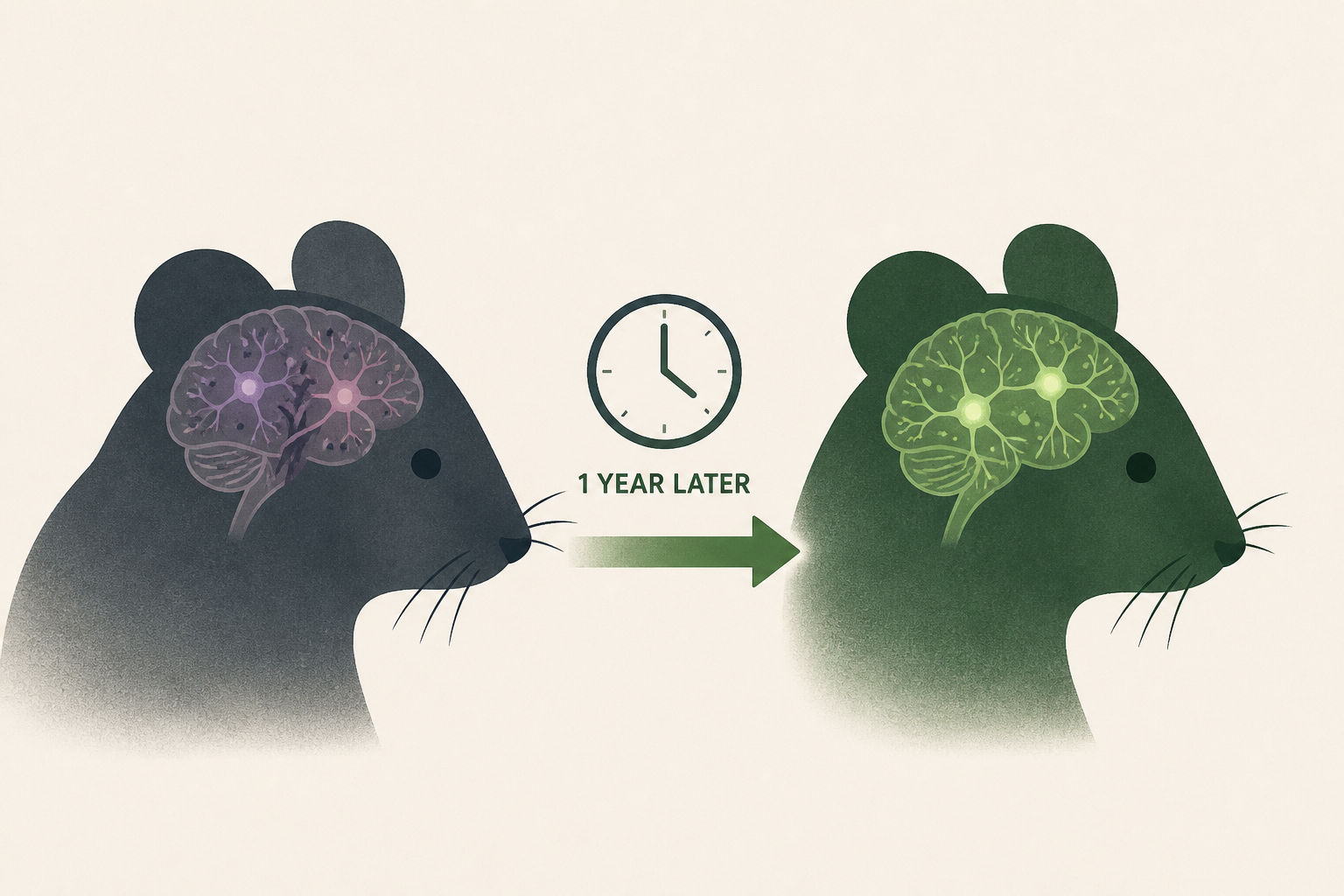
Mice With Parkinson's-Like Brain Changes Unexpectedly Recovered a Year Later
Yahoo • • health
Key Points:
- Laboratory mice exposed to the pesticide rotenone for three weeks exhibited Parkinson's-like movement problems, including slowed movement and balance difficulties, but these symptoms gradually improved over a year without treatment.
- The study, published in iScience by neuroscientist Xuelin Lou and colleagues, found that dopamine-producing neurons in the mice's brains initially decreased but later showed recovery in enzyme markers, suggesting the neurons lost and then regained their functional identity.
- Recovery mechanisms remain unclear, with hypotheses including neuron regrowth and metabolic or genetic adjustments; ongoing research aims to understand the resilience observed in the dopamine-producing cells.
- The findings do not negate the known association between pesticide exposure and increased Parkinson's risk in humans, and caution is advised against directly extrapolating these mouse model results to human patients or workers.
- The study only involved male mice and did not replicate all human Parkinson's disease features, highlighting the need for further research to determine relevance to human health.


