AI Generated Image
More protein in your breakfast or snacks won’t give you more muscle without more work - a biologist separates the science from the marketing
The Conversation • • health
Key Points:
- Protein is an essential macronutrient needed for building and repairing muscles, as well as supporting the nervous, immune, and other bodily systems; it is made up of amino acids, nine of which are essential and must be obtained from food.
- The U.S. government recently increased the recommended dietary allowance (RDA) for protein from 0.8 to 1.2-1.6 grams per kilogram of body weight, though individual protein needs vary based on factors like age, activity level, and health goals.
- While protein powders and fortified foods have become popular, especially for muscle growth and weight loss, they may lack the broader nutritional benefits of whole protein-rich foods and sometimes contain added sugars or fats.
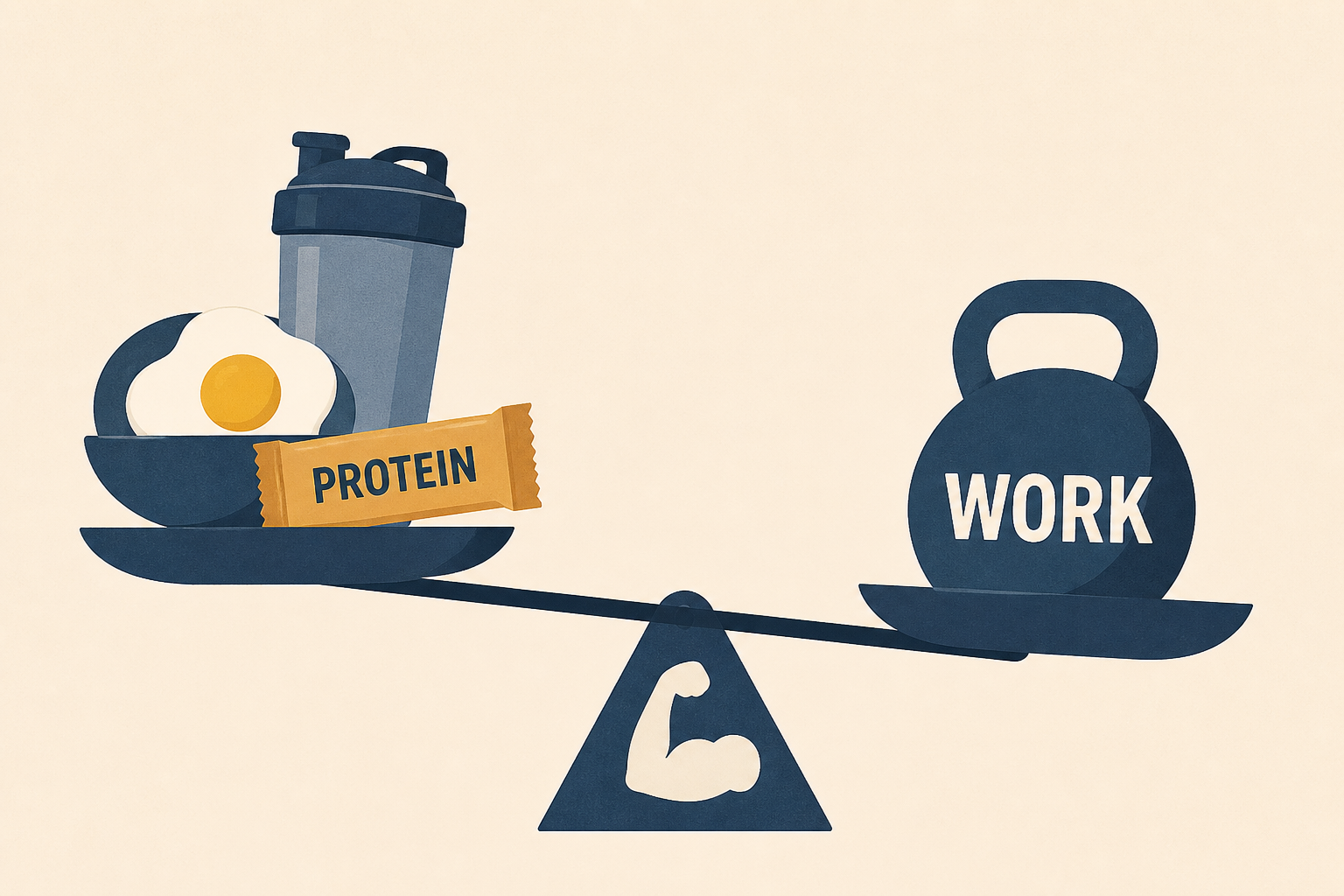
- Building muscle effectively requires not just adequate protein intake but also resistance training, which stimulates muscle growth and strength; protein alone is insufficient without challenging muscles through exercise.
- The current protein craze combines sound scientific evidence about protein’s health benefits with marketing-driven trends that promote protein-enriched products as a universal health solution, which may not always be necessary or beneficial.


