AI Image
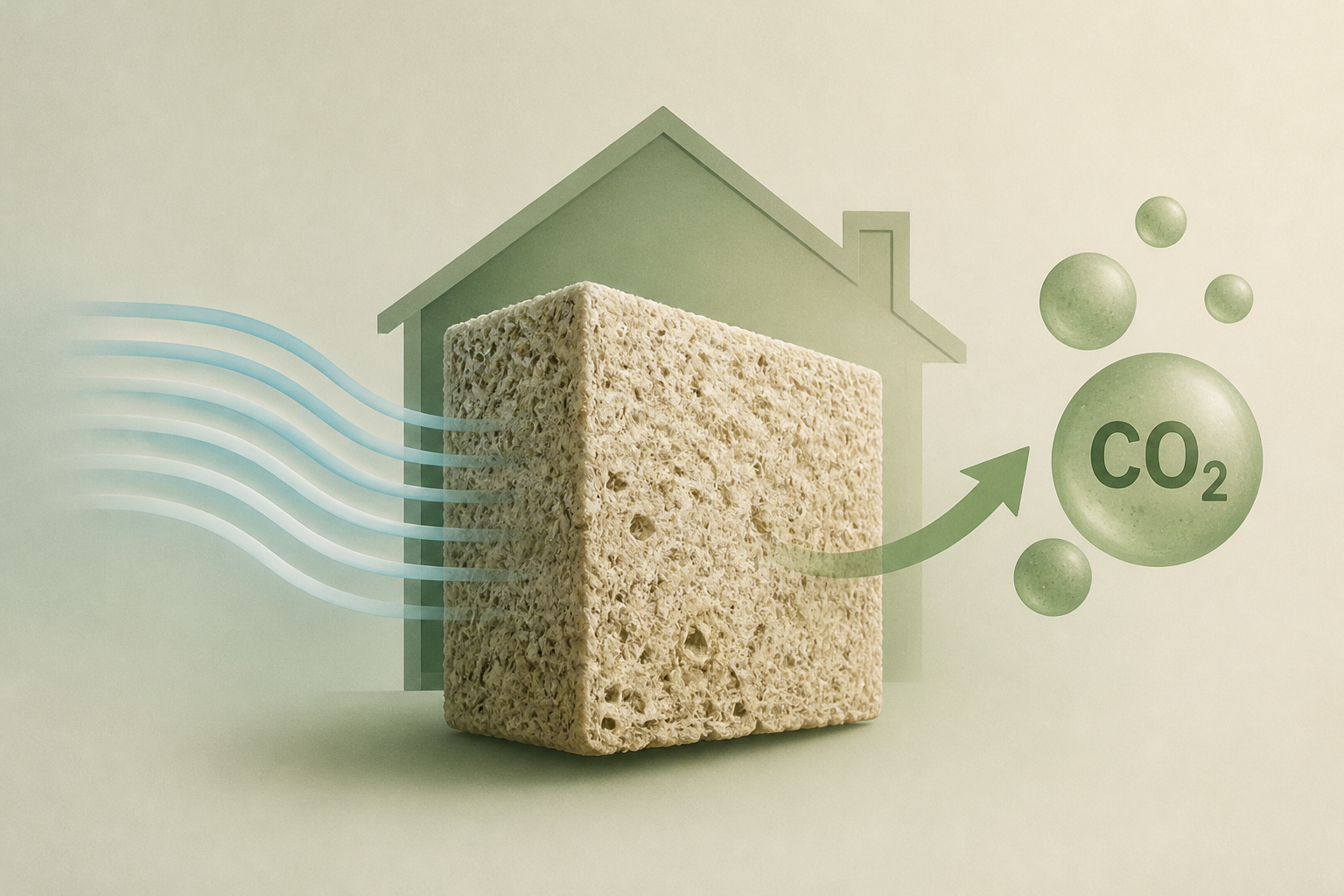
Once Banned for Decades, This Building Material Returns to U.S. Homes With 15x Concrete’s Insulation and CO₂ Storage
The Daily Galaxy • • science
Key Points:
- Hempcrete, a building material made from hemp and lime, has been officially included in the 2024 International Residential Code, allowing for its regulated use in home construction across many U.S. communities, though local acceptance varies.
- The material offers good insulation properties, with studies showing hempcrete walls provide better heat resistance than ordinary concrete and about 30% more than typical fiberglass-insulated walls, helping to maintain indoor temperature and humidity.
- Hempcrete has potential environmental benefits by storing carbon absorbed by hemp plants and lime, but its overall carbon footprint depends on the specific mixture and production processes, meaning not all hempcrete is carbon-negative.
- Despite growing acceptance, hempcrete use is limited by building height and complexity restrictions, availability of skilled labor, financing challenges, and the need for local code approvals, with places like Austin, Texas, and Maricopa County, Arizona, leading adoption.
- Fire safety tests have shown certain hempcrete wall designs can resist fire for at least one hour, supporting their inclusion in future building codes, yet these results apply only to tested configurations, underscoring the need for careful application.


