AI Image
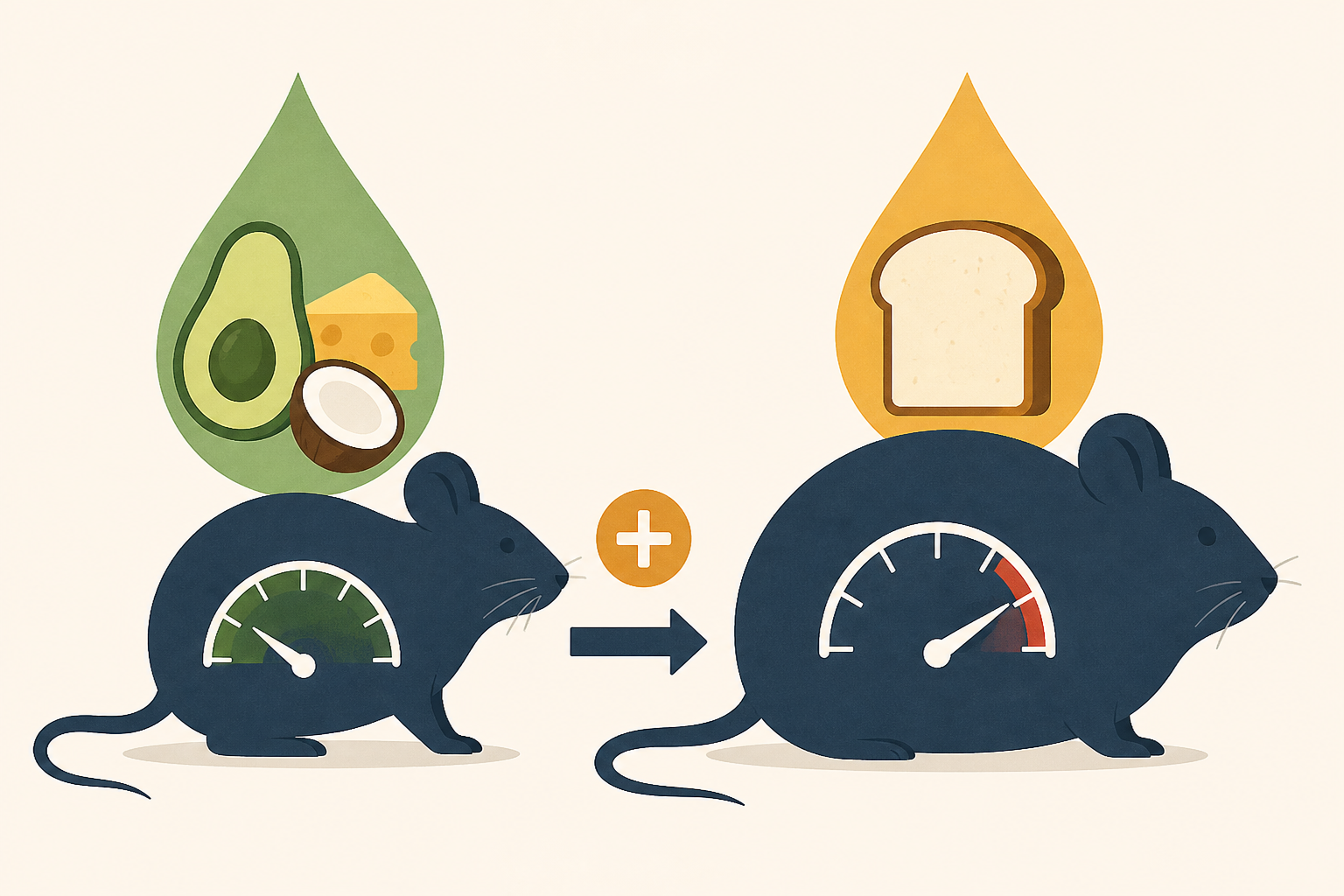
One Small Change to a Keto Diet Flipped Weight Loss Into Weight Gain in Mice
ScienceAlert • • health
Key Points:
- A recent study published in Cell Metabolism found that the protein content in ketogenic diets significantly affects weight loss and metabolic responses in mice, with low-protein (5%) keto diets reducing appetite and weight in some strains but not others.
- The study revealed that genetically distinct mouse strains (B6J and B6NJ), despite being 99.9% similar, responded differently due to mutations in genes related to oxidative stress and inflammation, influencing hormone release that suppresses appetite.
- In B6J mice, a low-protein, high-fat diet caused metabolic stress and inflammation, triggering hormones like GDF15 and LCN2 that reduce appetite but also led to muscle loss and fatty liver disease, whereas B6NJ mice did not show these effects.
- The findings suggest that genetic differences may explain inconsistent results in keto diet studies and highlight that weight loss driven by metabolic stress and inflammation may not be beneficial.
- Researchers recommend future studies to explore varying protein levels, genetic profiles, sex differences, and longer-term effects to better understand the complex interactions between diet, genetics, and metabolic health.


