AI Image
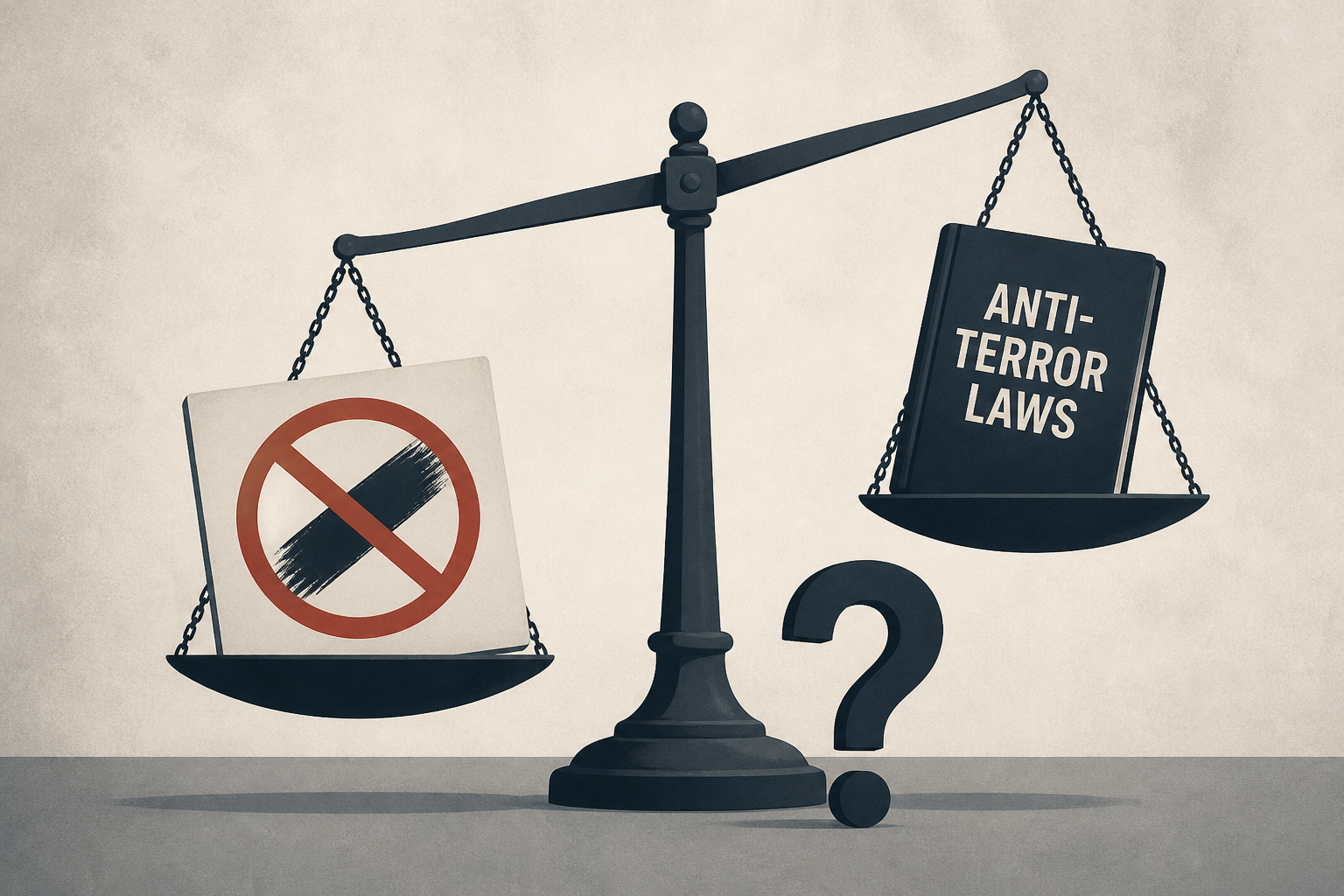
Palestine Action ban undermined confidence in anti-terror laws, Supreme Court told
BBC • • world
Key Points:
- The UK's Supreme Court is hearing a major legal challenge against the banning of Palestine Action under anti-terrorism laws, with lawyers arguing this has caused a "crisis in confidence" and unprecedented civil disobedience among protesters.
- Since the group's proscription, over 4,000 arrests have been made at protests supporting Palestine Action, many involving repeat arrests, with 1,200 charges currently pending trial outcomes.
- Lawyers for Palestine Action contend that the ban was disproportionate, noting that only a small fraction of the group's direct actions were assessed as terrorism-related, and that many protests involved non-violent tactics like graffiti and occupation.
- The Home Secretary's decision to label the group as terrorists is being challenged as an overreach that infringes on freedom of speech and protest, despite some incidents involving serious property damage and violence by individual members.
- Opposing submissions from Jewish groups describe Palestine Action as a violent and covert organization with escalating threats, supporting the view that the proscription was justified to protect community interests.


