AI Image
Pentagon Investigators Say Overreliance on Palantir AI Tech Contributed to U.S. Strike That Killed 123 Iranian Children
Gizmodo • • nation
Key Points:
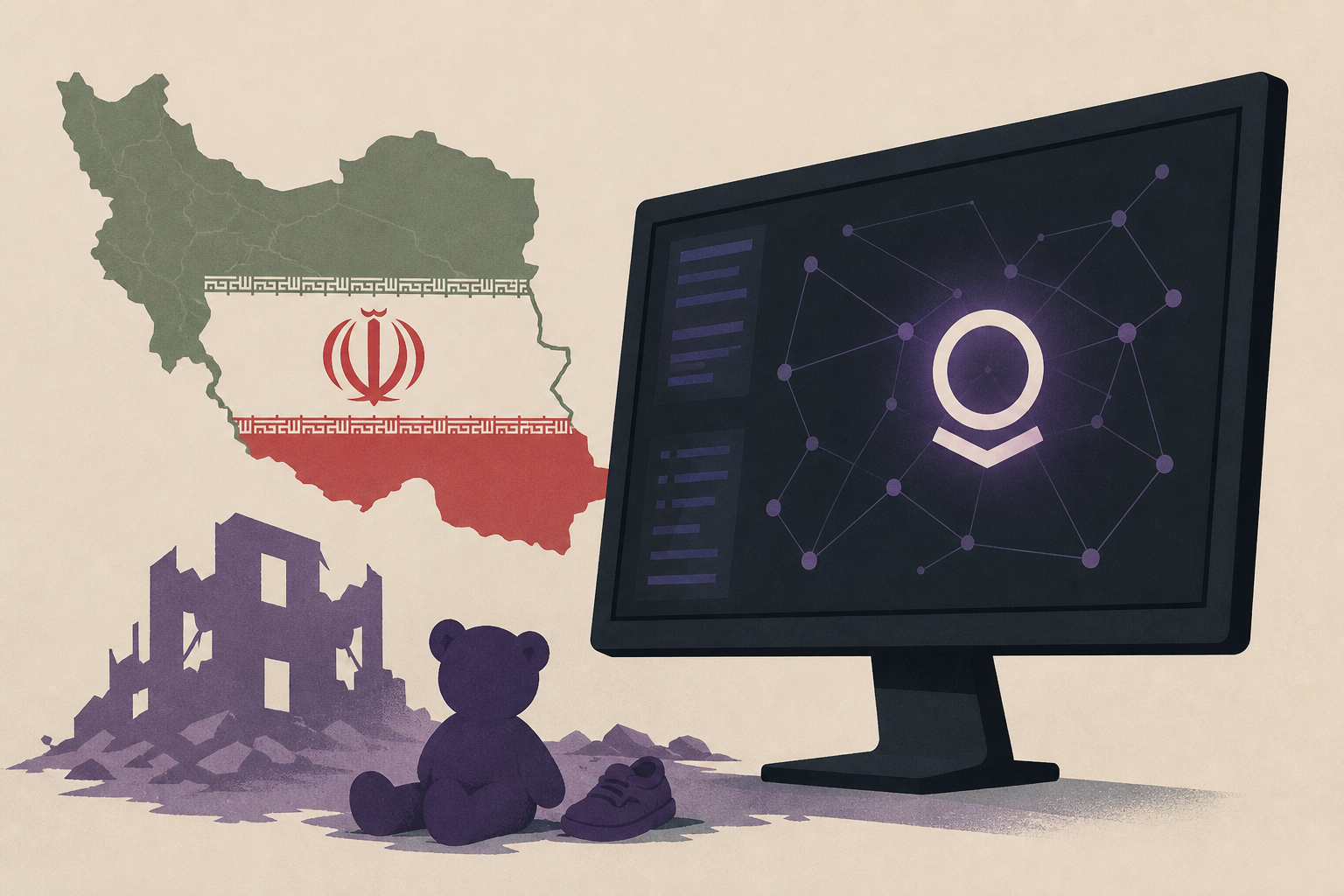
- In February, two U.S. Tomahawk missiles mistakenly struck Shajarah Tayyebeh Elementary School in Minab, Iran, killing over 150 people, including at least 123 children, due to outdated targeting data and overreliance on an AI tool called Maven developed by Palantir.
- An unreleased Pentagon review revealed that some U.S. personnel heavily depended on Maven, which recommended the school—incorrectly labeled as an IRGC facility—as a target, compressing intelligence analysis time from hours to minutes and contributing to the fatal error.
- The strike was also enabled by bad intelligence, outdated satellite imagery showing the site had become a school years earlier, and reduced staffing in civilian harm mitigation teams, which failed to review the target before the attack.
- The United Nations’ Independent International Fact-Finding Mission on Iran concluded the U.S. likely committed a war crime by launching an indiscriminate attack, citing reckless disregard for civilian harm, but the U.S. government has not publicly accepted responsibility.
- This incident highlights a broader pattern of critical errors linked to overreliance on AI in military and law enforcement contexts, underscoring the urgent need for improved human oversight and verification to prevent catastrophic consequences.


