AI Image
Physicists Find a Mathematical Limit to Making Time Run Backward
Yahoo • • technology
Key Points:
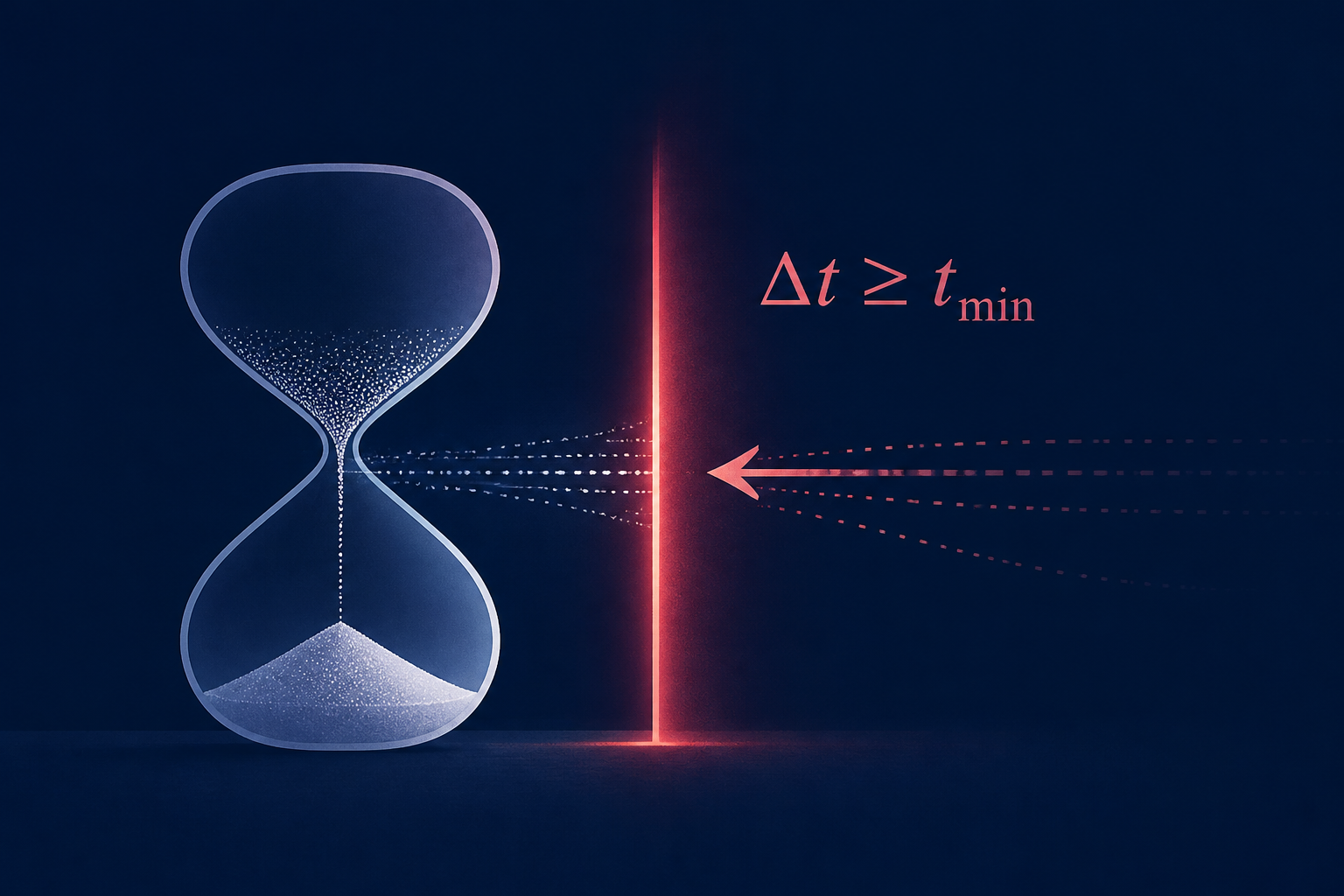
- Physicists Yakir Aharonov and Avshalom C. Elitzur explored the theoretical possibility of time running backward in quantum mechanics, finding that time reversal can only effectively occur for an extremely brief duration—about one femtosecond.
- Their study builds on the concept of a quantum time-translation machine, which uses quantum superposition and post-selection to make a system behave as if time has sped up, stopped, or reversed, but environmental interactions limit how far back time can run.
- The researchers proposed using atomic decay reversal as a test for time running backward, showing that environmental "memory" of emitted photons restricts quantum coherence and thus the reversal window to a femtosecond.
- Despite appearing to reverse time locally, the process does not violate the second law of thermodynamics because the reversal occurs only in a small subset of outcomes, preserving the overall increase of entropy.
- This research helps explain why time appears unidirectional in our macroscopic experience by identifying where quantum time reversal fails, shedding light on the emergence of the "arrow of time" from environmental interactions.


