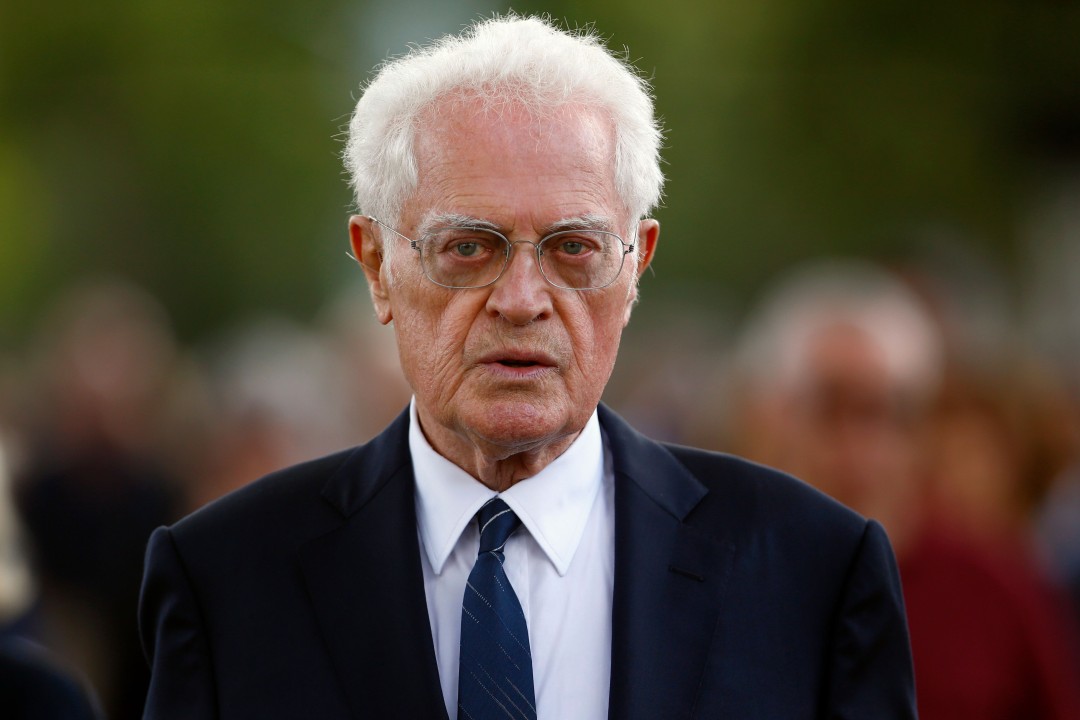
Prime Minister Reduced France's Workweek
newser.com • • world
Key Points:
- Lionel Jospin, an economics professor, was unexpectedly appointed head of the Socialist Party in 1981 by President Francois Mitterrand, restoring the party's credibility after corruption scandals.
- As prime minister from 1997 to 2002, Jospin led a left-wing government in a cohabitation arrangement with conservative President Jacques Chirac, resisting free-market reforms popular in Britain at the time.
- His key policies included the parity law mandating equal male and female political candidates, civil unions for LGBTQ+ and straight couples, and reducing the workweek from 39 to 35 hours, which sparked both praise and criticism.
- Jospin's reserved personality and discomfort with public attention limited his political appeal, culminating in a surprising first-round loss to Jean-Marie Le Pen in the 2002 presidential election, after which he retired from politics.
- His upbringing during Nazi-occupied Paris influenced his cautious and silent approach to politics, shaped by early experiences emphasizing the dangers of speaking out.


