AI Image
Rare gene drastically raises lung cancer risk in those who never smoked
The Seattle Times • • health
Key Points:
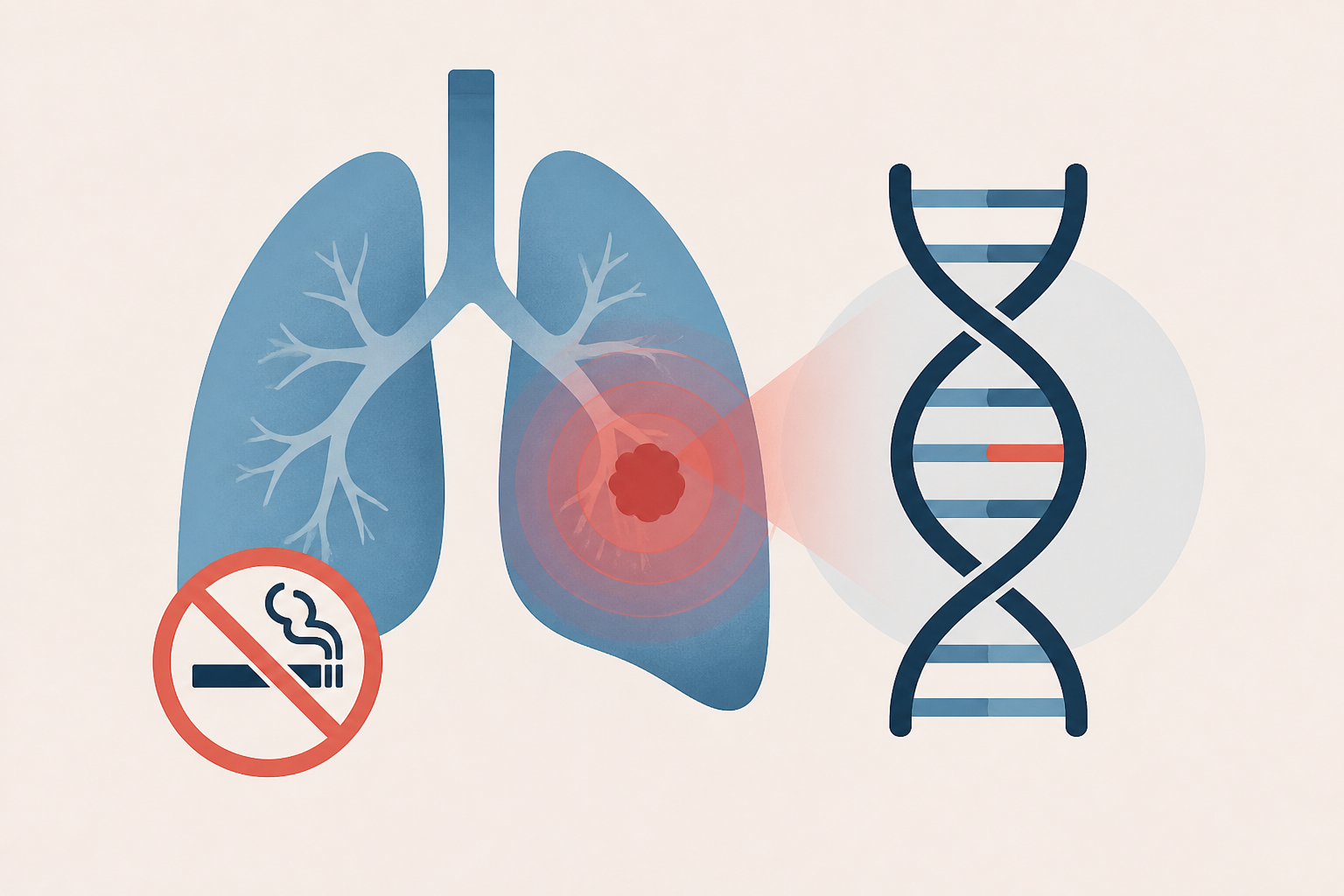
- A gene mutation known as EGFR T790M, originating from settlers from the British Isles 200-225 years ago, is now found mainly in Southern Appalachia, especially Tennessee and Alabama, significantly increasing lung cancer risk in both smokers and non-smokers.
- This mutation is one of the most potent cancer-risk genes discovered, increasing lung cancer risk 62-fold in non-smokers and 10-fold in smokers, and is uniquely associated only with lung cancer.
- Researchers utilized data from 23andMe's large genetic database to trace the mutation's origin, assess its cancer risk, and determine its regional prevalence, finding it in about 1 in 15,000 people nationwide and 1 in 2,000 in Southern Appalachia.
- The discovery raises questions about lung cancer screening guidelines, as current protocols focus on older smokers, but those with the mutation may benefit from earlier or more frequent screening.
- Experts emphasize the mutation’s unique behavior—being inherited from birth and affecting only lung cells—and see this finding as a critical step toward early detection, treatment, and potentially prevention of lung cancer.


![Asus Googlebook shows off a big trackpad and plenty of ports in leaked images [Gallery]](https://media-cdn.cashwalklabs.io/https%3A%2F%2Fs3.us-west-2.amazonaws.com%2Fimages.cashwalklabs.io%2F0_admin%2Fnews-ai-images%2F01a0b68d-ee3d-710b-bfc1-fecb6ceac47e.webp?format=webp&w=120&h=80)


