AI Image
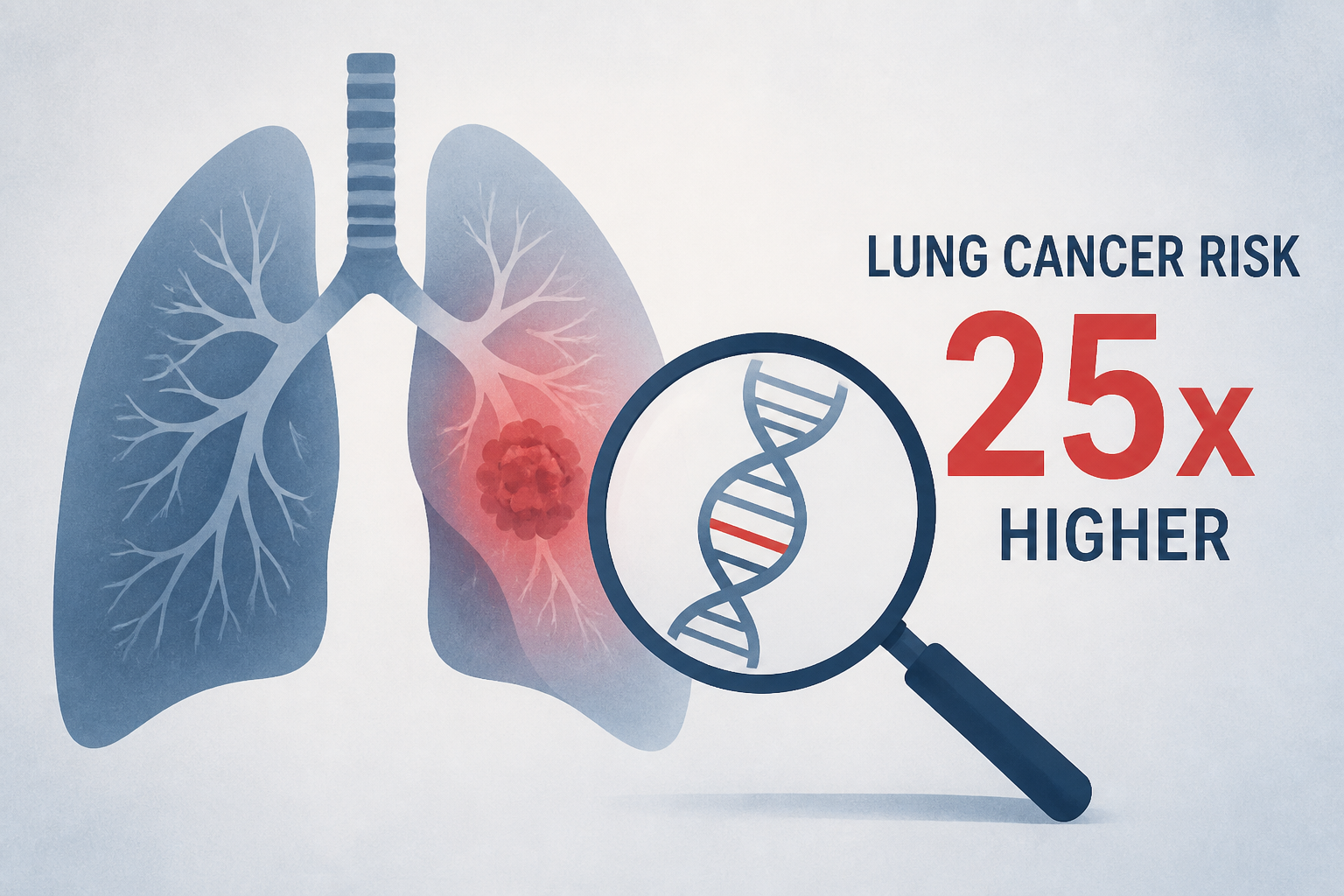
Rare genetic mutation raises lung cancer risk 25 times, study finds
Fox News • • health
Key Points:
- A rare genetic mutation in the EGFR T790M gene increases lung cancer risk by 25 times overall and by 62 times among never-smokers, according to a study analyzing data from over 3.3 million people.
- The mutation is most prevalent in Southern Appalachia, linked to British and Irish settlers from 200–225 years ago, affecting about 1 in 2,000 people in that region but only 1 in 15,000–16,000 nationwide.
- Researchers suggest genetic testing and personalized lung cancer screening could benefit carriers, especially those with a family history of lung cancer or roots in the southeastern U.S., though the mutation remains rare.
- The study highlights how human migration and genealogy can influence disease risk generations later but notes limitations due to the mutation's rarity and the study population's representativeness.
- While the mutation significantly raises lung cancer risk, the study does not yet prove that genetic testing improves health outcomes, and smoking remains a major additional risk factor.


