AI Image
Right Trajectory Is a Warning for Us All
Jacobin • • world
Key Points:
- The dominant view in political and social theory often treats the United States and Europe as the normative centers of development, with other regions seen as peripheral or exceptional, but Brazilian social thought challenges this by arguing that peripheral countries offer critical insights into global processes.
- Modernization theory, popularized during the Cold War, posited that all countries could eventually reach the prosperity of developed nations through economic progress, but critics from Latin America and Africa argued that development is conditioned by unequal global relations, with former colonies structurally subordinated to the interests of dominant capitalist countries.
- In Brazil, capitalist expansion coexists with enduring archaic social relations, such as informal settlements and domestic labor rooted in slavery, demonstrating that modernization is not a linear or uniform process but a complex synthesis of the modern and the archaic.
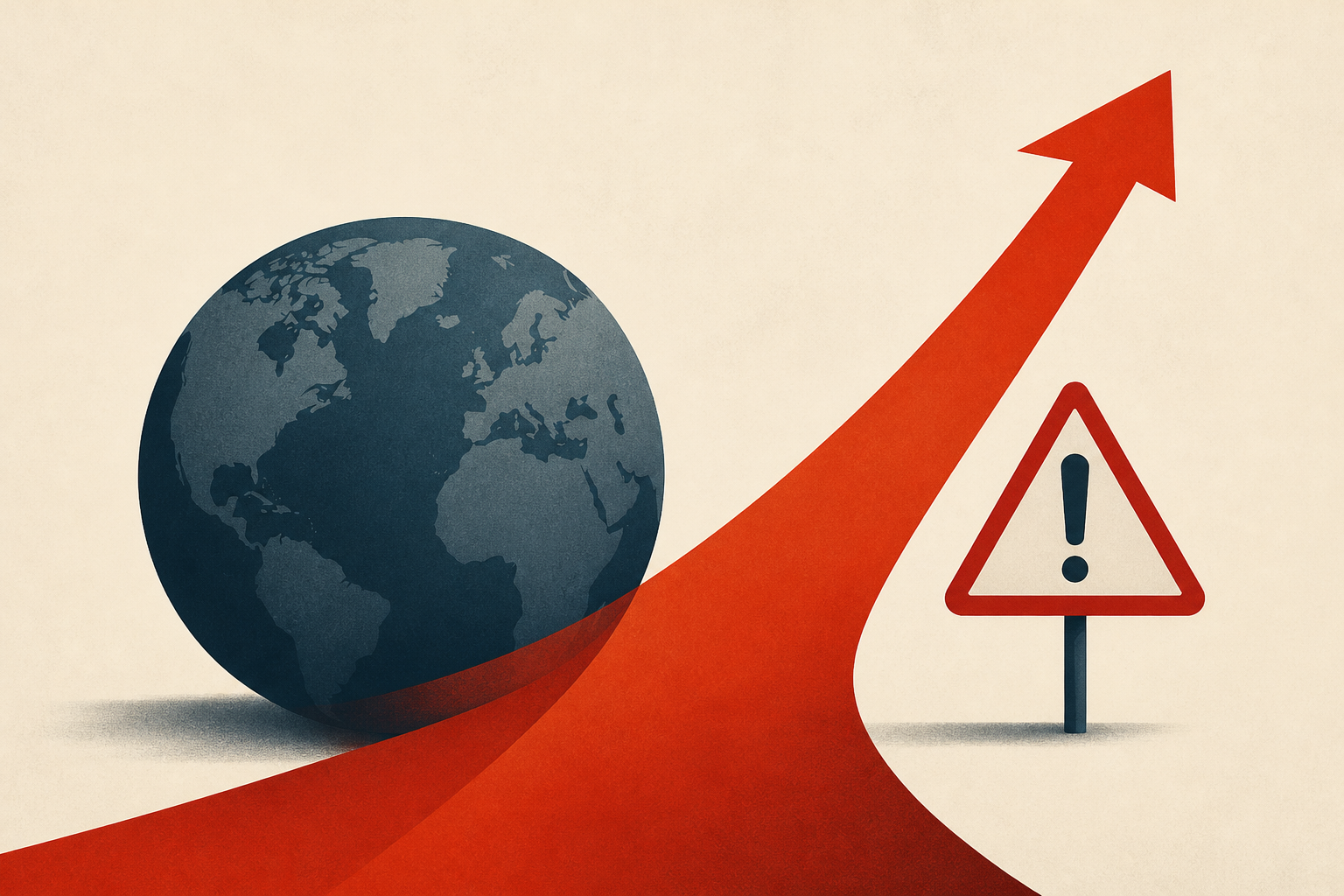
- By the late 20th century, the assumed link between economic growth, social progress, and democracy began to unravel globally, suggesting that the "Brazilianization" of the world—characterized by persistent inequality and exploitation—might be the emerging norm rather than an exception.
- Brazilian thinkers argue that the periphery, exemplified by Brazil's unique social and economic dynamics, is not just a lagging zone but a precursor to the future global condition, where exploitation and social disintegration become dominant forces.


