AI Image
Scientists May Have Discovered Why Men's Prostates Enlarge With Age
ScienceAlert • • health
Key Points:
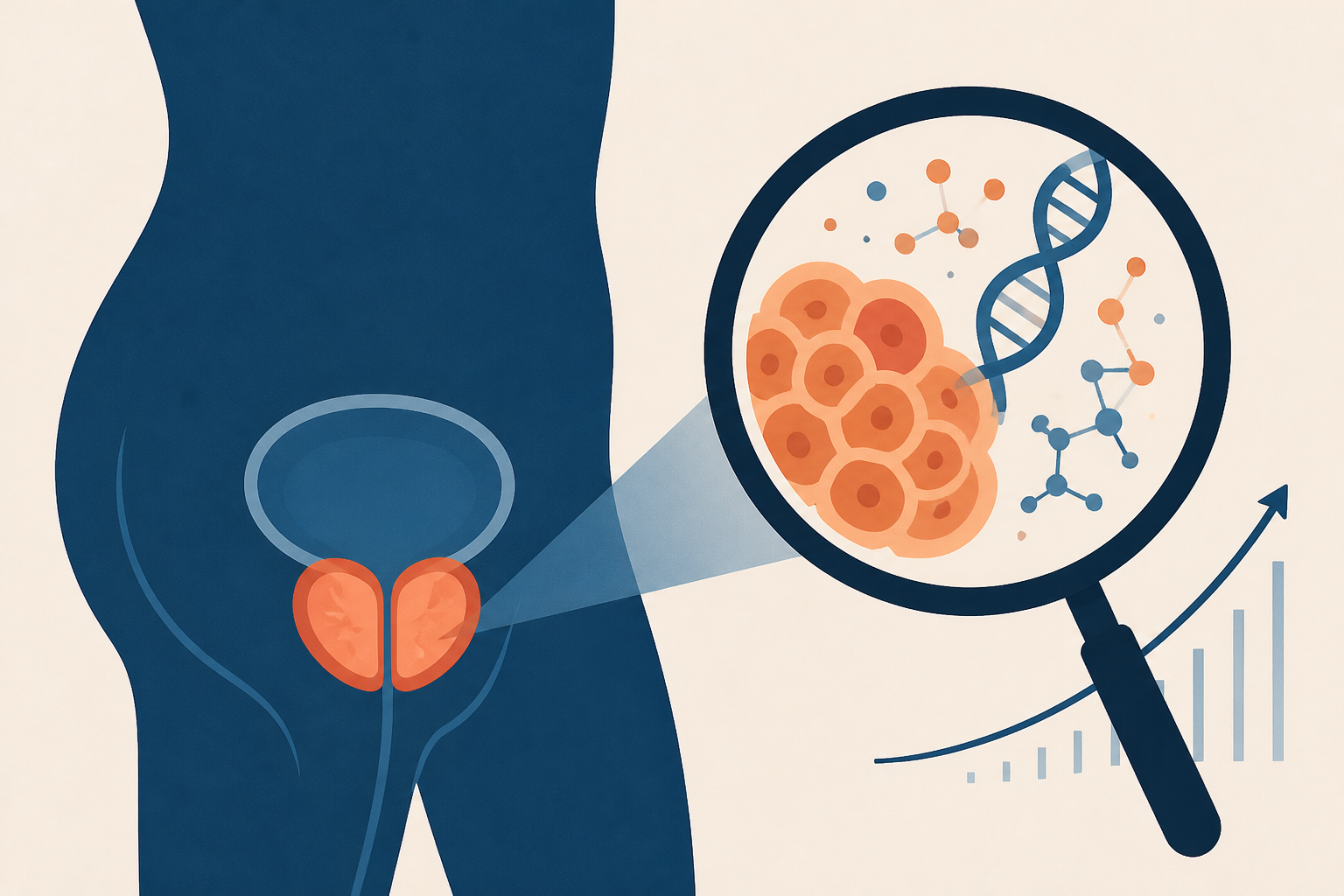
- Researchers at Johns Hopkins University have identified a distinct subtype of basal cells, called WIF1+ cells, that are abundant in the transition zone of the prostate and may contribute to benign prostatic hyperplasia (BPH), a common age-related enlargement of the gland.
- Using single-cell RNA sequencing on prostate tissue samples, the team found that these WIF1+ cells have a unique gene expression profile linked to androgen response and pathways influencing prostate growth and development.
- The study suggests that WIF1+ basal cells may promote epithelial and stromal remodeling in the transition zone, potentially explaining why BPH predominantly occurs there and why prostate cancer is less common in this region.
- Analysis of public datasets supported the enrichment and altered gene signatures of WIF1+ cells in enlarged prostate tissues, indicating their possible role in the regional susceptibility to BPH.
- The researchers propose further investigation into the functional role of WIF1+ basal cells, as they could become promising targets for future BPH treatments.


