Scientists create a material that could forever change cement
Earth.com • • health
Key Points:
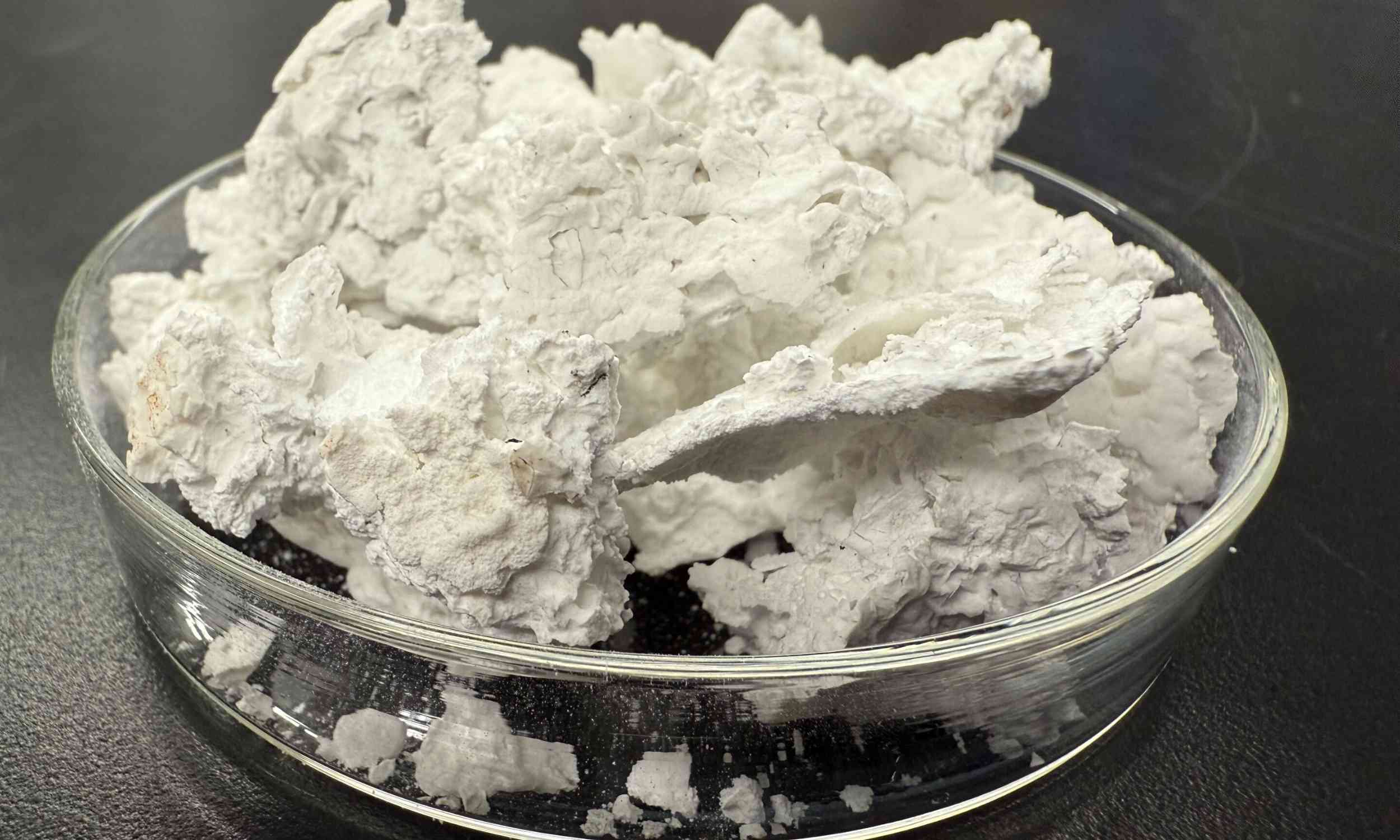
- Researchers have developed a process that converts seawater and carbon dioxide into solid building materials, such as calcium carbonate and magnesium-rich minerals, which can store more carbon than the process emits, potentially making the material carbon-negative.
- The process involves electrically splitting seawater to produce hydroxide ions and reacting them with carbon dioxide to form mineral solids that can serve as aggregates in concrete, potentially reducing the demand for mined sand and gravel.
- The resulting materials can be tailored in size, shape, and porosity to suit different construction needs, and further carbonation treatments enhance their carbon storage capacity and structural strength.
- This method is designed to operate in modular reactors near coastal areas, allowing controlled water treatment and minimizing ecological disruption while enabling on-site carbon sequestration.
- For large-scale adoption, challenges remain including ensuring clean and affordable electricity, managing side reactions like chlorine production, and validating durability through extensive wear testing; the research is published in Advanced Sustainable Systems.


