AI Image
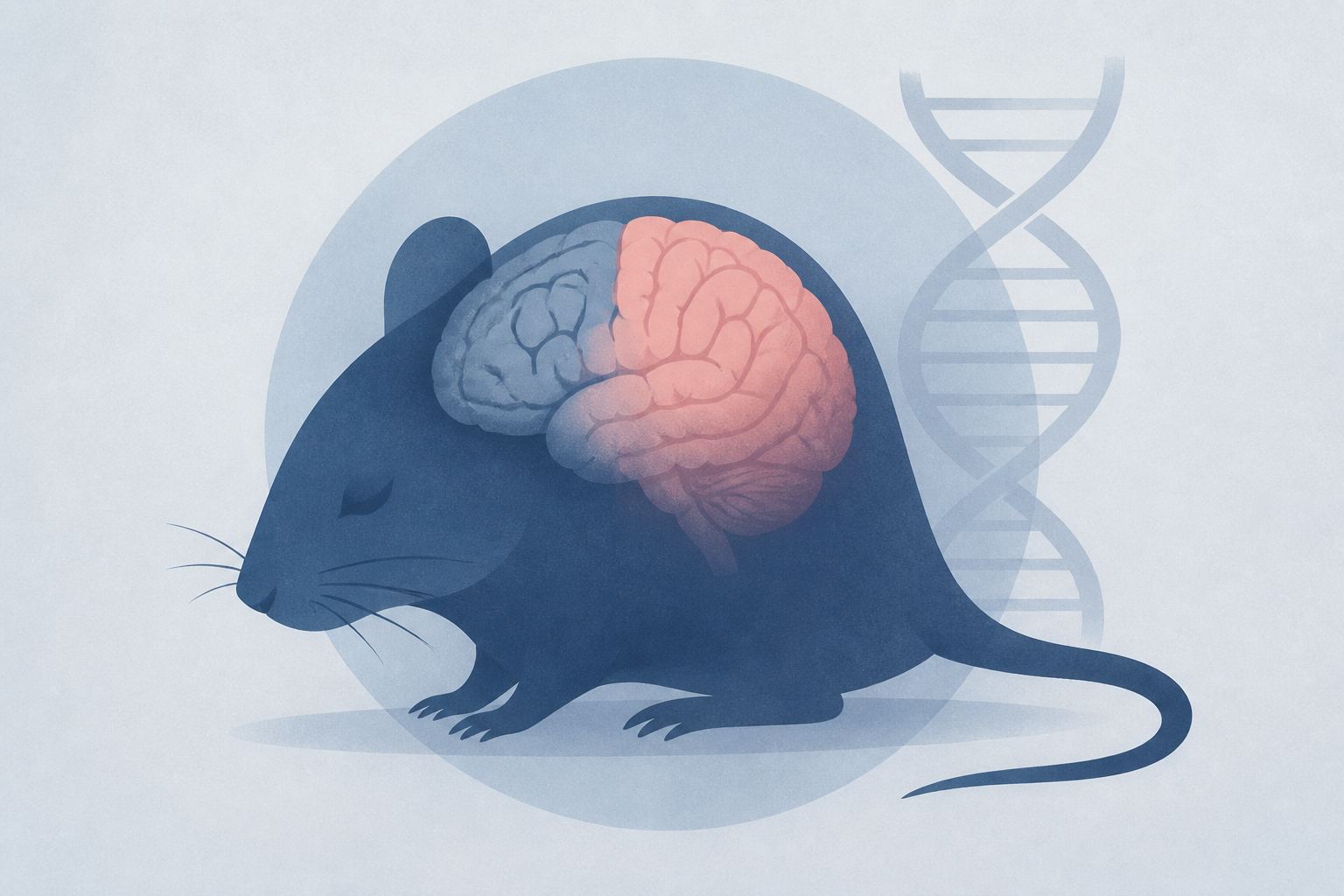
Scientists create living mice with half-human brains
geekspin • • health
Key Points:
- Stanford scientists have successfully grown human brain tissue inside genetically engineered mice, with the tissue comprising up to half of the mouse brain volume, enabling new ways to study neurological disorders such as schizophrenia, epilepsy, and cerebral palsy.
- The implanted human neurons connected to the mice’s blood supply and some mouse brain cells, but remained immature and fetal-like in organization, resulting in no cognitive enhancement but slight improvements in the mice’s gait and memory deficits.
- The model was used to simulate oxygen deprivation conditions linked to cerebral palsy, revealing high vulnerability of the human neurons, and also identified von Economo neurons, which are associated with frontotemporal dementia, a disease now targeted for further study.
- Ethical concerns persist regarding the consciousness and welfare of animals carrying human brain tissue, though the research followed strict ethical guidelines and donor consent; ongoing oversight is emphasized by bioethicists to address these issues.
- The study highlights a debate in neuroscience between in vivo models that provide biological context and critics favoring lab-based tissue cultures to avoid ethical complexities and better mimic natural human brain development.


