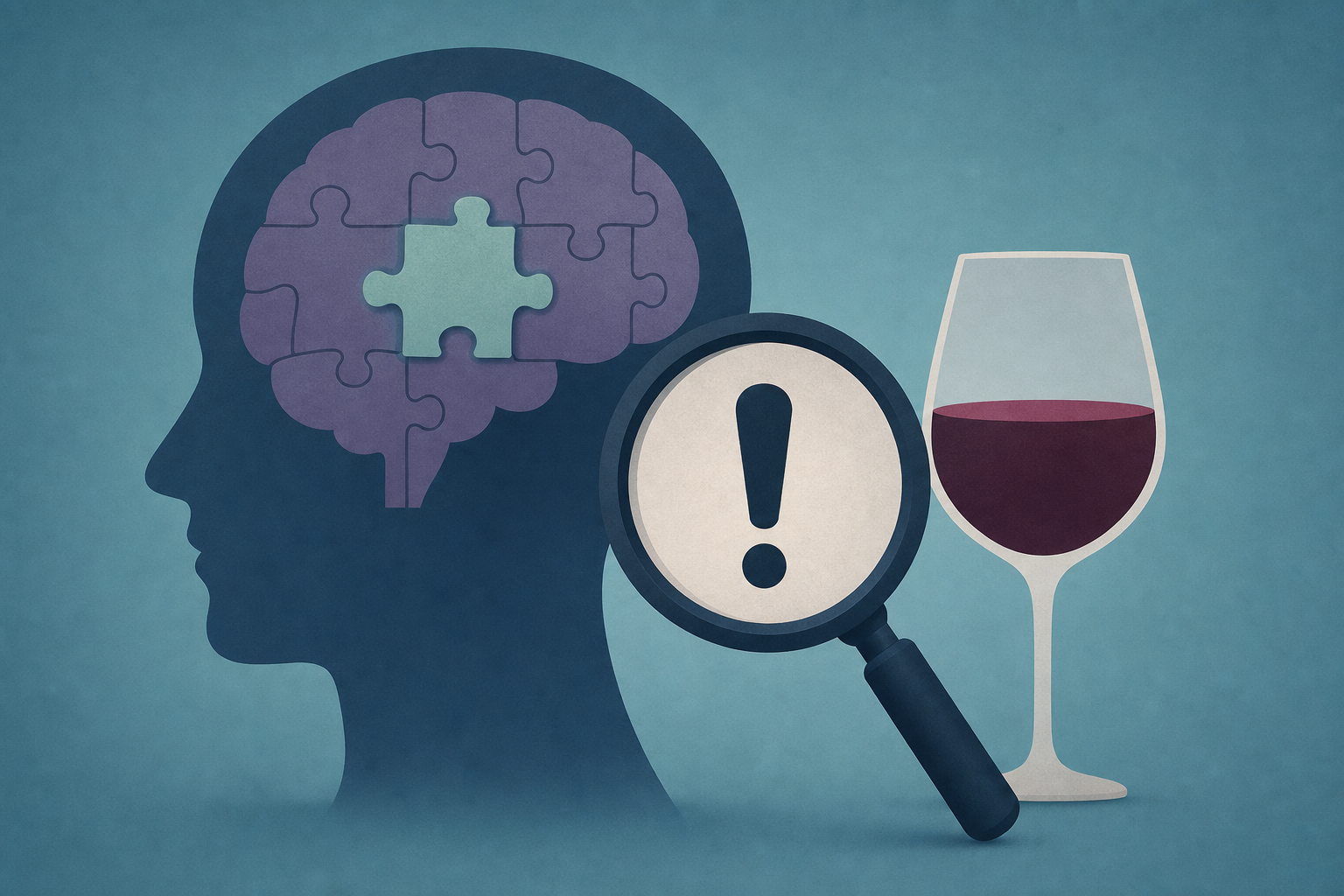
AI Generated Image
Scientists Expected One Result From Alcohol and Alzheimer’s-They Found Another
Newsweek • • health
Key Points:
- New research from Texas A&M University reveals that alcohol's impact on the Alzheimer's-damaged brain varies depending on the type of protein pathology present, specifically amyloid-beta plaques versus tau tangles.
- The study found that alcohol decreased communication in brain circuits affected by amyloid-beta pathology but increased communication in those affected by tau pathology, showing opposite effects in different disease contexts.
- These findings challenge the assumption that alcohol uniformly worsens Alzheimer's-related decline, suggesting that its effects are influenced by the specific brain changes already present.
- The research highlights the complexity of Alzheimer's as a heterogeneous disease and implies that personalized medical advice regarding alcohol consumption may be necessary based on individual pathology.
- Experts emphasize the need for integrating these insights into clinical care to better support patients with Alzheimer's who consume alcohol, promoting more tailored and evidence-based treatment strategies.


![[Chronicles] Magistus Ep 4 Teaser & Some Sinful Spoils](https://media-cdn.cashwalklabs.io/https%3A%2F%2Fs3.us-west-2.amazonaws.com%2Fimages.cashwalklabs.io%2F0_admin%2Fnews-ai-images%2F019f4cfe-936d-770d-ab50-118d6474407a.webp?format=webp&w=120&h=80)


