AI Image
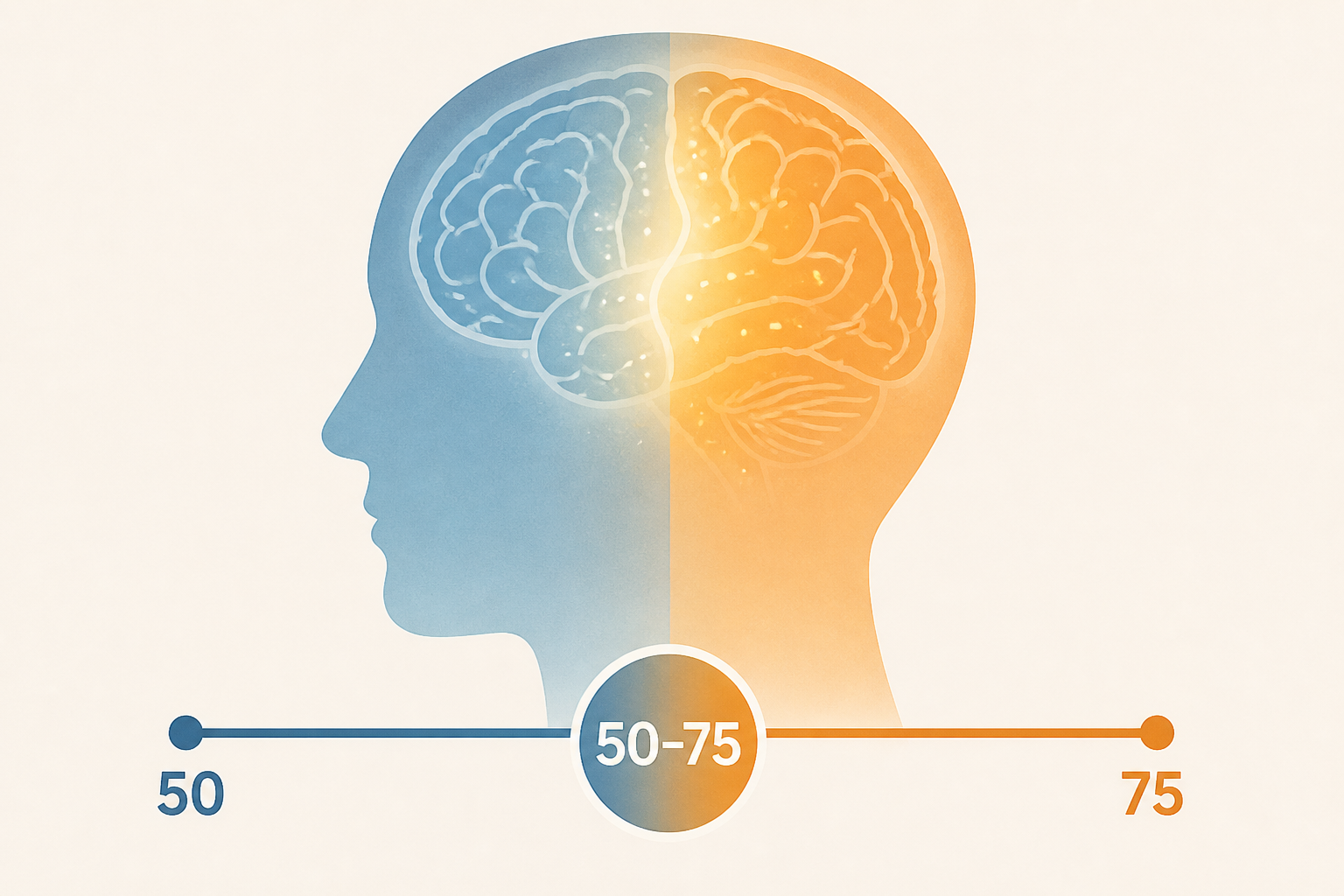
Scientists found the human brain undergoes a major biological shift between ages 50 and 75
Yahoo • • health
Key Points:
- A new study published in Science reveals that the human hippocampus undergoes significant biological changes during midlife and later adulthood, particularly between ages 50 and 75, involving immune cells, support cells, and DNA organization.
- Researchers used single-nucleus techniques to analyze individual cell types, discovering that brain aging is not uniform; notably, the brain's immune microglia cells shift from embryonic-origin to blood monocyte-like cells in midlife, which may influence neurodegenerative disease risk.
- Age-related declines were also observed in hippocampal astrocytes and the three-dimensional genome architecture, suggesting that aging affects both gene activity and the physical organization controlling genes in brain cells.
- The study provides a detailed map of brain aging biology but does not establish causation for Alzheimer's disease, nor does it determine whether observed changes are harmful or adaptive.
- Understanding these distinct biological transitions could improve timing and targeting of treatments for age-related brain diseases, emphasizing the importance of identifying when normal aging diverges from disease processes.


