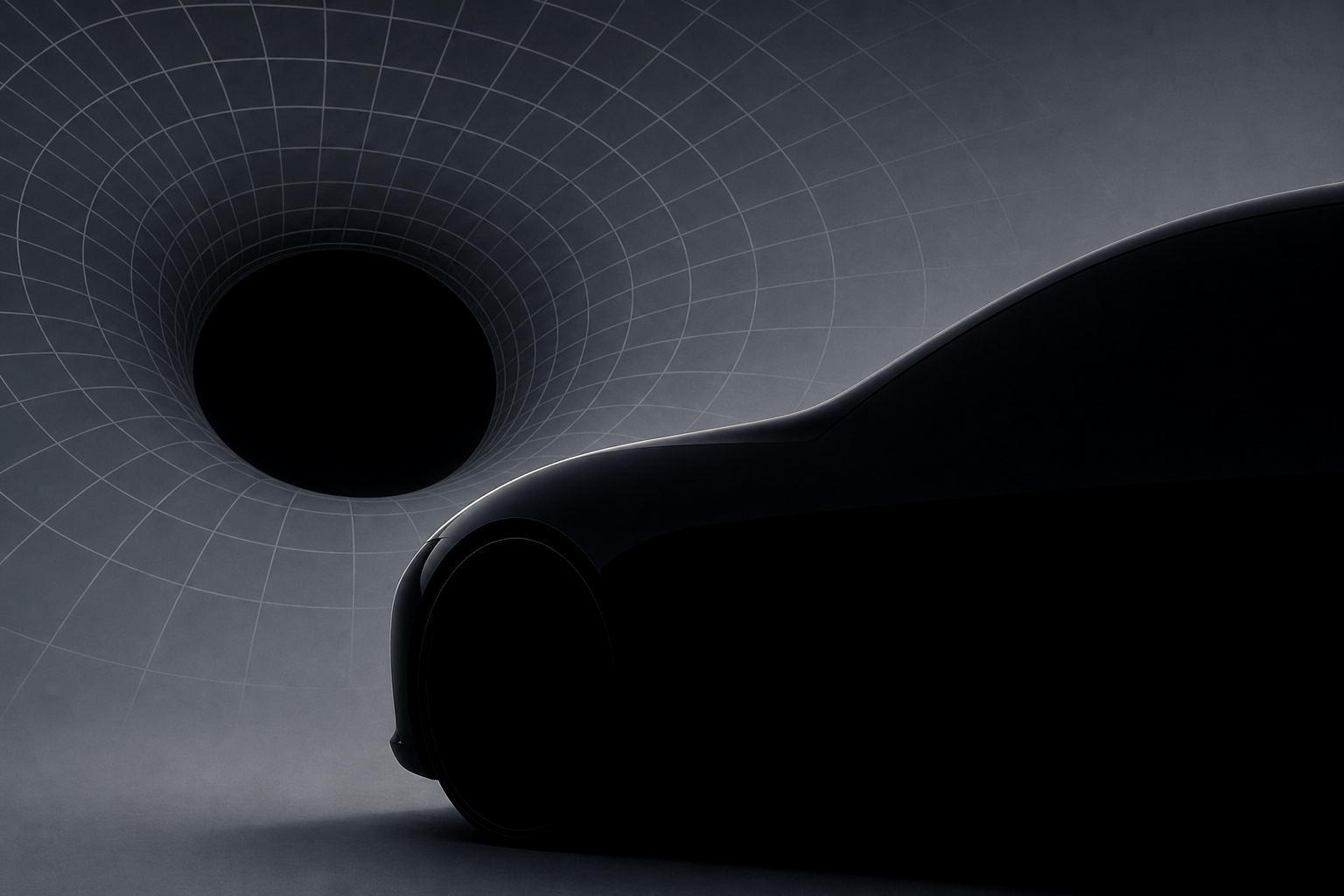
AI Generated Image
Scientists Made a Car Paint So Black It Looks Like a Hole in Reality
Gizmodo • • technology
Key Points:
- Nipsea Group in Singapore has developed a new ultra-black automotive coating inspired by Vantablack, capable of absorbing 99.9% of visible light and designed to meet China's growing demand for deep-black luxury vehicles.
- The coating combines carbon black and carbon nanotubes, creating a unique light-trapping structure that offers superior light absorption and blackness compared to conventional carbon black paints, with reflectance around 0.08%.
- Unlike Vantablack, which struggled with adhesion and durability, Nipsea's composite demonstrated notable stability under heat, humidity, and water resistance tests, passing standard adhesion assessments.
- To address safety and aesthetic concerns—since ultra-black paints can obscure design details—the researchers applied a glossy overcoat to maintain a three-dimensional appearance on vehicles.
- While promising, the team acknowledges that further improvements in processing carbon-nanotube-based materials are needed before the coating can be commercially applied to luxury cars.


