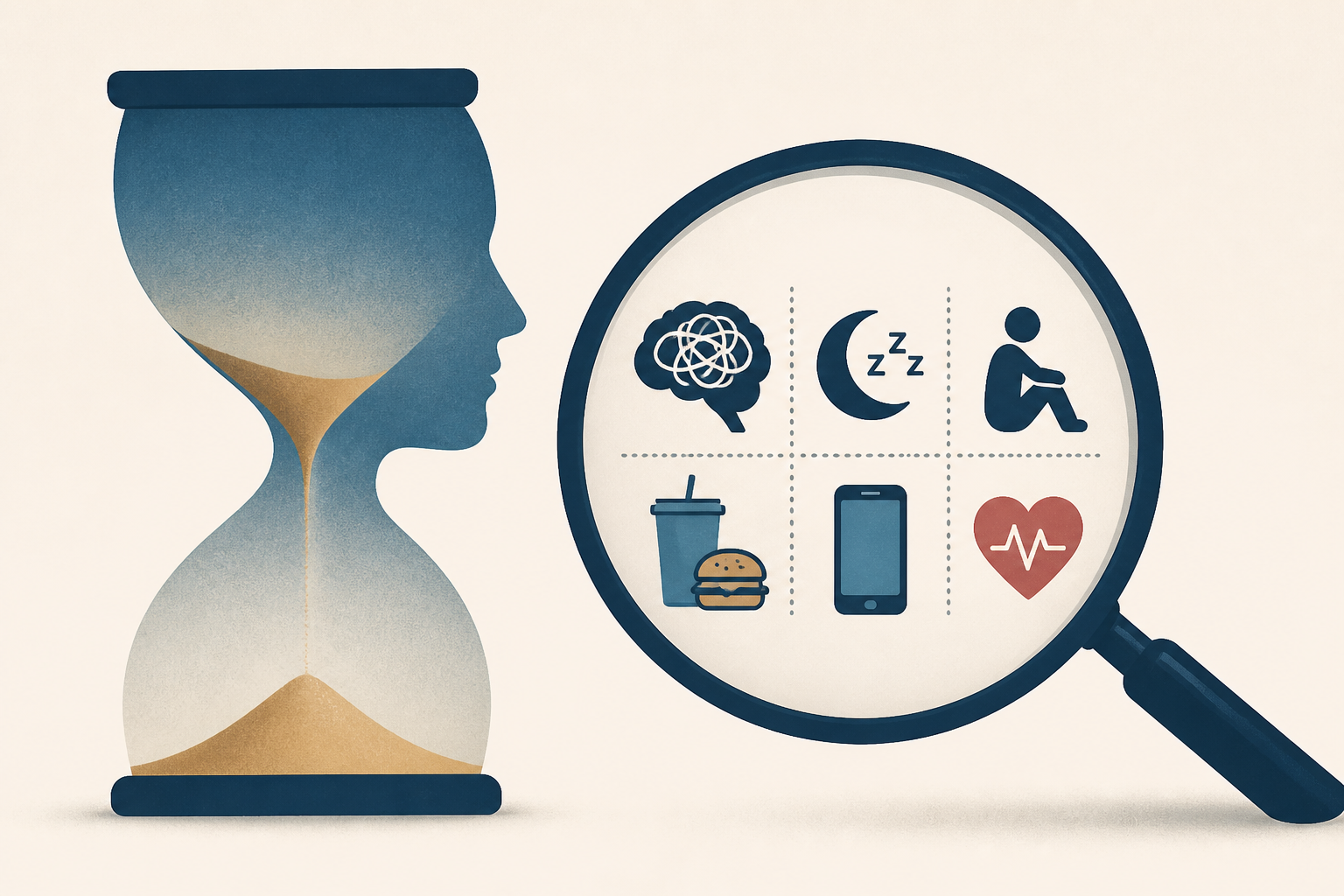
AI Generated Image
Scientists Say These Factors are What Really Age You-and They’re Probably Not What You Think
AOL.com • • health
Key Points:
- A recent study published in Nature Medicine analyzed data from about 500,000 UK Biobank participants, finding that lifestyle and environmental factors have a greater impact on biological aging than genetics, with environment explaining 17% of variation in death risk versus less than 2% by genetics.
- Key environmental factors influencing aging include household income, socioeconomic status, home ownership, employment status, and living with a partner, while major lifestyle contributors are smoking, physical activity levels, sleep duration, and regular gym attendance.
- Although genetics still play a role in certain diseases like dementia, breast cancer, and ovarian cancer, lifestyle and environmental influences are more significant overall, highlighting the potential for individuals to control aging through healthy habits.
- The study did not assess diet due to data limitations, but experts emphasize that diet likely remains important for aging and mortality, alongside other lifestyle factors such as avoiding smoking, limiting alcohol, maintaining a healthy weight, and managing stress.
- While research on reversing biological aging continues, adopting positive lifestyle changes like getting sufficient sleep, exercising regularly, using sunscreen, and maintaining good oral hygiene can help slow cellular aging and reduce disease risk.


