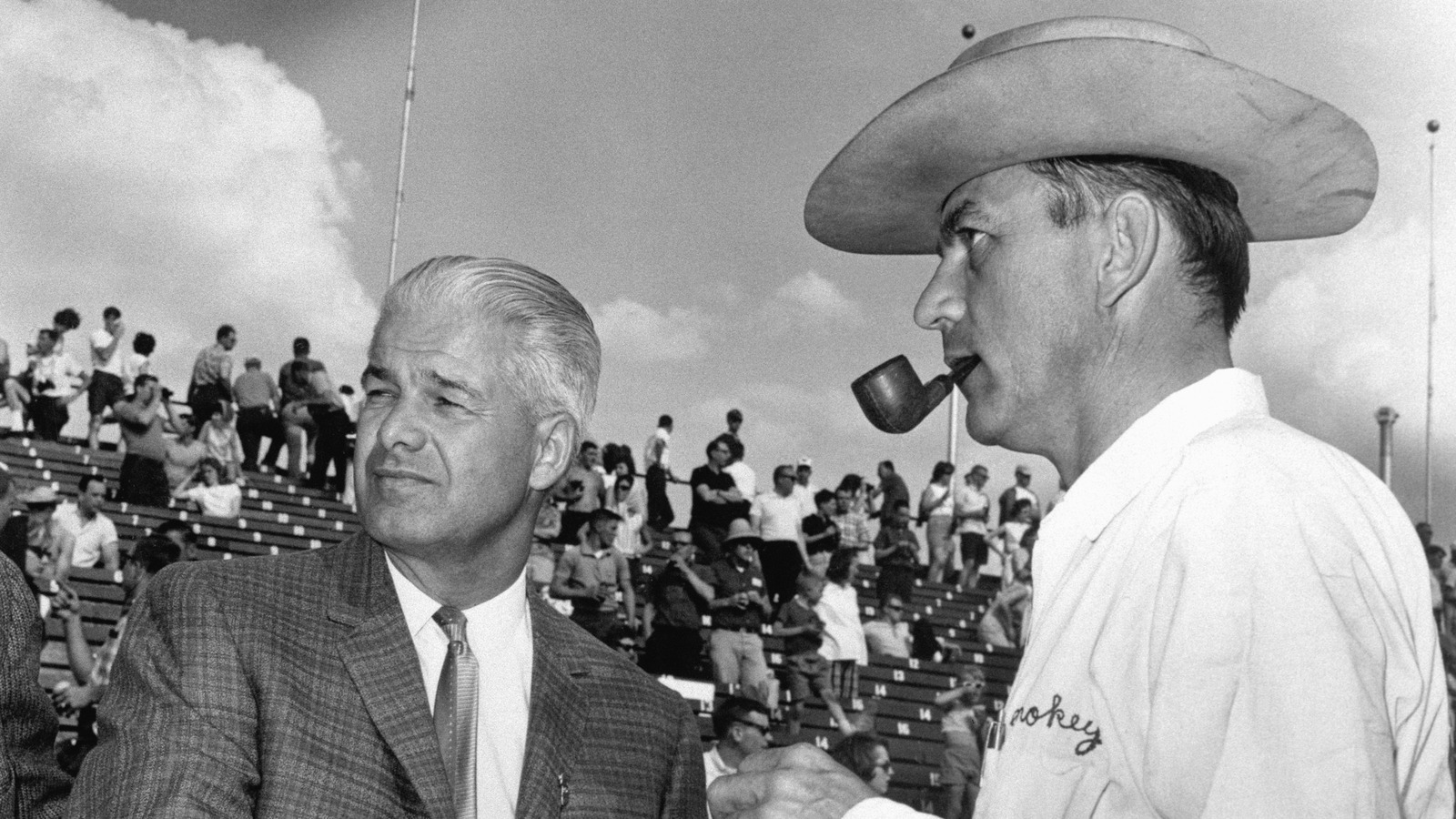
Smokey Yunick's Hot Vapor Engine Was Equally Genius And Horribly Unsafe
Jalopnik • • technology
Key Points:
- Henry "Smokey" Yunick, a legendary NASCAR figure from the 1960s, developed a Hot Vapor engine in the mid-1980s that aimed to improve fuel efficiency by vaporizing gasoline compounds through elevated air temperatures exceeding 400°F before combustion.
- Unlike conventional engines that cool intake air, Yunick's design used engine heat to fully vaporize fuel mixtures, enhancing power output and efficiency, but the engine operated on a delicate balance prone to detonation and fire risks.
- The Hot Vapor engine included a homogenizer to thoroughly mix fuel and oxygen, and utilized heat from cooling and exhaust systems to maintain vaporization, though many tuning details remain undisclosed after Yunick's passing.
- Testing on a Pontiac Fiero showed the engine could more than double horsepower and torque while improving fuel economy by 16 mpg, enabling impressive acceleration, but durability and safety concerns prevented widespread adoption.
- Despite its innovative approach, the Hot Vapor engine was ultimately sidelined due to reliability issues, though modern research continues exploring similar concepts to reduce fuel waste and harness exhaust heat for energy.


