AI Image
Some topics are off limits inside popular Chinese-made free AI, researchers find
CBS News • • business
Key Points:
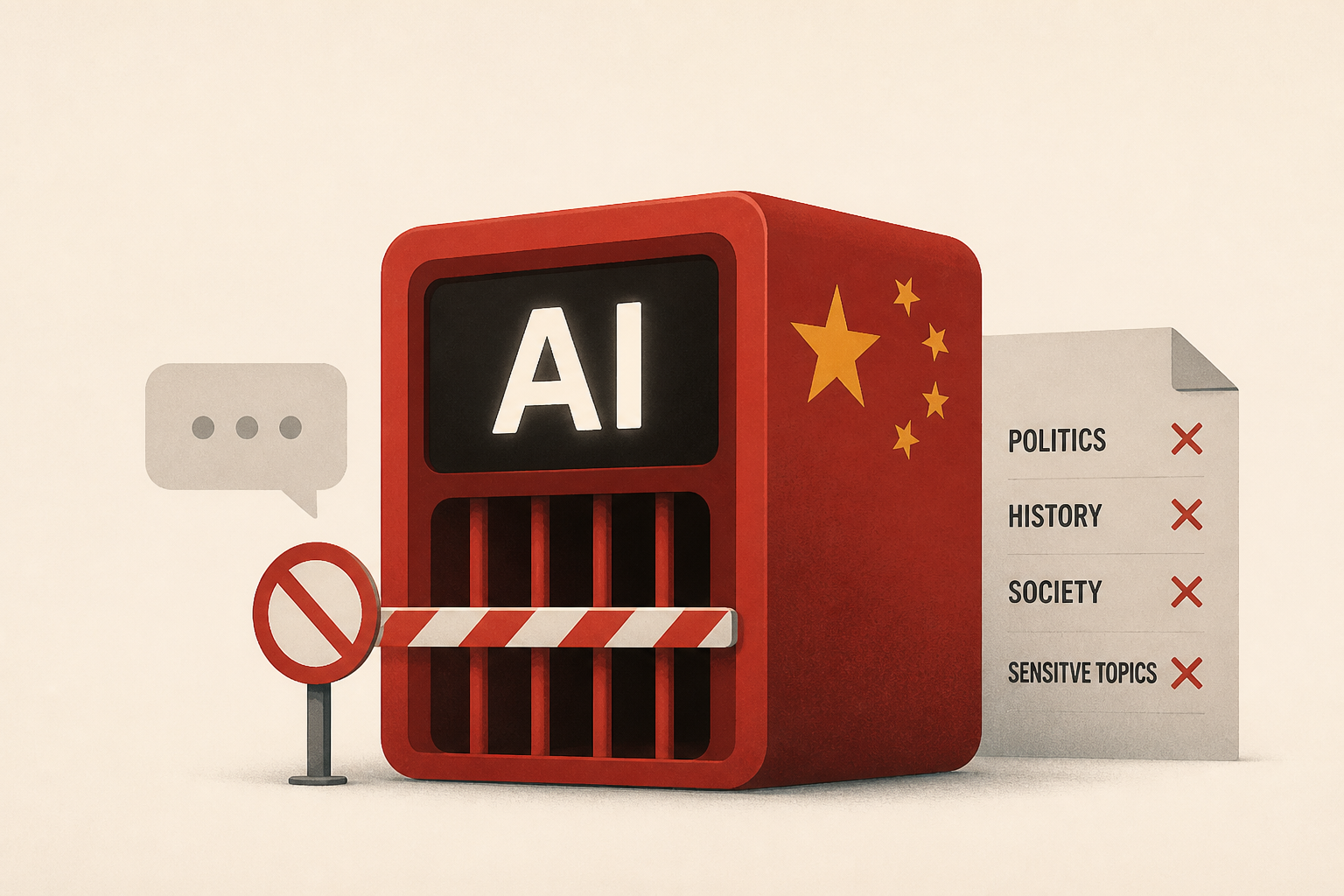
- The AI model Qwen, developed by Chinese conglomerate Alibaba and downloaded over 3 billion times, contains embedded China-friendly narratives and censorship, omitting or distorting topics like the Tiananmen Square massacre, Hong Kong protests, and Uyghur forced labor camps.
- Israeli cybersecurity startup Hirundo discovered Qwen's biases and developed a method to "Westernize" the model by editing its underlying neural weights, reducing political bias from 89.8% to 2.8% while preserving its core functionalities.
- Despite evidence of censorship and bias, U.S. companies such as Airbnb and Uber have adopted Qwen due to its free availability and cost advantages over Western AI models, raising concerns about spreading Chinese government propaganda internationally.
- Security firms CrowdStrike and Booz Allen have warned that Chinese AI models, including Qwen, produce code with significantly more security vulnerabilities when tasked with U.S. government-related projects, recommending a ban on their use.
- The growing global adoption of Chinese open-weight AI models, which now account for over 45% of usage, highlights the urgent need to address embedded biases and security risks to ensure safe deployment in Western enterprises.


