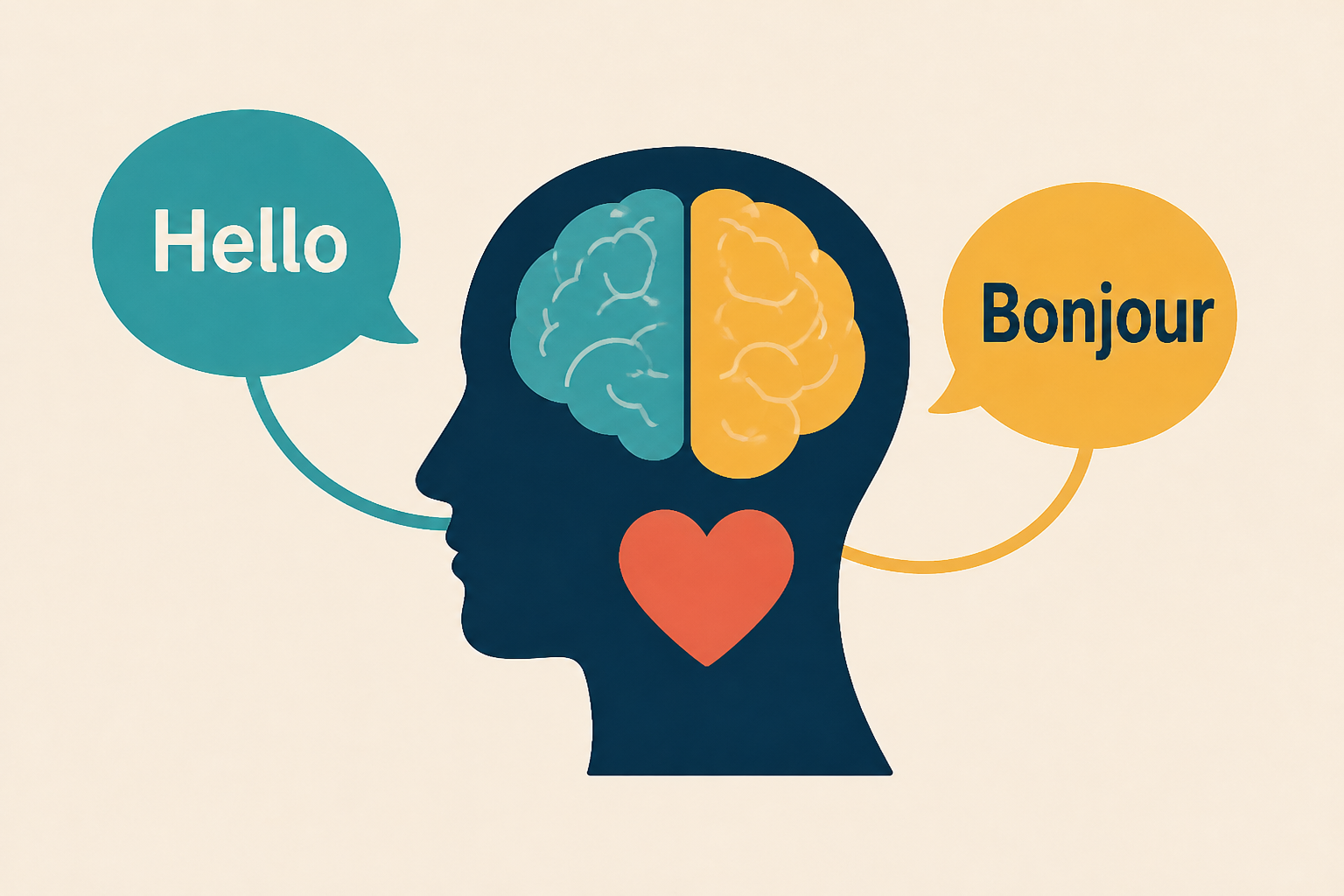
AI Image
Speaking more than one language isn't just about keeping your mind sharp
PsyPost • • health
Key Points:
- New research suggests that speaking multiple languages may be linked to slower biological aging, with multilingual individuals showing better mental sharpness and physical health compared to monolinguals.
- The study analyzed data from over 86,000 adults across 27 European countries, finding that knowing even one additional language correlated with a noticeable protective effect against accelerated aging.
- The strongest benefits were observed in adults in their late 70s and 80s, a period typically marked by declines in memory, movement, and daily functioning.
- This association remained significant even after controlling for factors like national wealth, air quality, political stability, and social conditions, indicating a unique advantage tied to multilingualism itself.
- While the findings highlight a population-level link between language use and healthy aging, the study does not establish a direct causal relationship or explore underlying brain mechanisms in detail.


