AI Image
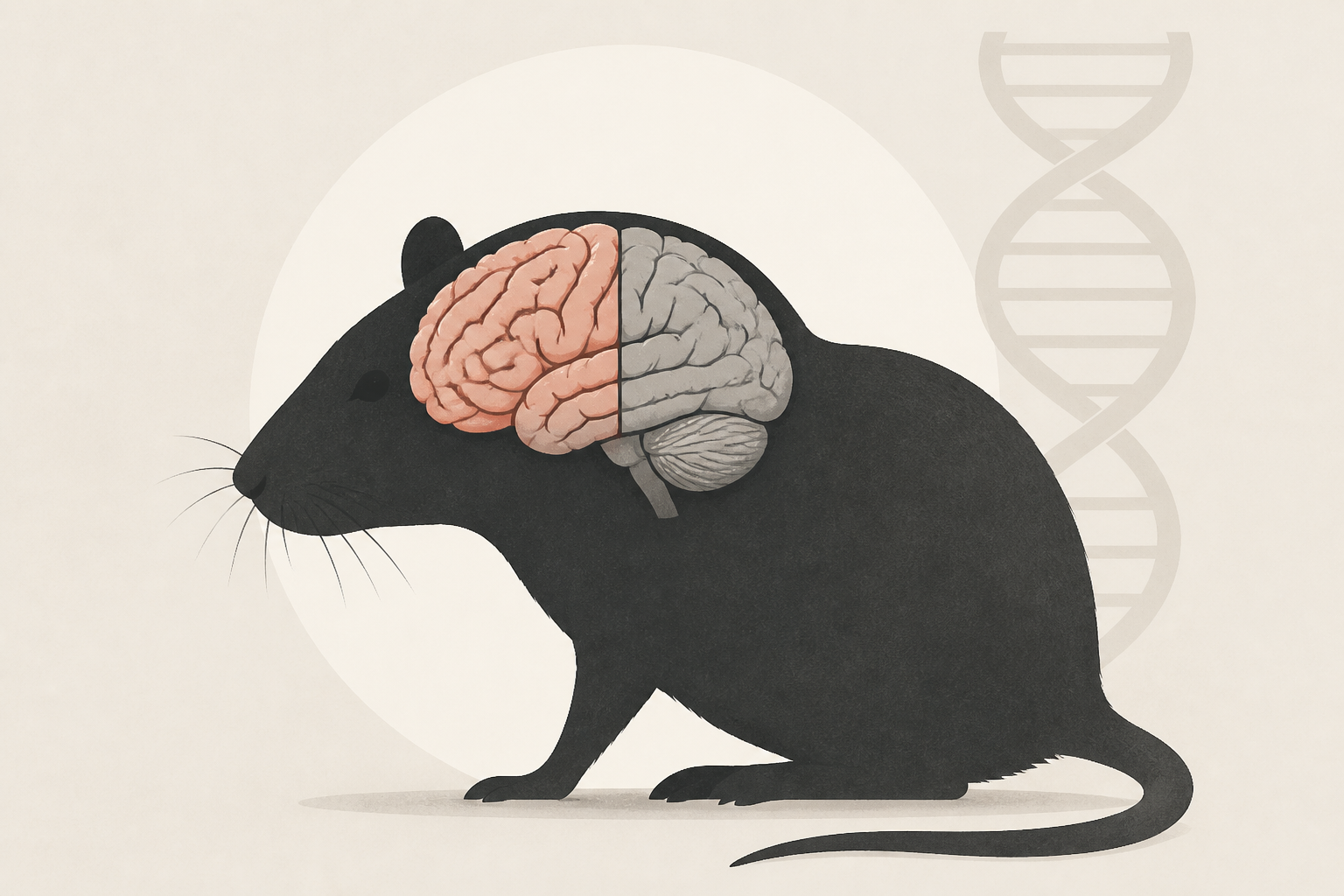
Stanford geniuses create lab rats with half-human brains
New York Post • • health
Key Points:
- Stanford University scientists successfully transplanted lab-grown human cortical organoids into mice bred with missing cerebral cortex, enabling new research into brain disorders.
- The transplanted human brain tissue thrived, forming functional connections within the mouse nervous system and restoring missing brain regions.
- The organoids, derived from human skin cells transformed into stem cells, replicate cerebral cortex circuitry and allow study of human neural development otherwise inaccessible.
- Researchers aim to investigate genetic impacts on disorders like autism, schizophrenia, cerebral palsy, and epilepsy, and to test potential treatments using these “xenocortical” mice.
- Experts highlight this breakthrough as a critical step toward precision medicine and understanding neurodevelopmental disorders, overcoming ethical challenges of studying living human brain tissue.


![Asus Googlebook shows off a big trackpad and plenty of ports in leaked images [Gallery]](https://media-cdn.cashwalklabs.io/https%3A%2F%2Fs3.us-west-2.amazonaws.com%2Fimages.cashwalklabs.io%2F0_admin%2Fnews-ai-images%2F01a0b68d-ee3d-710b-bfc1-fecb6ceac47e.webp?format=webp&w=120&h=80)


