AI Image
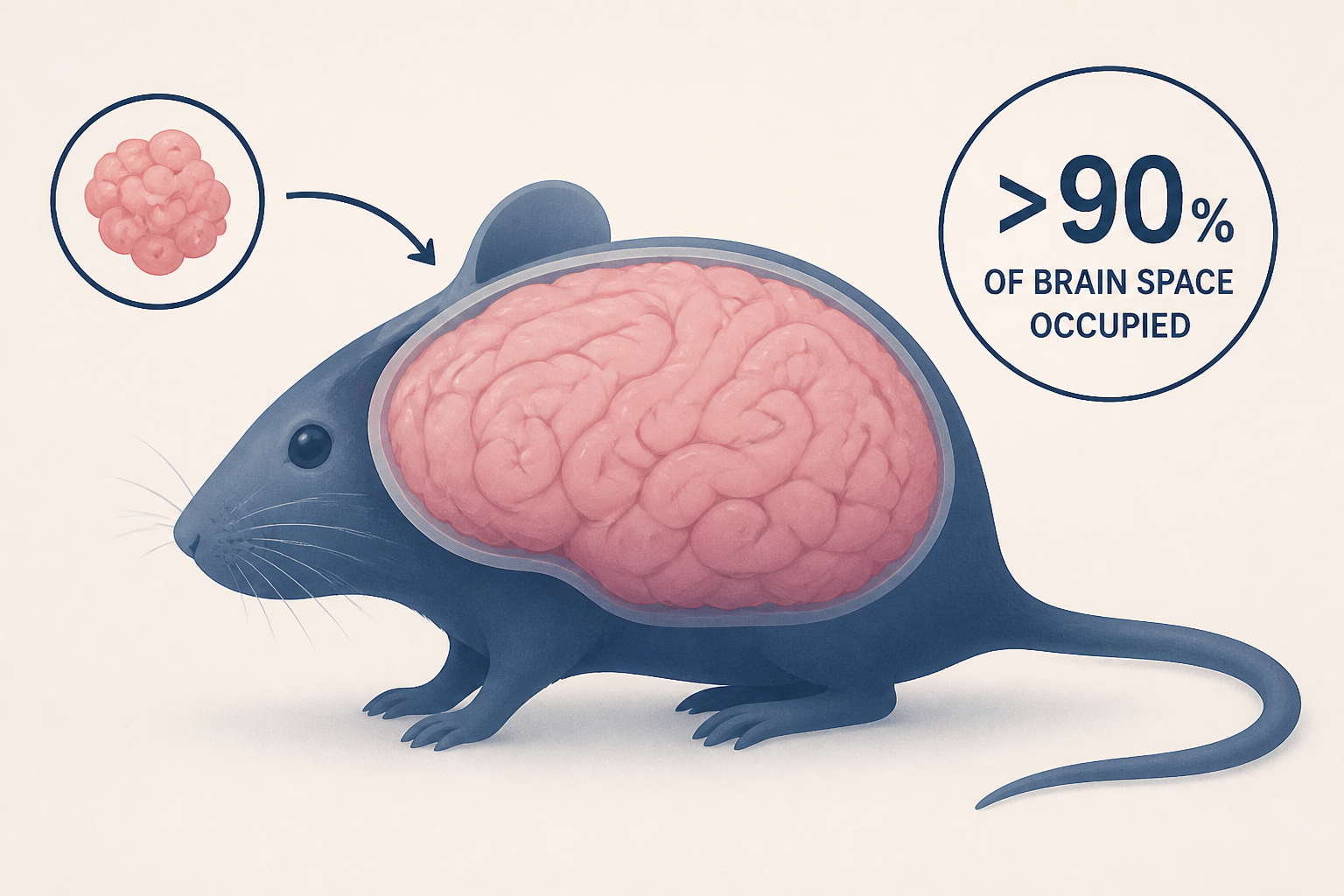
Stanford scientists transplanted human brain tissue into mice missing most of their cortex; within months, it grew to occupy more than 90% of the space
The Times of India • • health
Key Points:
- Stanford scientists have developed a novel model for studying human brain development by transplanting lab-grown human cortical organoids into genetically engineered mice lacking most of their cerebral cortex, allowing the human tissue to occupy over 90% of the cortical space and integrate with the mouse brain and spinal cord.
- This breakthrough enables observation of human neuron maturation, interaction, and response to injury within a living animal, providing new opportunities to research neurological conditions such as autism, epilepsy, schizophrenia, and cerebral palsy.
- The model allows for the use of patient-specific cells, facilitating the study of disease-associated changes in human brain circuitry and testing potential therapies, demonstrated by experiments showing human tissue vulnerability to oxygen deprivation linked to cerebral palsy symptoms.
- Rare von Economo neurons, implicated in social awareness and neurodegenerative diseases, emerged naturally in the transplanted human tissue, offering a unique platform to study these cells in vivo and develop treatments for related disorders.
- Ethical considerations have been addressed through extensive consultation, emphasizing that the model aims to advance understanding of human brain disorders without creating animals with human-like consciousness, with Stanford holding patents to enable further research by other laboratories.


