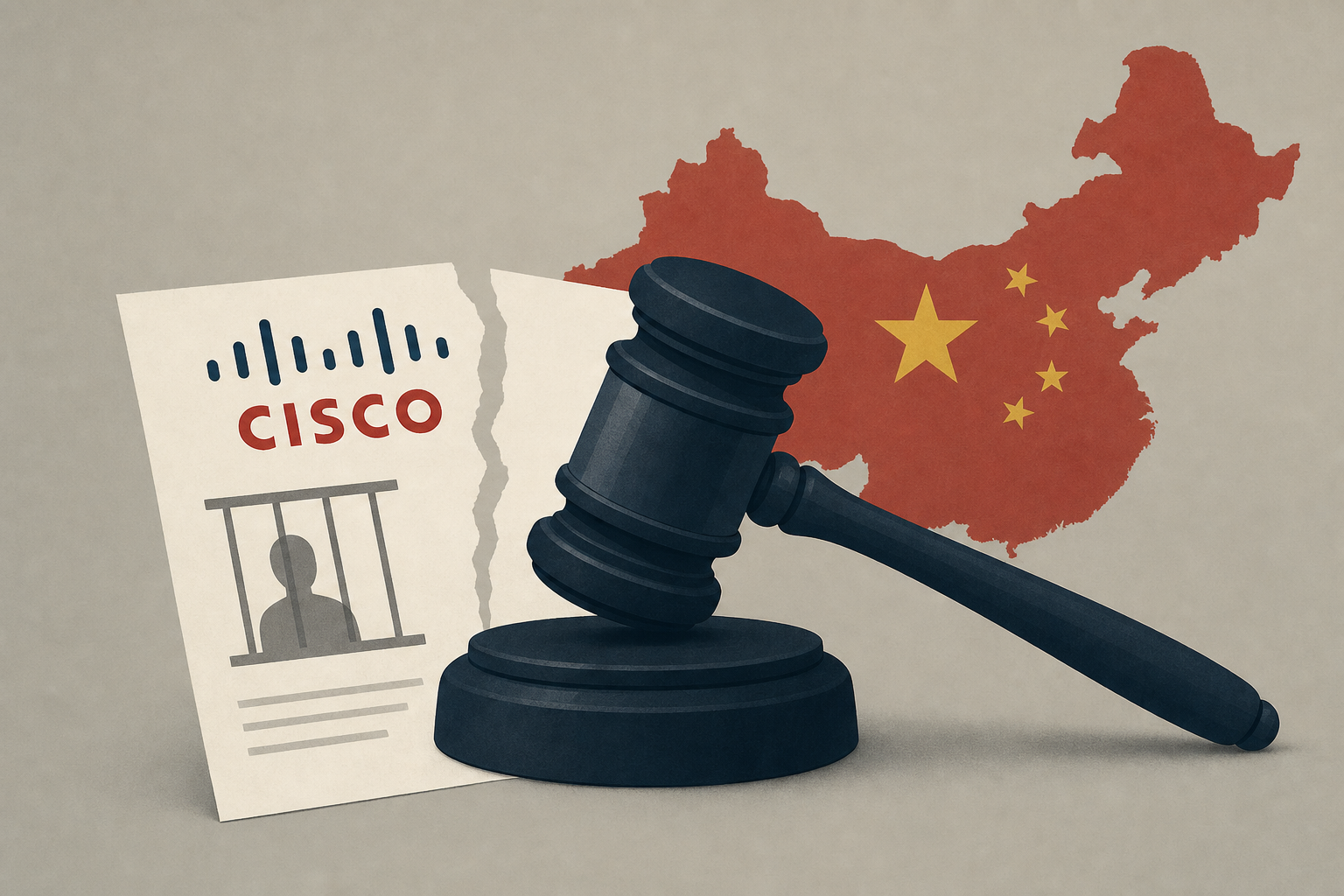
AI Generated Image
Supreme Court kills suit claiming Cisco helped China persecute dissidents
AP News • • nation
Key Points:
- The U.S. Supreme Court ruled in favor of Cisco, shutting down a lawsuit claiming the company's technology was used to persecute Falun Gong members in China, stating American courts are not the proper venue for such cases.
- The court rejected the plaintiffs' attempts to proceed under the Alien Tort Statute (ATS) and the Torture Victim Protection Act (TVPA), limiting the scope for human-rights claims against corporations in U.S. courts for foreign acts.
- Justice Amy Coney Barrett's majority opinion emphasized closing the door on ATS claims related to foreign human-rights abuses, while Justice Sonia Sotomayor dissented, warning this decision restricts future international law redress.
- The lawsuit stemmed from allegations that Cisco knowingly provided technology to the Chinese government used to track, detain, and torture Falun Gong practitioners, supported by leaked documents showing Cisco's role in China's surveillance state.
- The decision reflects ongoing judicial reluctance to hold U.S. companies accountable in domestic courts for complicity in human rights abuses committed abroad, despite evidence of corporate involvement.


