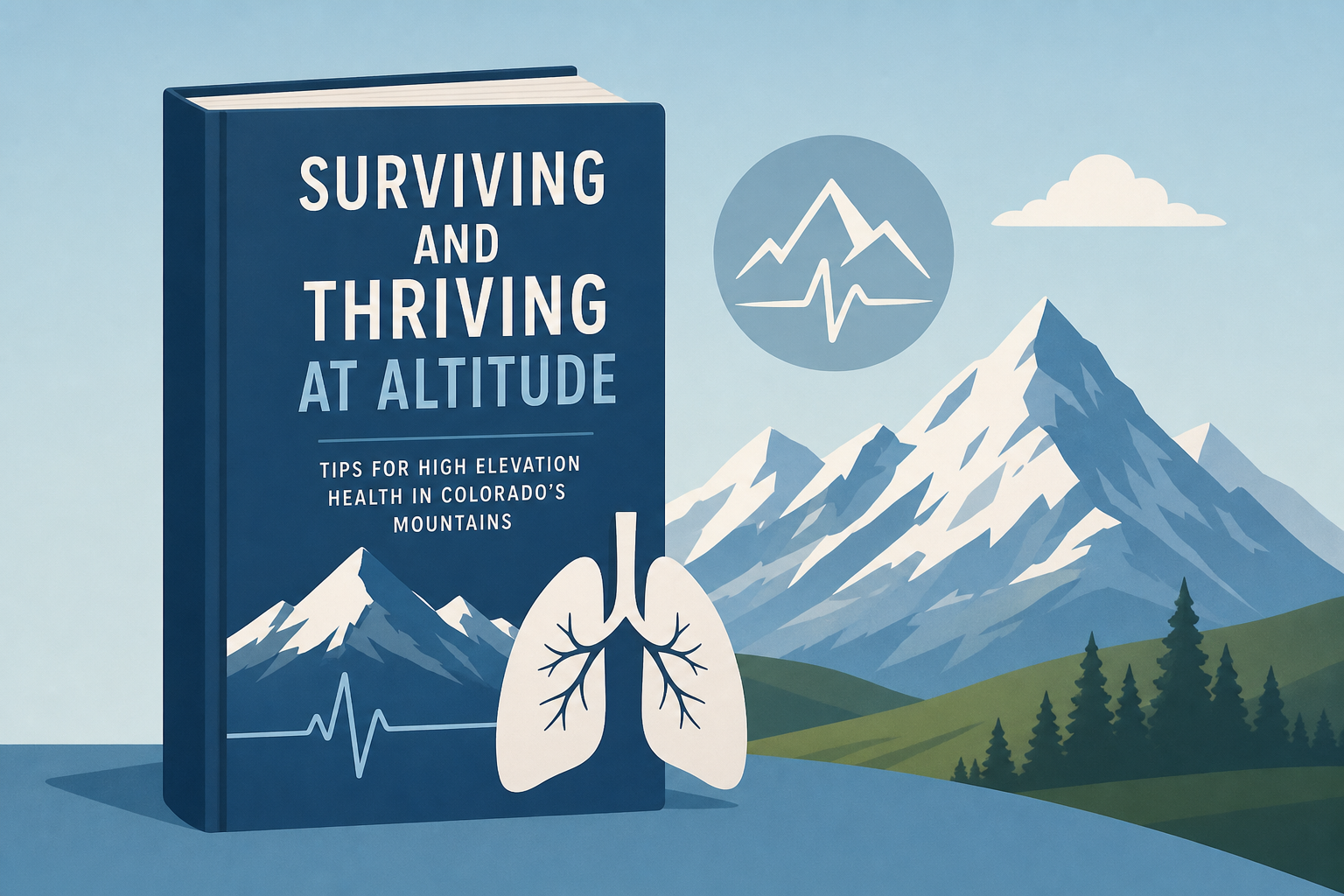
AI Generated Image
‘Surviving and Thriving at Altitude’: Summit doctor publishes book giving tips on high elevation health in Colorado’s mountains
SummitDaily.com • • health
Key Points:
- Dr. Christine Ebert-Santos, a physician practicing above 9,000 feet, highlights that both long-term high-altitude residents and visitors can suffer from high altitude pulmonary edema (HAPE), a potentially fatal condition caused by fluid in the lungs due to low oxygen levels.
- HAPE symptoms include worsening cough, fatigue, and difficulty breathing, and can be triggered or worsened when residents return from lower elevations, especially if they have contracted a viral illness during travel.
- Ebert-Santos co-authored the book "Surviving and Thriving at Altitude," which discusses altitude-related health risks and includes case studies such as that of Louis Devito, who developed severe HAPE after traveling to sea level.
- Treatment for HAPE often involves oxygen therapy, which in some cases can be administered at home to avoid emergency room visits, and awareness of symptoms is crucial for timely intervention.
- While incidents of reentry altitude sickness are relatively rare, travelers to and from high elevations above 9,000 feet should monitor symptoms and use tools like pulse oximeters, especially if they have a history of altitude sickness.


