AI Generated Image
Syria, eyeing role as Middle East hub, offers options to bypass Hormuz
Yahoo • • world
Key Points:
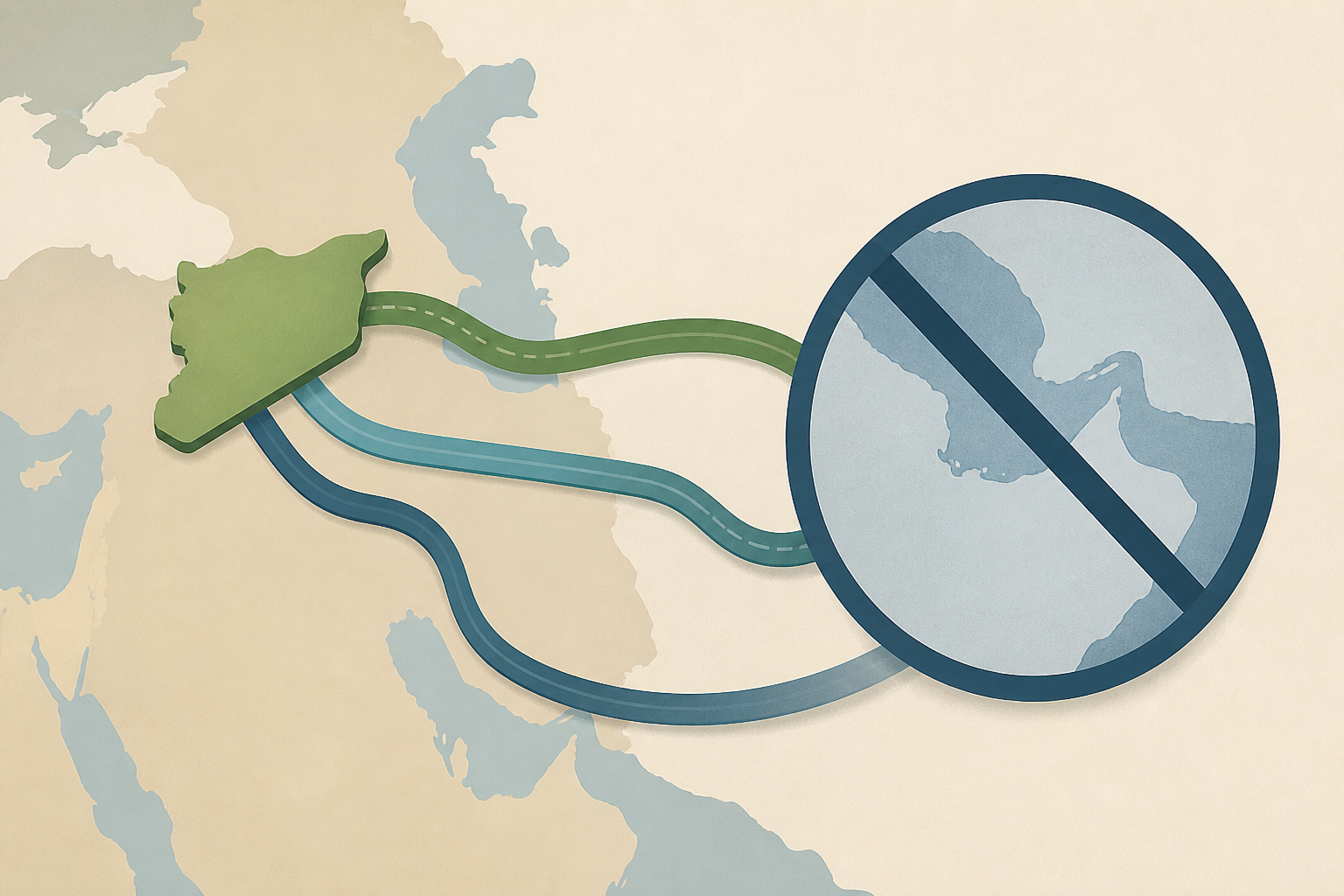
- A convoy of 5,000 trucks transports oil daily from southern Iraq to Syria’s Mediterranean port of Baniyas, serving as an overland alternative to the Strait of Hormuz amid geopolitical tensions and sanctions.
- Syria’s new government under President Ahmed al-Sharaa is promoting the country as a stable transit corridor for energy and goods to Europe, supported by international players including the Trump administration and major oil companies like Chevron.
- A $5.7 billion, 1,000-mile pipeline project led by Chevron aims to transport 2 million barrels of crude oil per day from Iraq to Syria, diversifying export routes but facing security risks from militant groups and Iran-backed militias in western Iraq.
- Beyond oil, Syria plans to rehabilitate regional infrastructure, including an Ottoman-era railway linking Europe with the Red Sea, positioning itself as a key logistics hub despite ongoing challenges from war damage and limited investment.
- While the pipeline and transit projects offer economic opportunities, Syria still struggles with damaged oil fields, inadequate infrastructure, and security threats, highlighting the complexities of rebuilding amid regional instability.


