AI Image
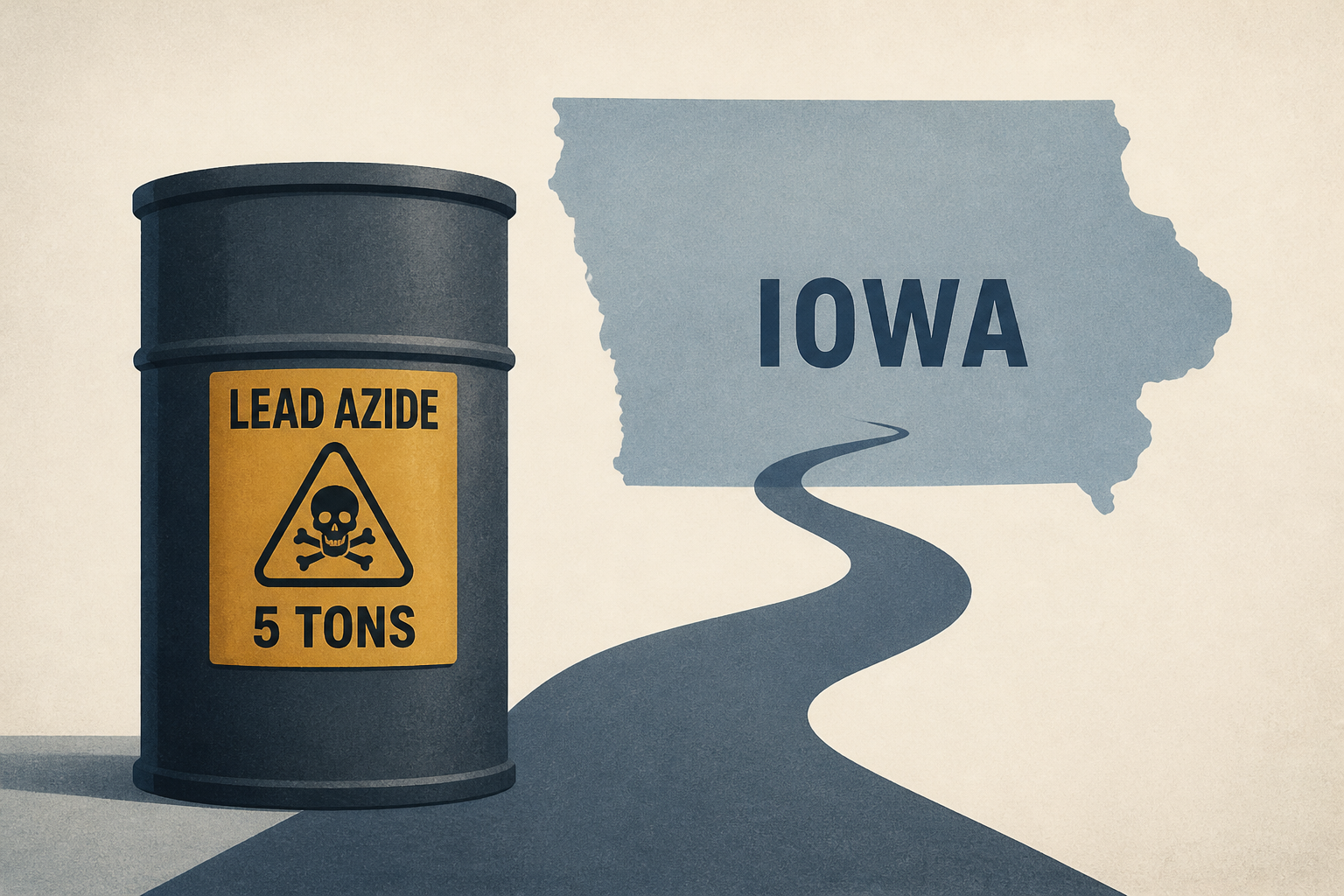
The Army plans to blow up 5 tons of lead azide in Iowa despite outcry and legal challenges. Here’s how we got here
CNN • • nation
Key Points:
- The US Army plans to conduct a controlled detonation of nearly five tons of degraded lead azide explosive at the Iowa Army Ammunition Plant due to safety risks from recrystallization, despite environmental and local community concerns about lead exposure.
- The Army explored alternative neutralization methods but canceled a contract with a chemical treatment firm, concluding that controlled detonation was the only safe option to prevent spontaneous explosions.
- The Environmental Protection Agency issued a permit authorizing the detonation under strict monitoring and cleanup conditions, but environmental groups successfully obtained a temporary court stay to halt the blast.
- The federal government argues that delaying the detonation increases the risk of an uncontrolled explosion, which could pose greater dangers to the public and environment, and plans to proceed with the blast despite the legal challenges.
- The Army postponed the detonation to November 24 and then to November 27 to ensure favorable weather and mitigation measures, emphasizing that public health and safety remain their top priority.


